By: Courtney Iseman, Priscilla Bevel, Nicole Anita
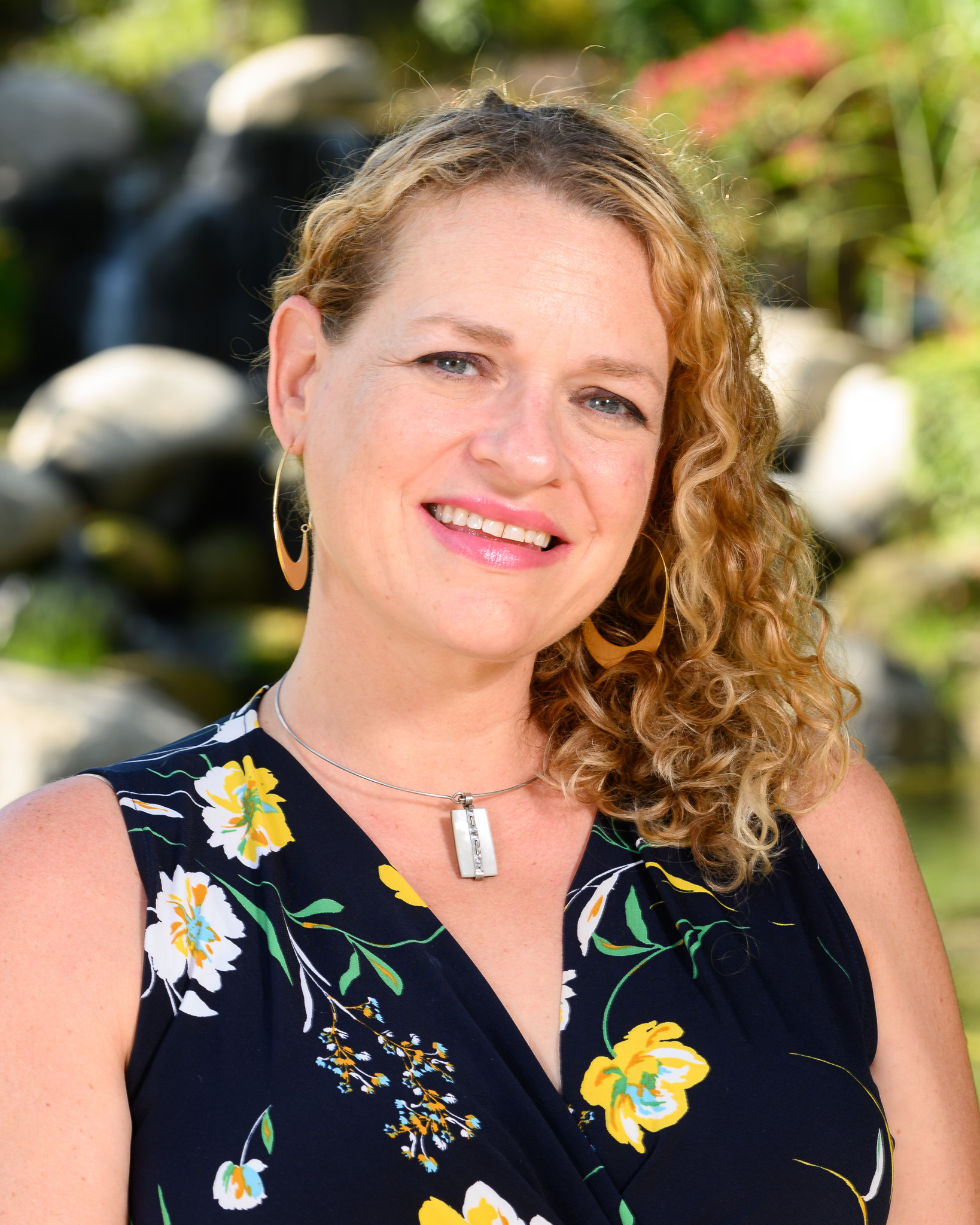
Christina Ceisel, California State University, Fullerton
On Wednesday, November 1st, we interviewed Dr. Ceisel about research methods, specifically her experience with qualitative research. Dr. Ceisel earned a PhD in communications research at the University of Illinois at Urbana–Champaign. She also has a master’s degree in social science and a bachelor’s in media studies. Dr. Ceisel is trained in qualitative research methods using discourse analysis and ethnography. She also does market research and consulting by doing surveys and focus groups.
Read more: An Interview With Dr. Ceisel: A Talk About Qualitative ResearchIn our interview, we asked her specifically about her study titled El Rock Star Perfecto?: Theorizing Juanes and New Directions in Crossover Celebrity. For this study, she focused on the Columbian rockero, Juanes. Her topic was developed while discussing with a colleague the traction and popularity Latin music artists were gaining in the U.S. At the time, artists such as Shakira and Jennifer Lopez were at the top of the charts for music and had the world by storm. Dr. Ceisel was fascinated by how a country like the United States, with its primary language being English, would have such a demand and liking for Latin music. This developed the foundation of her research on Latin music. In Dr. Ceisel’s previous research, she goes to festivals, observes and interviews people, and later interprets her findings into her research. Dr. Ceisel’s approach to studying Juanes uses discourse analysis by reading and taking notes on how news outlets would portray the Columbian singer. She even studied how they talked about him and the market for Spanish and Latin music.
For this specific study, she focused on using qualitative research methods. When collecting information, she mentioned how instead of picking out specific terms, she took notes across all the articles she gathered, noting specific descriptions of Juanes’s work and performances. She focused on identifying the adjectives, themes, and tones of the coverage that was being published about him. She then used the information she gathered to understand how those aspects led him to a successful career.
Our group is planning to incorporate more quantitative methods into the study we are going to conduct. However, we are also interested in incorporating qualitative methods as well. Dr. Ceisel gave us some insight into why she prefers qualitative research methods.
“I think context is really important, and with quantitative work, surveys and such can give you a lot of interesting information, but I always want to go a little bit deeper. For me, it’s not quite enough. I find interviews and ethnography to allow me to tie things together a little bit more deeply.”
She continues to discuss the importance of tying the method you want to use to the research question you are asking. In the Juanes study she conducted, she didn’t interview anyone due to lack of access, so for this particular study, Dr. Ceisel found discourse analysis to be more efficient in getting the information she was looking for.
We asked Dr. Ceisel what made her interested in researching topics focusing on popular culture and media. She discusses how media matters and “really appreciates the way in which we can understand our world.” Growing up watching many television shows and films, she was always fascinated by how things occurred. Now, as a researcher, she can find answers and information to things she finds interesting. Once she began to study topics within media, she was able to take her previous thoughts and ideas on a subject and be able to prove why her beliefs were correct.
For our research study, we are looking to find and compare how people’s screen time and media consumption have changed since the pandemic. Although we are taking a more quantitative approach, we asked Dr. Ceisel if there are any specific methods she would suggest for researching this type of information. For screen time, she said we could look at quantitative aspects such as phone usage and screen time information our devices track. She gives the idea of surveying people and asking how long they spend on their devices. If we want to add a qualitative dimension, she suggested asking people how they feel about the increase in screen usage after the pandemic. She also added the idea of asking people why they continue to use social media even though people may not always feel great about being on it.
“There is a lot of disconnect in what we say we want and how we actually behave, and that’s a good spot for qualitative work.”

Pedamkar, Priya. Qualitative vs Quantitative Research Pros and Cons. 30 Aug. 2023. Types of Research Methodology, EDUCBA, https://www.educba.com/types-of-research-methodology/. Accessed 1 Nov. 2023.
When asked how to conduct a successful study in media, Dr. Ceisel highlighted the importance of being precise in what you seek. Not only that, but she also touched on how being interested in the topic you are researching is another critical factor, as you are likely to be more passionate about the subject and motivated to find answers.
After conducting our interview, we took away how important the human connection in a qualitative research method can impact a study compared to the survey benefits from quantitative research. Diving deeper and asking people how they feel about a topic can provide more extensive data rather than asking surface-level questions. Overall, Dr. Ceisel’s insight on qualitative research has inspired us to use more meaningful and detailed questions in the study we will conduct to help reach more significant and more in-depth results.

 The Society for Communications Research