Blog post by Alyssa Montes, Taylor Perez, Katie Poppins, and Michael Van de Brooke

We had the pleasure of interviewing and getting to know the knowledgeable Professor Yongick Jeong. Originally from South Korea, a CSUF alumni, now teaching media research and media analysis at Louisiana State University. His interests are in advertising, news and entertainment media, and measuring advertising effectiveness. He’s currently working on a new research project involving AI. Professor Jeong is someone who appreciates different theories which in turn creates a better understanding of his research.
We took an interest in the work he had done with Yeusueng Kim, titled, “Privacy concerns on social networking sites: Interplay among posting types, content, and audiences”. He delves into topics such as SNS (social networking sites), types of posting, the information types, young SNS users, as well as privacy concerns of the audience using Facebook and Twitter.
READ MORE
How do you think the fact that participants were chosen from a mass communications research pool affected the results? How do you think choosing from a group with less of a communications emphasis would have yielded different results?
Dr. Jeong is quick to acknowledge that as a result of who was readily available as participants meant that his findings likely wouldn’t be directly generalizable to the broader population. However, as he explained, when one works in academia at a university, the portion of the population that a researcher has easy access to are the students learning about their field. He added that a more generalizable study would have focused more on individuals of average age, which he posited was the 37-55 age range.
Why did you decide to use surveys to collect data? Did you find any advantages or disadvantages of that decision? Were other quantitative or qualitative methods considered and rejected?
Professor Jeong explained that he used surveys to collect data for his study because of the type of research questions he wanted to answer. He created the surveys based on what information he wanted to discover. By using surveys he was able to understand what people thought about certain issues and how it impacted them, instead of using a quantitative method with less of an opinionated response. He felt that using surveys to collect data allowed him to find out what people were actually feeling and thinking, which improved his data. Professor Jeong found that using surveys was the best way to answer his research questions.
How do you feel that SNS influencer aspirations have affected people’s regard for their online privacy?
Professor Jeong mentioned many theories throughout our interview, but a theory he mentioned that answered this question was the privacy calculus theory. Professor Jeong states about privacy calculus theory that, “…when I decide to share my information, I calculated the benefit and loss, what can I get and what am I going to lose…some influencers because of finance and reward and reputation or interest, they easily give up their benefits or their privacy…and as a consumer we try to calculate.” As humans, we tend to calculate the benefits and losses of a certain decision a lot and this theory is a great way to explain why some people throw their privacy away, because in someone’s mind, the benefits of publicity outweigh the benefits of privacy.
The COVID pandemic made people especially dependent on the internet for work, social life, etc. Do you feel this shift has affected people’s feelings regarding their online and social media privacy?
Within our society, smart devices have become necessary and something we have become highly dependent on. Acknowledging this, Dr. Jeong approaches this question through the use of the concept of the “privacy paradox,” which centers on the matter that many individuals today use the internet and smart devices in their daily lives despite the known dangers of their usage. Despite privacy concerns and information usage, these devices and their counterparts continue to be prominent within our society for a number of reasons, with one being known as the “fear of missing out,” or “FOMO”. Dr. Jeong explains that FOMO can be a big contributor to social media usage as many individuals feel obligated to participate due to the idea that others will know about information they may miss out on. Dr. Jeong continues on to the potential risks, including the knowledge that criminals and ill-intentioned individuals also have access to devices and can do harmful things with our information, but many continue to use them and input their information. He then mentions that with our dependence on devices, there is a need for improvement in policies and regulations within the United States, as other countries have become advanced in those areas for the safety of the individuals. Throughout his response, Dr. Jeong expresses his concern about our increased dependence and dangers that come with our devices and media.
Your study focuses on young adults, partly because they are the largest age group on SNSs as the article says. Did you look into other age groups who may be more vulnerable to privacy breaches?
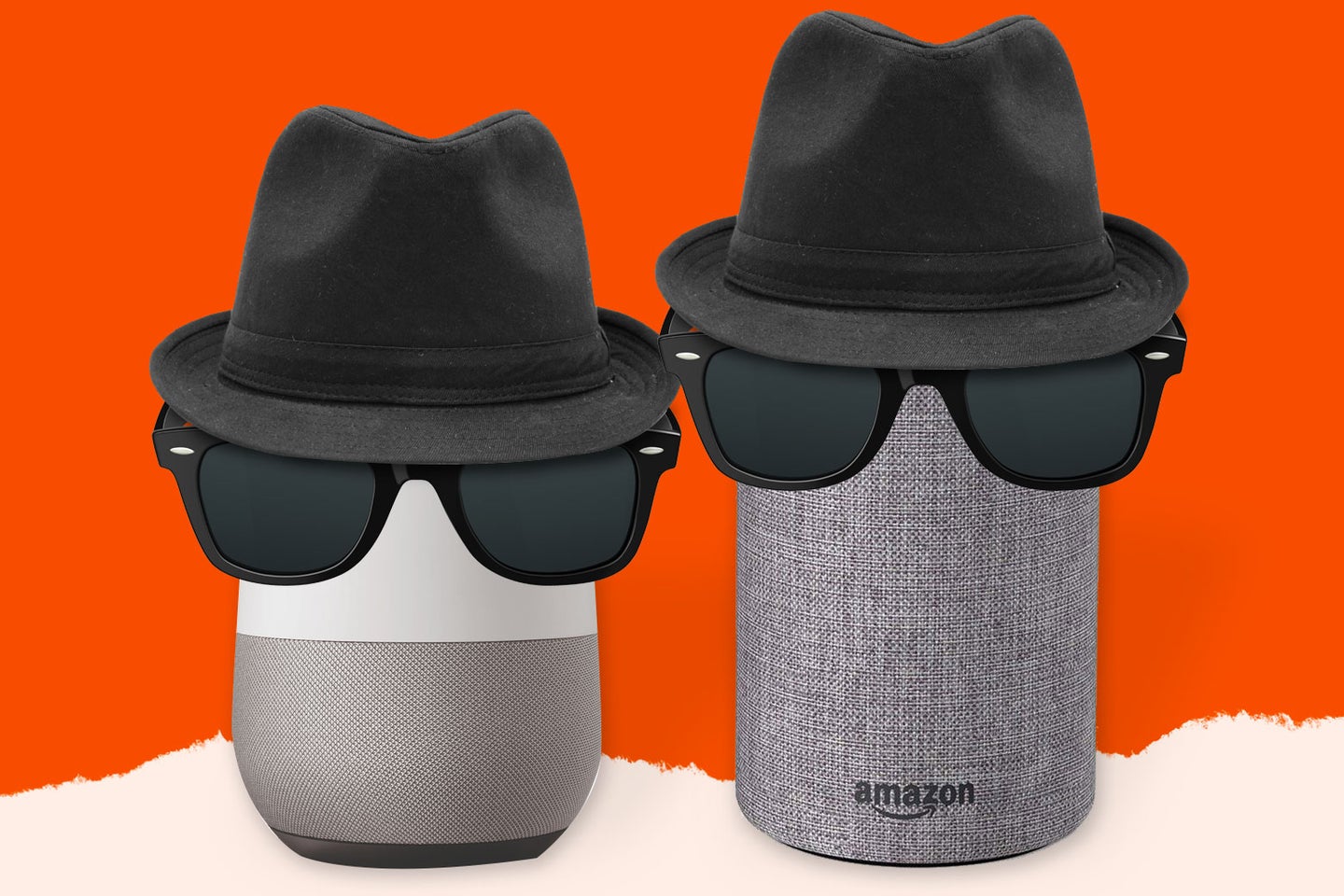
Though Dr. Jeong did not look into privacy issues regarding other age group’s social media use at the time of the study in 2010, he reports that he is now at his current position at Louisiana State University. He is currently focused on privacy matters with relation to artificial intelligence (AI) and smart devices like Amazon’s Alexa, Google Home, and more. He finds his current inquiry to be of great importance, warning us of the potentially existential threat that is AI.
So generative AI is scary, very scary. So when that is combined with technology, then we may see the end of the world sooner.”
– Dr. Yongick Jeong

 The Society for Communications Research