by Valery Medrano-Ruano, Natalie Carreon, Crystal Ramirez, and Kimberly Aranda
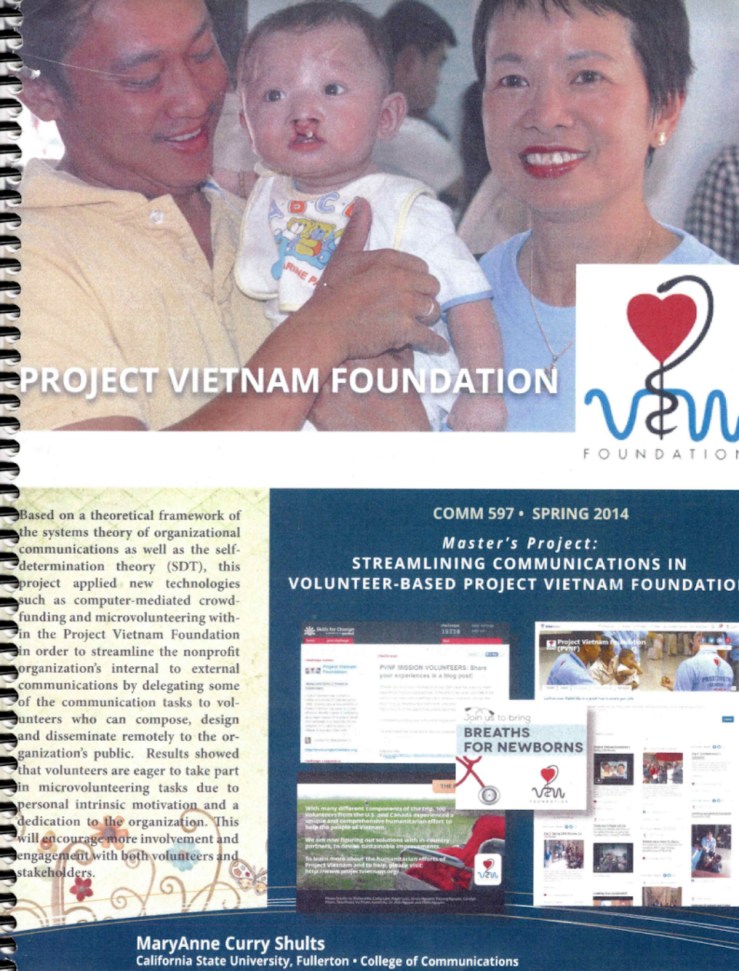
Recently, we had the pleasure of interviewing Professor Shults an adjunct lecturer at Cal State Fullerton in the Department of Communications. She is also an associate professor of journalism at Saddleback College and has experience working in web design and media relations. Professor Shults’ research focused on her study of micro-volunteering and her journey of gaining home-based volunteers for the “Project Vietnam” Foundation.
Q. What did your study consist of?
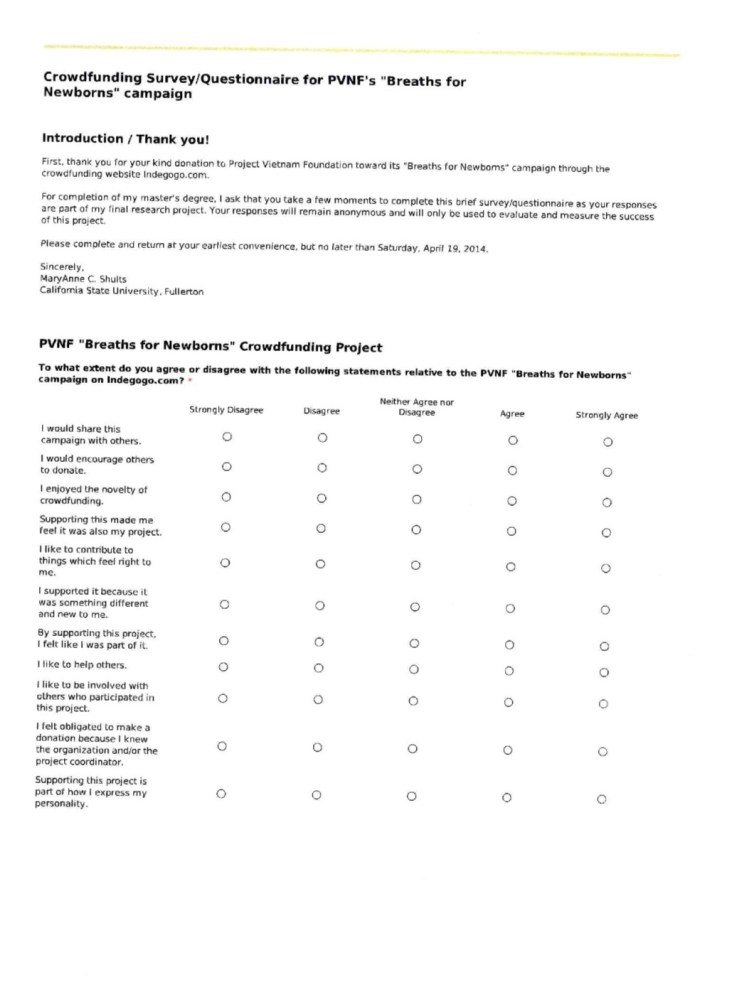
In Maryanne Shults study “Help Project Vietnam and Work from Home”, it consisted of doing surveys within her research to see what participants were willing to engage with the campaign project. One of the theories that was being used throughout the project was “the Self Determination theory”. This theory was involved in the success of the project due to the goal of their campaign to make donors/ participants feel good about their philanthropy. It wasn’t all about the money that was needed to donate to the cause.
Q. What was the biggest challenge during this project?
The biggest challenge throughout this project was trying to figure out what theories that were going to be used within the research. The surveys that were conducted within the study were all handed out to participants that have previously volunteered for the charitable cause. Although they had the experience this did not guarantee that they would get a response back. The way she gathered her response was through a mailing list. There was a lot of uncertainty with this form of survey as there was also no guarantee that the survey would arrive to the participant in time or if they would even read it.

Q. Why did you choose to research this topic?
Most of Professor Shults’ life has been dedicated to volunteer organizations. It was through her work with different organizations where she realized that many people want to help out and volunteer but are unable to make lasting commitments due to time constraints. She wanted to be able to find a way for more people to volunteer for causes that they were passionate about from the comfort of their own homes. She came across this idea of “mirco-volunteering”, an idea created by a college student and she was intrigued. She wanted to discover how this concept can work for medical students, doctors, and other people that want to help but don’t have the time or money.
Q. Was your research qualitative or quantitative?
The research conducted within the study was quantitative. The reason I say quantitative for the project was because the project relied on the number of participants that were willing to make a donation to the charitable organization.
Q. If given the opportunity to do this project again would you make any changes?
Professor Shults would change the way the survey portion was conducted and promoted more on different platforms that would slightly guarantee more positive responses for the campaign.

 The Society for Communications Research