By: Jennyfer Lopez Ramirez, Leah Humphrey, Lily Holman, and Sofia Vargas
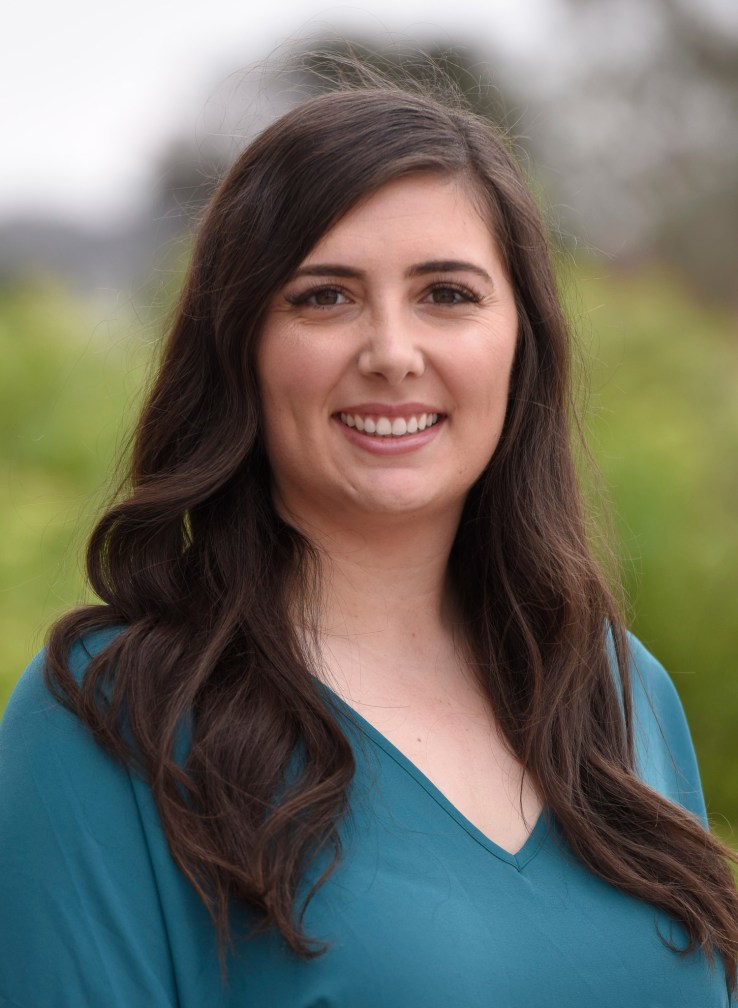
The dissertation titled “Hidden Power: Journalistic Representations of Mental Health Labels” by Elise Anguizola Assaf analyzes how mental health is portrayed in online newspaper articles, focusing on three major U.S. newspapers: The Washington Post, The New York Times, and USA Today. Using Critical Discourse Analysis (CDA), Assaf examines the language and framing methods used in 33 articles published over six months in 2018. Her work explores how media narratives often align with a medical model, emphasizing terms and connotations that reinforce mental health as a biological or medical issue, which may perpetuate stereotypes and marginalized individuals labeled with mental health conditions.
Key findings include:
- Dominant Use of Medical Framing: Most articles apply a medical model, often casting mental health in terms of illness, treatment, and pathology, thereby reinforcing stigmatized views.
- Power and Source Bias: The majority of articles rely on law enforcement and legal sources for causality and authority, which often leads to depictions of individuals with mental health conditions as potential aggressors.
- Overlexicalization and Connotation: The frequent use of formal, medicalized language impacts readers’ perceptions by highlighting mental health conditions in terms of risk or criminality, often neglecting social or recovery-focused narratives.
This study ultimately argues for a more nuanced approach in journalistic practice, where mental health stories incorporate balanced and humanizing language and perspectives, and proposes recommendations for shifting from stigmatizing discourse.
Q1: How do you think the lack of tone indication or context in social media can lead to negative mental health effects?
A: Professor Assaf explained there are two sides of social media in terms of the content that audience members are getting. There is the visual and the text that they are reading. With the visual components, tone can come across more clearly. Whereas things that are written can be difficult for an audience member to understand the tone that is intended. There can be problems that occur such as not knowing if the person is mad or funny, we are not always sure how the message is going to come across to the reader. Social media tends to be much more stagnant, she explains that unlike in a text where we can ask for clarification over social media it is almost a one way communication because there is less fluidity back and forth. This issue can affect mental health because people can let that concern, of not understanding the language they are reading, make them uncomfortable and there is not outlet for them to go back and communicate for clarification.
Q2: How did you ensure the validity and reliability of your data?
A: During the long process of writing her dissertation, she had a committee and a chair which allowed for conversations to review and assist on some of the data she was working on. There were multiple sets of eyes going over the data to make sure her findings were reliable. She also conducted a pilot study along with another peer researcher and they agreed to be eachothers second pair of eyes and review each other’s research. During this pilot study her peer selected a random sample of 10% of the data and analyzed it with the codes. Then they went back together and matched the data to confirm they were both coding the information in the same way to improve reliability. She also made sure her newspaper sources had enough variety to confirm her data. She chose an east cast, west coast and middle america publication to ensure she covered the whole country.
Q3: With a topic as nuanced as mental health, how did you ensure that your personal perspectives didn’t influence the interpretation of your findings?
A: Assaf explained she is very up front with her personal experiences with mental health and it did affect her research to an extent. She explained in qualitative research it is very important to acknowledge your bias and the lens you see and process this information through. In her dissertation there are two pages dedicated to why the topic is important to her which tied into how she will read and process the data. She mentioned in qualitative research it is important to communicate those biases to the reader up front so the readers understand what could impact the analysis within that study.
Q4: What did you find the most challenging in the research process?
A: Professor Assaf shared that the most challenging part of her research process was managing feedback from her committee. She explained that having a committee of three meant navigating multiple opinions and expectations, which could be frustrating and sometimes delayed her progress. However, she acknowledged that their input helped her grow as a researcher and ultimately strengthened her work, despite moments of struggle. She mentioned that the same challenge arose when submitting work to journals and conferences, where reviewer feedback ranged from outright rejection to conditional acceptance with required changes. This ongoing back-and-forth with reviewers had both positive impacts on her research and tested her resilience throughout the process.
Q5: Do you feel like the more you grow as a researcher it’s able to balance out or is this the life as a researcher?
A: Professor Assaf believes that challenges in research—particularly those stemming from reviewer feedback and blind review processes—are an inherent part of a researcher’s life. She shared an example from a study she conducted with her colleague, Doug Swanson, where they had to anonymize his name in citations to meet the requirements of a blind review. Ironically, a reviewer then recommended they cite Doug Swanson’s work, not realizing he was a co-author. This experience highlighted for her how, in research, if one challenge is resolved, another often arises, reflecting the ongoing, sometimes ironic, nature of the process.
Q6: Looking back, is there anything you would’ve done differently in the research process?
A: Professor Assaf reflected that, overall, she feels confident in the strength of her study and doesn’t have significant regrets. She mentioned that, in retrospect, she might have preferred including publications like the LA Times and a Midwest newspaper, in addition to the NY Times, to capture a broader geographical representation. However, she didn’t feel strongly enough about this preference to pursue a follow-up study, as she moved on to other research areas.
The qualitative research done by Professor Assaf focuses on the stigma of negativity in the media. Assaf talks about how direct messages and content are targeted towards an individual, whether from a post or direct messages. She then explains how negative content can directly impact them more when they do not have an outlet to fact-check where information comes from. Journalists also use mental health and framing in their media, this creates different interpretations of mental disorders such as schizophrenia, or bipolar disorder.
When asked about bias during this research, Assaf stated that “it’s really important to acknowledge your bias” and how it affects you during the process. In her dissertation, she explains why this topic is important and how it impacts her. It is also important to process the lens through which this information is given because that shapes the view of the message to the person reading. By Focusing on the nuances of language, qualitative data really shows the power journalists and reporters have on society.
Professor Assaf’s advice:
Professor Assaf advised choosing a research topic that genuinely interests you, as this can make the long process of research more fulfilling and manageable. She noted that while a semester-long project may only need a few months of dedication, longer-term research can span years with frequent adjustments and revisions. To prevent burnout, she emphasized picking a topic that won’t become burdensome over time. Assaf also recommended thoroughly researching the topic in advance. She reflected on her own experience as a student, explaining that having a wealth of sources not only strengthens a paper but also makes it easier to write, as you won’t struggle to meet page requirements when you have a strong foundation of information.

 The Society for Communications Research