The conversation with Robert Meeds discussing his study he co-authored with one of his former master’s students at Kansas State, dove into the psychological impact of internet advertisements and how consumers respond to them emotionally and behaviorally. Whether you’re reading an article, watching a video, or browsing online, users are forced to physically stop what they are doing to manually close the ad and create a sense of inconvenience, which nobody likes. Although it’s a small action, it becomes a repeated annoyance that builds negative associations with both the ad itself and the brand it represents. Disruption is key to understanding whether something like pop up ads are effective or ineffective. They not only interrupt but also require effort from the user, making them feel imposed rather than engaged. The study was primarily led by the master’s student, focusing on how viewers react to pop-up ads, examining whether these interruptions influence attitudes toward the product or brand. They built a theoretical framework exploring psychological reactions like frustration and avoidance. Interestingly the results showed that most participants shared similar negative reactions, with frustration being the most common. This emotional response often overshadowed any positive brand messaging, reinforcing the idea that placement and execution heavily impact ad effectiveness. One of the most telling findings was that the act of manually closing a pop-up significantly contributed to users’ irritation. Despite the evolution of digital platforms, he noted that research hasn’t shown advertising to be significantly more effective today than in the past. Instead the field continues to focus on how specific persuasive techniques work with particular audiences and media types. This conversation highlighted how strategic execution and user psychology play central roles in ad effectiveness and how essential it is for advertisers to consider the emotional responses their content might provoke
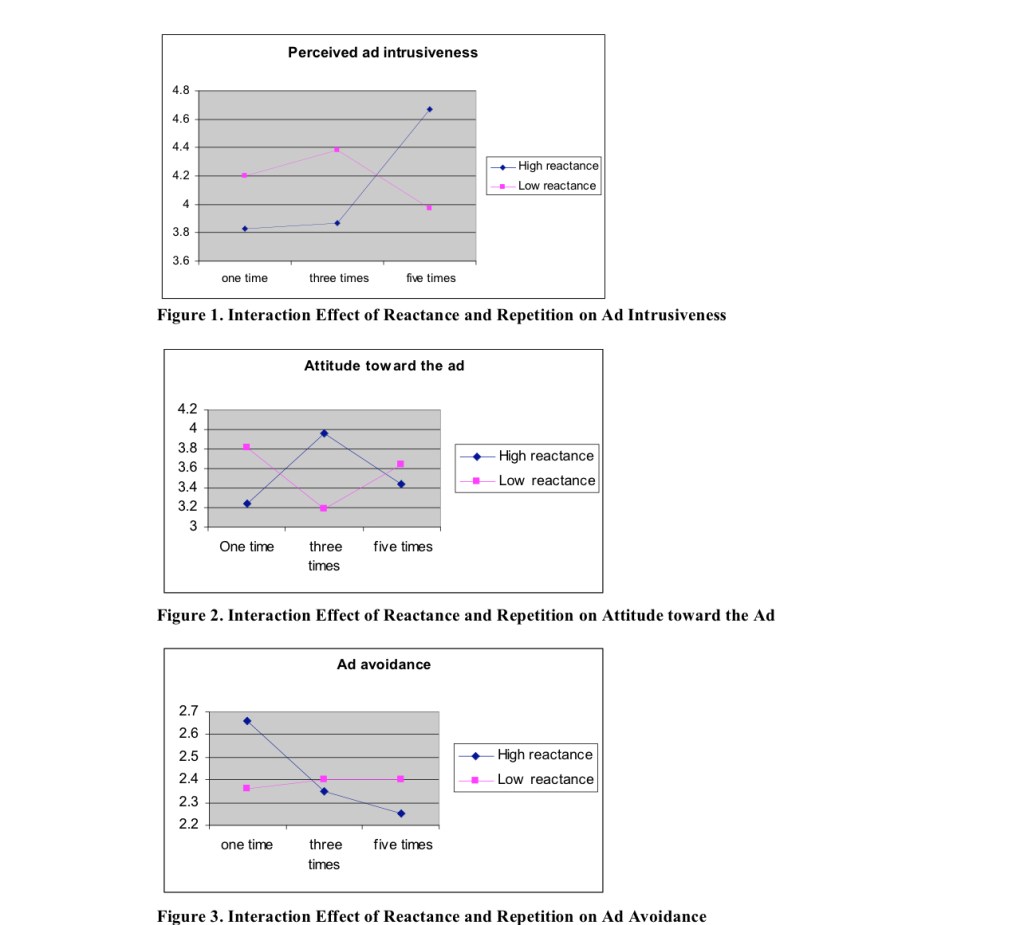
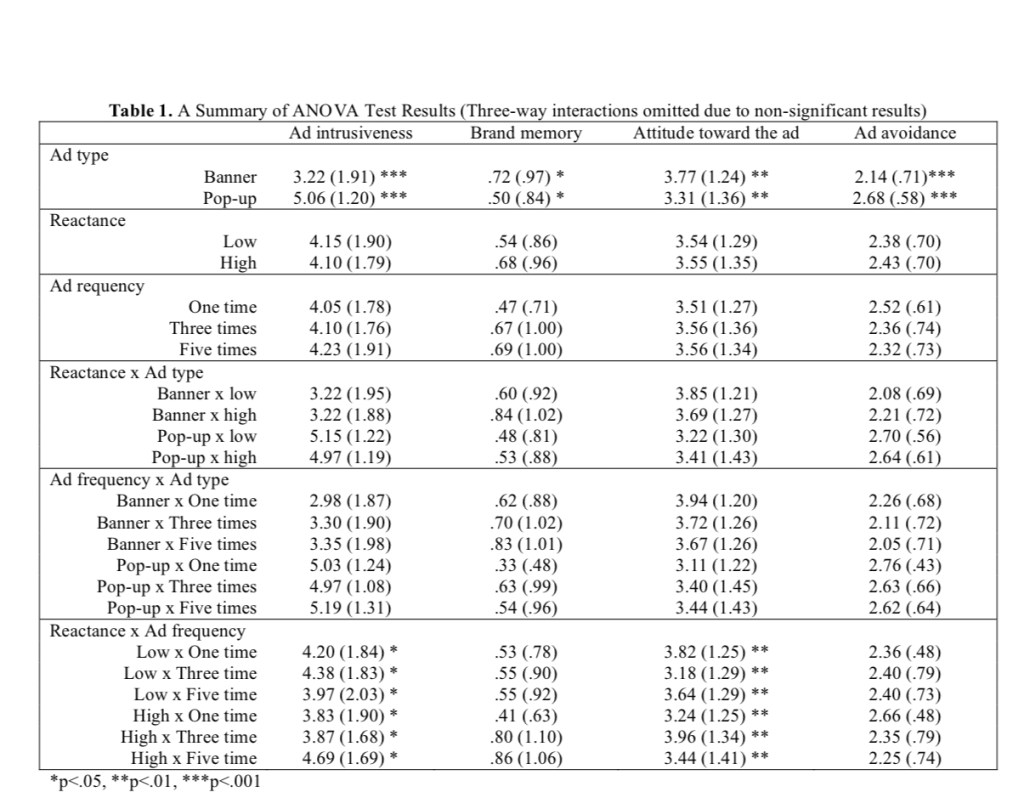
Doing a deeper dive, there are a few key concepts that are crucial to the study. First, the usage of forced exposure is a major component to the study. Forced exposure was used in the ads from the experiment to disrupt the flow of internet usage. The idea was to see if using this method of ad exposure would lead to negative memories about a brand. Unforced ads are also used as a measurement against forced ads in terms of best delivery for branding. The next key concept that is important to the study was Psychological Reactance, which was touched on broadly by Robert Meeds. It’s the reaction people make when something is impeding their freedom. In this case, the study is trying to find out if the reaction from forced and unforced exposure of ads contributes to brand memory. The conclusion of the study proved what the initial question was asking: whether or not forced exposure causes negative reactions and worse brand memory than non-forced ads. Other hypothesis that were set were looking at if frequency of each exposure condition (forced and non-forced) caused negative results and if the reaction to ads were going to produce different responses. Both were found to be false as regardless, the attitude of ads was not changed by frequency and the reaction between people who at high and low reactants was too similar to be separated. To wrap up the summary, the type of ad that was presented to participants did cause negative reactions as it disrupted the flow we go into when browsing the internet. The findings in the study are interesting when looking at the wider landscape of modern ads as we consume more content at a higher rate than ever before. Robert Meeds as asked about if modern ads were considered intrusive and if there was regulations around them. His answer surprised us as he mentioned there was more of a unspoken rule about how ads should be made ethically, but that there are no actual regulations on forced ads or how ads are presented to consumers.
What made this study especially strong was the way it looked at both emotional and memory-based responses. After participants viewed the ads, they were asked about their feelings, like whether they felt annoyed, frustrated, or indifferent. Then, they were tested on how much they remembered about the brand that was advertised. This two-part approach helped the researchers understand not just how people felt in the moment, but also how those feelings affected their ability to recall brand information later on. The researchers also looked closely at how different types of exposure—forced versus unforced—changed the way people interacted with the ads. Forced ads, like pop-ups and interstitials, appeared in a way that stopped users from continuing their activity. Unforced ads, like banners or sidebars, were easier to ignore and didn’t interrupt the user’s flow. These differences were important because they showed that how an ad is presented can be just as important as what the ad is actually saying. A surprising finding was that how often the ad appeared didn’t make a big difference. Whether people saw the ad a few times or many times, their reactions stayed about the same. This suggests that it’s the format and timing of the ad that really matter, not just how often someone sees it. It also challenges the idea that more exposure always leads to better results, especially when the delivery method disrupts the user’s attention or mood. In the bigger picture, this study helps us think more critically about how ads affect us every day. It reminds advertisers that people are not just passive viewers—they have emotions and preferences that should be respected. Ads that interrupt and annoy may stick in the memory, but not always for the right reasons. If the emotion connected to the brand is negative, the ad might actually do more harm than good in the long run. Overall, the study shows how advertising effectiveness depends on more than just getting attention. It’s about how that attention is earned. Respecting user experience, emotional reactions, and the natural flow of content is key to creating meaningful, lasting, and effective digital ads in today’s fast-moving online world.

 The Society for Communications Research