By: Ashley Hernandez, Alyssa Velasquez, Jordan Avila, & Mary Hicks

Our team had the opportunity to talk to Professor Peter Evanow. He has written Nissan Z: 50 Years of Exhilarating Performance and Ford Bronco: The Original SUV. He talked to us about the current changes happening in the automotive industry, why the media is concerned about these changes, and what these companies should be doing to reassure their customers.

Professor Pete Evanow has been a faculty member at California State University, Fullerton for 23 years. Before his teaching career, Evanow worked in the Automotive industry for 20 years in racing automotive marketing, promoting different products for car companies such as Ford and Nissan, and co-owned an Advertising agency from 1996 to 2006. He explains that cars with an internal combustion engine (I.C.E motors) need oil to operate. The scarcity of oil in the United States leads to high gas prices and produces carbon emissions that pollute the air. Since the early 1990’s, electric vehicles made their debut with the EV1. The vehicle’s purpose was to produce less carbon emissions to improve air quality and save money on gasoline. He later added that Elon Musk’s debut with the Tesla vehicle model, helped electric cars gain more popularity, this also means that there are a lot more competitors today. Evanow said the main reason why the media has its concerns about the vehicle or is against all electric-running vehicles is because people are afraid of change. The majority of consumers are already accustomed to gas-powered vehicles and are comfortable. Professor Evanow commented that there will be a force of change in the auto industry with California stating that there will be no more I.C.E motor cars sold after the year 2023, but consumers will still have the choice to drive the automobile of their choice.
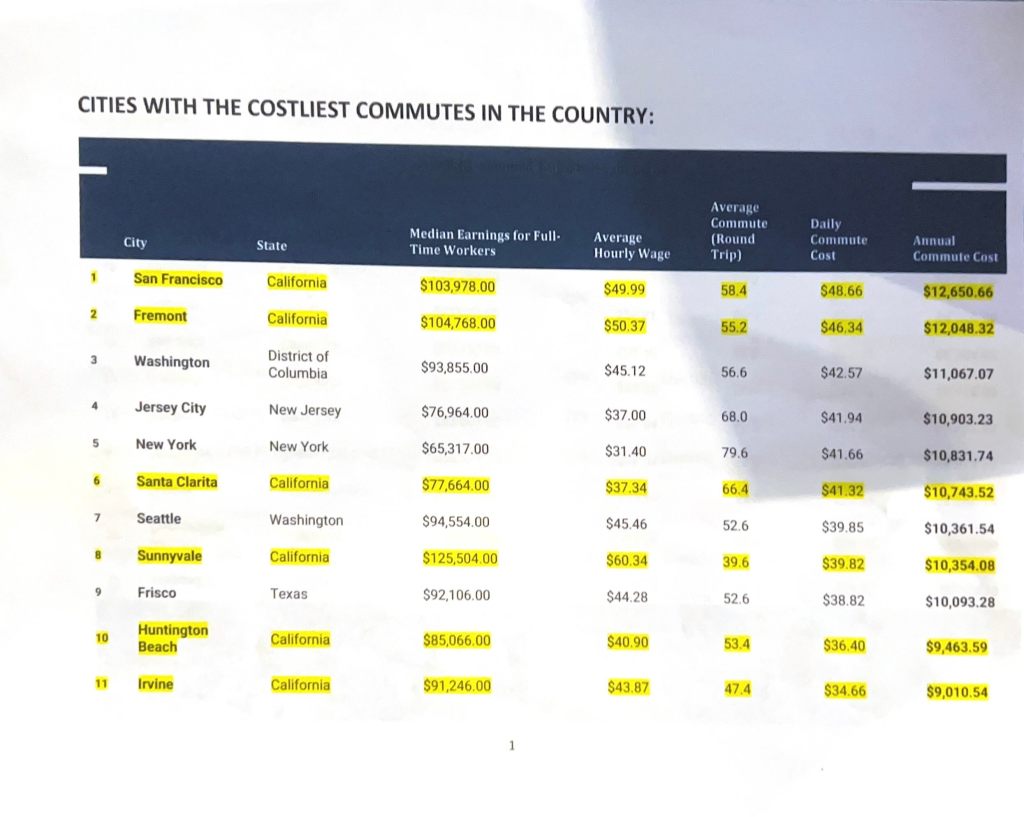
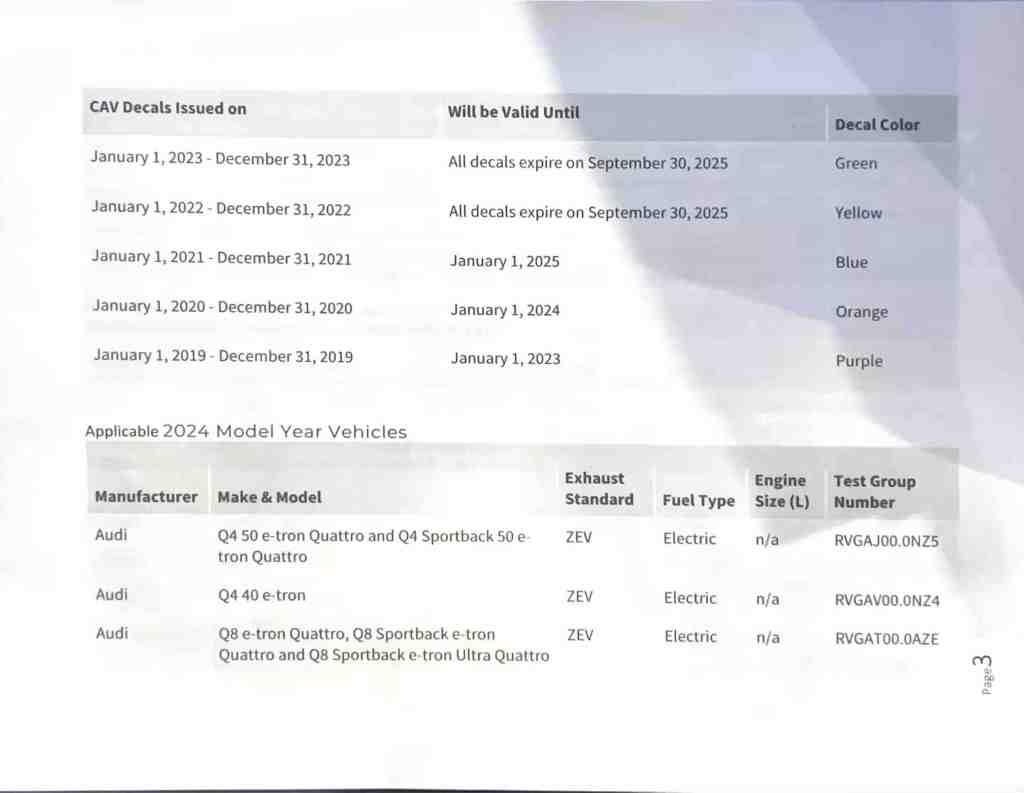
Electric vehicles are not only beneficial due to it helping the environment but it also benefits college students by offering the use of the carpool lane for a certain period of time. CSUF has a lot of students that commute to campus so this would be an incentive that can lead to students developing an interest for this type of car. However, the reason why students have not made the switch yet is partly because CSUF does not have enough charging stations on campus. So students with EVs would have to go look for a charging station outside of campus. Additionally, a student will, most likely, not be able to afford the current price of an EV. Evanow explains that more marketing needs to be done in order for more people to be willing to switch to electric cars. He explains that they should be marketing to people in their 20s because he believes that it is important to have them on their side since their opinions are the ones being spread around the internet. They also need to work on gaining people’s trust. As mentioned previously, a lot of people do not want to switch to EVs because they already got used to their ICE vehicles so these companies have to find a way to gain people’s trust. Evanow suggests that some sort of web page where current EV drivers explain how this type of vehicle has benefitted them so that it reassures that it would be good to switch to an EV.
Evanow is in a unique position to share his perspective on the winds of change currently sweeping across the industry. With his vast experience, developed throughout his career while marketing that included working with major players in the market like mentioned before, Ford and Nissan, which offers insight into the changing nature of the sector. Evanow’s broad experience in marketing includes promoting a range of products, including those that are sponsored by esteemed events such as NASCAR and Indycar racing.
Although the switch from internal combustion engines (ICE) to electric power has received extensive media coverage, Evanow highlights the many issues that this change brings with it. The automotive industry is changing quickly, necessitating large public and private investments to promote greener transportation and reduce air pollution. These changes are largely driven by funding programs like the Clean Air Retrofit Program (CARP), which are acknowledged as being necessary for a cleaner environment and more sustainable transportation options.
Building consumer trust, doing constant feedback and evaluations, and stepping up marketing efforts are the three main things that Evanow sees as being essential to the ongoing transition. These elements are essential to persuading a larger population to use electric vehicles (EVs). As the future leaders of the automotive industry, younger generations should find the marketing tactics flexible and engaging. This generation holds the power to influence the success of companies by shaping products and services that align with their evolving needs and preferences.
The transition of the automobile industry to electric vehicles is not without its share of difficulties. While most people agree that EVs are better for the environment, there are many challenges in the way of a full transition. Since people are inherently averse to change, the switch to electric vehicles (EVs) may be seen as a major one. Mentioned previously, California’s transformation plan for requiring that gas-powered vehicles be removed from the market by 2030 just shows how strongly the state is firing for a cleaner environment. It’s crucial to remember that internal combustion engines (ICEs) and gas-powered cars are still common on our roads despite this requirement. This suggests that a significant portion of the population remains tethered to their conventional vehicles. The appeal of EVs is clear, as they produce zero emissions and contribute to a cleaner environment. However, it’s also evident that people will continue to drive gas-powered cars, underscoring the challenge of this industry shift.
Furthermore, a closer look at the college campus scenario reveals an additional layer of complexity. With the lack of charging infrastructure on campuses, it makes for a difficult transition into students’ lives regarding electric vehicles . To expand on the inconvenience of seeking charging stations outside of campus compounds the issue, we must discuss deterring potential EV owners. The incentive of using carpool lanes, which is a significant advantage for commuters, is not enough to offset these challenges.
As Evanow notes, to convince more people to switch to electric cars, companies must address these concerns. Marketing strategies must be more robust and adaptable to cater to the demands of the younger generation, fostering trust and reducing costs. This evolving landscape demands that the automotive industry find innovative solutions and adapt to consumer needs. The future of the automotive industry will likely see bigger companies absorbing smaller ones, and the road ahead will be marked by substantial changes and challenges as it moves toward a more sustainable and electric future.
 The Society for Communications Research