By: Bill Hoang, Berenice Torres, Cassidy Casillas, & Kiera Drew

Our group had the opportunity to conduct a Zoom interview with Professor Heather Osborne-Thompson, an Associate Professor of Television Studies in the Department of Radio-TV-Film at California State University, Fullerton. She teaches critical studies of television, writing about television, and children’s television. She has written Children’s Media, a piece about advertising in children’s media. She talked about how advertising in children’s television shows affects both children and their parents.
Read more: Advertising in Children’s Media: Should children be exposed to advertisements?What initially drew you to pursue a career in academia, particularly in the field of communication and media studies?
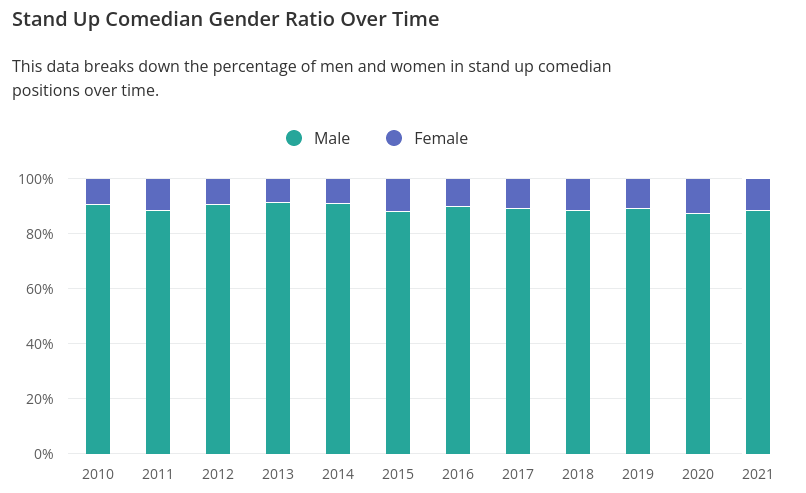
Professor Osborne-Thompson was originally an English major with a concentration on Journalism. During her time in undergraduate school, she was also an editor for a college newspaper, writing most of the film reviews, and she had an interest in music. She imagined herself to be a journalist who wrote about the arts but was unsure . Then she went back to graduate school at USC and took a class that was focused on television. Her dissertation was about women comedians in American television during the 1950s. She did not get into children’s television until teaching at Cal State Fullerton. That was 16 years ago and she continues to teach every year. TV studies are good to know what’s happening at the moment. She also mentioned that television and films are now harder to discern due to the digital age.
Source: The Authentic Comedian
Was there a specific moment or event that inspired you to focus on the impact of advertising in children’s TV programming?
With advertisements in children’s television, the effects are more focused with social sciences. Although she is not a social scientist herself, her mentors from graduate school were and helped her combine the two schools of thought. Parents do not want their children to watch advertisements for a variety of reasons but it is also a way for audiences, in this case children, Her studies focused more on television instead of advertising but the two topics do coincide often.
Have you done any research with advertising in general or only children’s television?
She studies more on how television functions rather than advertising. Writing about Outlander, a historical drama, she noticed there was a lot of critical discourse about the cheesy romance genre and how it was written for women. The fans had their own discourse about what the show means for its audience.
What drove you to publish your findings on this topic? Was there a particular goal or objective you aimed to achieve through dissemination?
As professors, we have a requirement to publish findings. I found a group of scholars to work with. I published a piece on different approaches to children’s television. It was part of a special issue in a journal focused on the influence of feminism and feminist scholars. It was a great chance to work with people in the community.
Have you observed any trends or changes in the nature of advertising in children’s TV over the years?
“A lot of the space is integrated.” There were always Saturday morning time slots where children would watch the show and the advertisements were integrated into the programs. Online spaces like social media have more prominent efforts in trying to reach their child audience. Lots of the trends are driven by early adopters and how they promote certain products. She admits that she does not watch as much television with her child as she used to so it is harder to notice trends. Advertising has become more subtle now that streaming is more prevalent. She has switched over to streaming services instead of watching cable television.
As seen in Figure 2, viewers have strangely accepted the long advertisements instead of paying for an ad-free service.

Source: Marketing.brew
Since cord-cutting, what have you noticed about streaming services compared to television?
When showing examples of show programs in her class, the advertisements do play and she is surprised that the advertisements seem to have gotten longer and you cannot skip them. She says the prolonged waiting is irritating but they are entertaining and try to cater to whoever is watching.
What are some potential long-term effects of exposure to advertising during childhood and adolescence that parents worry about?
It makes people aware of what they want but children are not as savvy about how much stuff costs. Adults are able to break down advertisements. Denying the child’s request and ending the conversation is one way parents can diffuse the situation. Advertising is pretty sophisticated and especially for children.
How did you recharge and rejuvenate when faced with academic or research-related challenges?
She takes a step back or talks to other students she knows. CSUF faculty can join writing groups at the Development Center so she can get help with the other group members. She states the feedback other people give is helpful.
Looking back on your journey in studying children’s television, what are some key lessons or insights you’ve gained along the way?
I have learned it’s good to focus on the students and where they fall, generationally speaking. She is still trying to figure out how to understand the students’ perspectives. One of the biggest lessons was the great deal about child development and shifting norms in representation. She stated the best examples came from her students. Another lesson she learned was the way programming has changed over the years. She notes that the programming is always changing and hard to track sometimes.
Overall, parents should be aware of the advertisements that are targeted towards their children. Advertisements are becoming more subtle so parents need to teach their children to think more critically when seeing advertisements on social media.
 The Society for Communications Research