
Daisy Ledezma, Yashlyn Villarrubia, Cecilia Wang
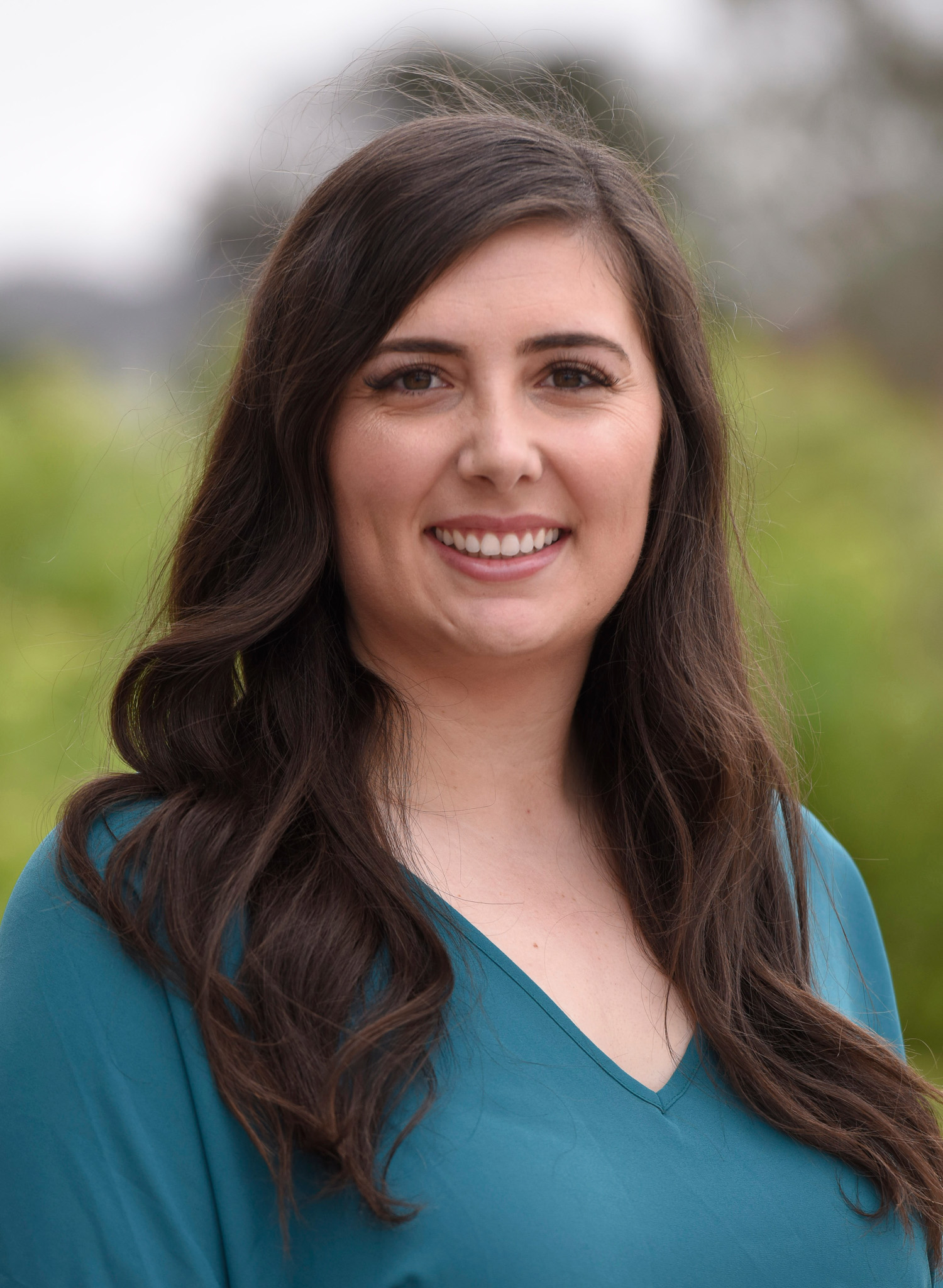
When Professor Assaf was in Cal State Fullerton, her major was undeclared, so going into education in communication was not her intention. She knew that she had an interest in writing, design, journalism, and advertising. It was in her advertising class where she learned about public relations. Her dad was not thrilled when she found her interest in public relations and told her to get her masters. She was working in the public relations industry while doing her masters. She realized that working in the classroom felt right than working in the field. The drive was there but also, she had a job where she hated it so it solidified her decision. When she told her advisor that she was interested in teaching, her advisor told her a couple classes in which Assaf started teaching in Comm 446.
For her doctorate program, she did not feel like any of the programs felt right to her but eventually she was put into disability studies because she wrote an essay that focused on the impact of mental health in college students which led her into the education problem. Prior to her research, she had not looked into mental health or disability but found interest in it. Assaf found connections in media studies with mental health and disability
Read More: Dr. Elise Assaf on Journalistic Representations of Mental HealthQ1: What made you choose the topic of mental health for your research?
Professor Assaf shared that the topic of mental health is very personal to her as she has been diagnosed with depression and anxiety at different points of her life. Her family members as well have been diagnosed with mental health diagnoses including schizophrenia. She is well versed on what it is like to experience it and that created an interest in better understanding the other side of it. She talked about when mental health topics are brought up in tv shows or movies she always pays close attention to why and how it is being brought up. She also pays attention to the stereotypes and storylines that are brought up with it. She always wondered where stereotypes came about since her brother’s diagnosis of schizophrenia because the first thing people would ask her is if he was “dangerous”, which was not the case for her brother.
Another part that went into her choosing mental health for her research paper was because she felt that newspaper articles were a decent entry for this area of academia. They were easily accessible and easy to create copies of them to code on her computer. In doing that she came across a statistic stating, “6 out of 10 people don’t read beyond a headline.” It shows how people’s lives are being changed about a topic without very much information about it.
Q2: In your research you cover representations of mental health in online newspaper articles from 3 national publications; the Washington post, the New York times, and USA today. How did you narrow down just to those three outlets?
Her study is a multisite case study which is intended to be a deep dive for each of publications. In order for there to be enough data it had to be more than one online news publication. She initially intended it to be east coast, west coast, and middle America situation. However, this bigger study was done as her dissertation, so she had a committee, a chair and two committee members. One of the committee members was married to a health care reporter at the LA Times which meant that she would have had his articles in her data set which was a conflict of interest leading her to readjust. She found the data on the top ten national publications in the United States, and she went from there.
Q3: How did you decide on conducting qualitative research with this topic? Do you prefer it over quantitative?
Not being a fan of numbers herself, Assaf took a qualitative research approach to her research. Assaf talked about preferring stories, language, and context when looking at information; qualitative research made that available to her. Allowing her to dig deeper, she could tell a larger story in her research with her data.
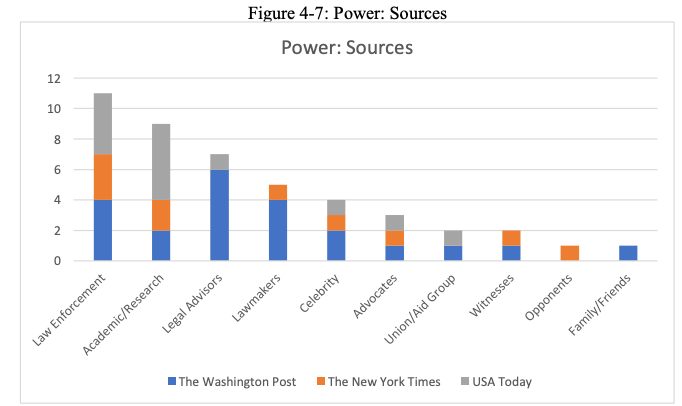
Q4: Your research paper has many different sections and is very detailed. How long did it take you to conduct your research from start to finish?
Assaf began her research by identifying what publications she would be focusing on and proceeded to create parameters for her data set. Parameters included how many articles she would be reviewing as well as the length. Her research surrounds newspaper articles, which are accessible by the article; she had to particularly keep an eye out for collection dates when reviewing articles. After an initial submission, she was urged to continue her research to find more information and draw a more valuable conclusion. After more research and new qualitative techniques in practice, she finished her research. The entire process totaled about a year and a half, not accounting for publication and editing.
Q5: When collecting your data, how do you go about which data is worthy of including into in your study?
It’s necessary to collect all the data that qualify and code everything. Assaf mentioned that you shouldn’t be biased in your study because it’s problematic. Even in the end of your coding, the end result can be nothing remarkable and seems like common sense but the way you did everything in a methodology way proves your findings better. It just means if you need to make any changes in the future.
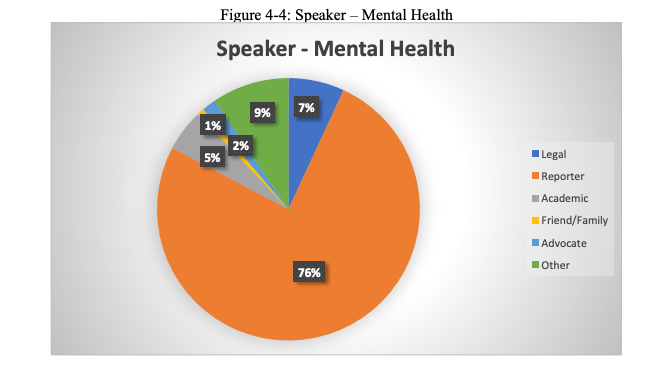
Q6: You used coding during your research, how did it benefit your findings?
Professor Assaf mentioned how it was necessary for her qualitative research to use coding. If doing interviews, you’ll eventually use coding for the findings and it’s important to use data as it is useful when doing research.
Q7: What made you focus on news outlets specifically, instead of say, social media platforms?
At the time she was in a class her first year of her doctorate program and the statistic that she stated previously regarding 6 out of 10 people don’t read beyond a headline lead her to begin a pilot study in that class which is where her interest began. Another reason she chose news outlets was because they are publicly accessible while social media posts tend to more questionable and tend to be private or blocked. She shared that she does find social media interesting and has since then looked at research involving social media, at the time it made more sense to go the journalistic route. She believes that journalists are considered gatekeepers as they are knowledgeable about the things, they are writing about which gives a lot of weight to give in to what they are writing and publishing. The impact it can have on audience members can be significant with understanding what they are communicating.
Professor Assaf’s research is fundamental now, where headlines are prominent. With mental health being a less taboo conversation than times past, it is important that the media communicates and has this conversation with its audiences appropriately. Instead of actively pushing the relationship between aggressor and mental health through head-turning headlines, the stories being told mustn’t be misrepresenting the individuals.
 The Society for Communications Research