By London Geban and Dave Christian Gammad

We had the pleasure of interviewing Dr. Elise Assaf, an assistant professor specializing in public relations and entertainment within the undergraduate communications program at California State University, Fullerton. Dr. Assaf holds a Ph.D. in Education from Chapman University, an M.A., and a B.A. in Communications from Cal State Fullerton, combining her academic pursuits with a diverse professional history in public relations. Her research focuses on media representations of mental health, using qualitative methodologies such as content analysis and critical discourse analysis to investigate how language influences public perception. Dr. Assaf’s professional journey includes significant roles in public relations and media campaign management across various sectors, including healthcare, real estate, and lifestyle, enriching her knowledge of the dynamics of media influence. We explored her 2020 publication, “Mental Health as a Burden: Journalistic Representations of Mental Illness on Family, Society, and the Individual,” which examines the portrayal of mental illness in major media outlets and its broader social implications.
Before discussing with Dr. Elise Assaf, we carefully selected seven questions to delve into her insightful study on mental health depictions in the media. We wanted to understand the motives behind her research focus, precisely her technique for evaluating many documents using tools like NVivo. Our questioning also focused on the important themes she highlighted and how they influence the public image of mental health in media. In addition, we were interested in the implications of her results for journalism and media portrayal. Our goal was to understand the overall principles and the thorough methods underpinning her study to better understand how media narratives influence our perception of mental health concerns.
Q1: What inspired your focus on portraying mental illness in mainstream media, and why was critical discourse analysis chosen as the method?
Dr. Assaf stated that her interest in exploring the portrayal of mental illness in mainstream media was influenced by her personal experiences and family members with mental health issues. When she enrolled in her doctoral program at Chapman University, which offered a concentration in disability studies, she observed that much of the research conducted by her peers was centered around physical disabilities and autism. Although these areas were extensively researched, they did not align with her research interests.
Motivated by an increased focus on mental health discussions within the academic community, Dr. Assad recognized a niche that resonated with her experiences and presented a gap in the existing research landscape. This combination, she stated, offered a rich vein of inquiry that could yield both personal and academic fulfillment over the long term, which is crucial given the extended duration of such studies.
Dr. Assaf’s preference for critical discourse analysis as a research methodology stemmed from her interest in textual analysis. This methodology gave her access to various publicly available documents that could be meticulously categorized (coded) and analyzed. She emphasized the importance of language and narrative in affecting the public’s perceptions and framing societal concerns. Dr. Assaf employed critical discourse analysis to look further into the linguistic and contextual components of how mental health is portrayed in media to uncover nuanced insights that could substantially contribute to the field.
Q2: You stated that the critical discourse analysis method was used to analyze 197 articles. Could you share some challenges you encountered while analyzing this large set of articles and how you overcame them?
Dr. Assaf underscored the importance of methodical planning and organization when analyzing a large set of articles, such as the 197 articles she examined in her study. She emphasized the variety in article length, which ranged from a few paragraphs to several pages, requiring a systematic approach to coding and analysis. Despite the challenges posed by abundant content, Dr. Assaf found the task feasible due to implementing a robust coding system from the start.
She pointed out the need for a transparent coding system to help streamline data analysis. This initial groundwork supported a more efficient analysis workflow and assured that she could efficiently explore the material. Dr. Assaf also acknowledged the iterative nature of the analytic process, mentioning occasions where she went back and revised her coding approach based on feedback from her committee members.
In addition, Dr. Assaf highlighted the importance of preserving the integrity of the data collected, particularly in the context of online sources where links might become obsolete or articles can be altered after publication. To reduce these risks, she emphasized capturing and documenting data in its original format, preventing alterations or deletions that might compromise the study’s conclusions. Dr. Assaf’s insights shed light on the thorough planning and attention to detail required for large-scale content analysis investigations.
Q3: We saw you used the software NVivo to analyze your data. Could you share how such tools facilitated your research process, particularly in organizing and analyzing the data?
Dr. Assaf found NVivo, a widely used data analysis software, invaluable in her research process. She emphasized its usefulness for basic coding and organization of research materials. While NVivo offers some quantitative analysis features, Dr. Assaf’s study primarily focused on qualitative aspects, making NVivo an ideal choice for her needs. She noted the software’s ability to centralize information, allowing her to easily navigate different research components.
Despite relying on NVivo for initial coding, Dr. Assaf discovered Excel to be more effective for specific tasks during the later stages of her analysis. This unexpected discovery underscored the importance of flexibility and adaptability in research methods. Even with her limited expertise in Excel, Dr. Assaf was able to leverage its capabilities effectively, demonstrating the value of simplicity in research tools.
Q4: You mentioned six emerging themes in the Abstract section, including ‘mental health as a burden.’ How did you distinguish between themes and determine which ones were most important for your study’s focus?
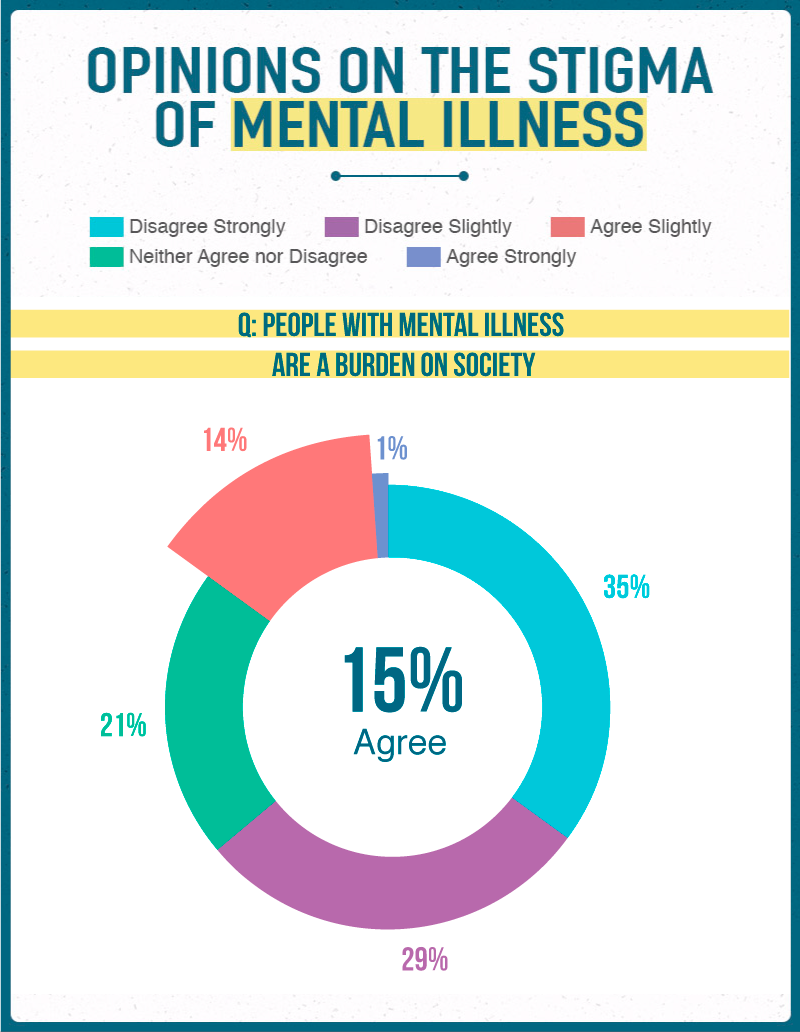
Dr. Assaf described identifying and prioritizing themes in her research as multidimensional. She noted that the emergence of these themes stemmed from her dissertation, in which a deeper investigation generated six distinctive themes. To ensure clarity and concentration in her research, Dr. Assaf chose to go deeper into the topic of ‘mental health as a burden,’ recognizing its potential importance in academic discourse. This conclusion was based on her sense of a gap in existing research, with this particular element warranting further inquiry.
In determining the importance of each theme, Dr. Assaf emphasized the need to contribute meaningfully to the field while addressing relevant gaps or underexplored areas. By focusing on ‘mental health as a burden,’ she hoped to shed light on a subtle facet of mental health portrayal that has received insufficient attention in previous studies. This strategic approach was consistent with her goal of improving scholarly understanding while providing insights that may impact public perceptions and media practices.
Q5: Having reviewed your research study and its findings, it becomes clear that journalists, particularly those in major publications, greatly influence public perception, especially regarding mental health. Based on your insights, how can journalists and media outlets enhance their portrayal of mental illness to promote a more inclusive and understanding narrative?
Dr. Assaf emphasizes journalists’ influence in shaping public perceptions, notably through intensive research and interaction with mental health medical professionals. However, she points out a potential flaw in this technique. While stereotypically authoritative sources may be trusted by the general public, they do not always provide a balanced or truthful picture of specific themes. For example, she highlights a trend in popular media to rely mainly on interviews with incarcerated people, resulting in an overemphasis on this particular narrative. To address this imbalance, Dr. Assaf proposes focusing on more positive tales of people living with mental health disorders. By broadening the narratives provided in the media, debates around mental health can become more nuanced and inclusive.
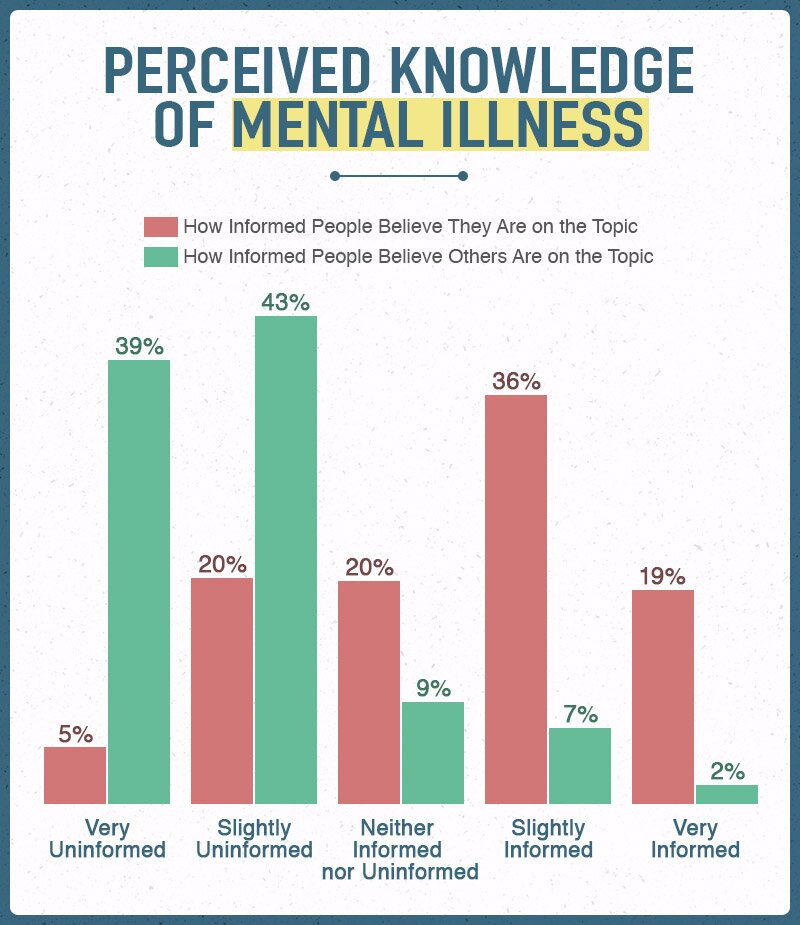
Q6: Many publications are now digital-oriented platforms, with some even dropping print publications, excluding individuals who are not digitally skilled and have limited accessibility. How do you see that change within social media and digital platforms influencing mental health narratives, and what research opportunities does this shift bring for examining the media’s involvement in stigma and awareness?
Dr. Assaf acknowledges the societal trend towards digital content, which technical developments have assisted in technology. However, she emphasizes the need to consider the issues of migrating from print to digital formats, particularly when condensing material for social media platforms. This condensation can result in a lack of essential context, as shown in the spread of abbreviated viral quotes or clickbait keywords, which can spread problematic narratives to a larger audience than traditional print media. While it is widely acknowledged that social media has become ingrained in society, the emphasis is on improving media literacy to solve these difficulties.
Q7: For students and early-career researchers interested in media studies, what advice do you have for undertaking similar research projects?
Dr. Assaf recommends that future researchers and scholars understand the time commitment and long-term nature of conducting and gathering studies. Finding a topic interesting enough to conduct an extensive investigation can be very helpful. She warns of potential obstacles such as outdated and questionable publications, niche unpopular studies, or filling in the empty voids of results. Time management and genuine interest can generate and maintain innovation within the research sphere.
Please feel free to watch the full interview below!
Unburdening Mental Health: Dr. Elise Assaf on Media Portrayals
 The Society for Communications Research