By Clara Oscarson, Victoria Field, Isabel Martinez, Sarah Mendoza
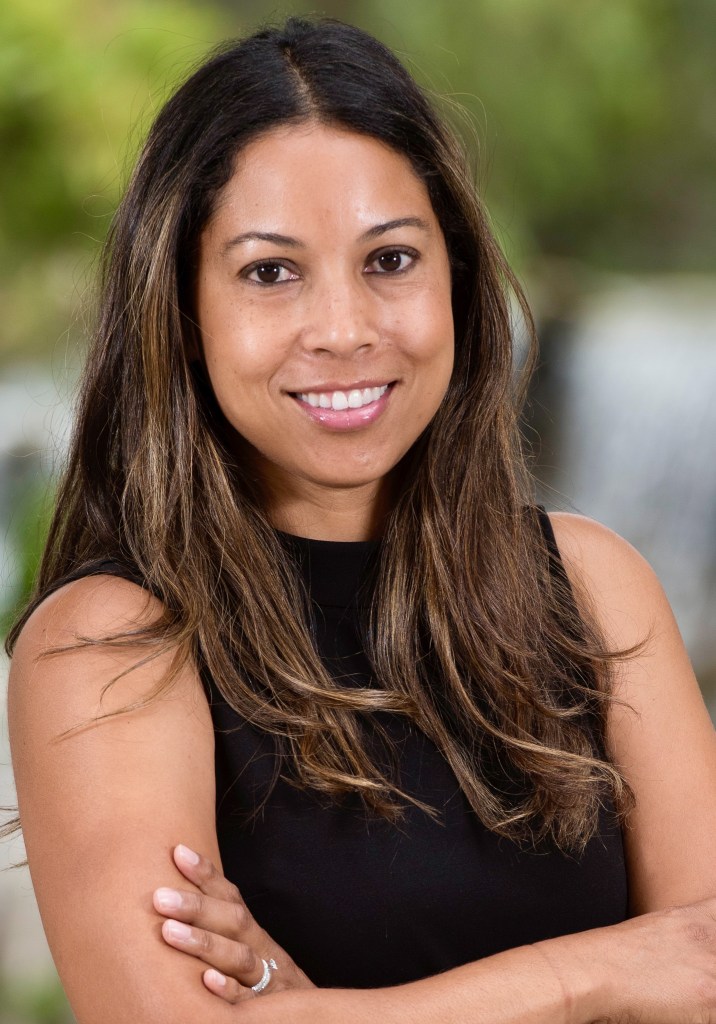
On October 25th, we had the pleasure of meeting and speaking with Jasmine Phillips Meertins, an assistant professor in the Department of Communications at Cal State Fullerton. Previously, she taught public relations courses at Nevada State College and held administrative roles at Virginia Commonwealth University and the University of Miami, overseeing international program marketing and communication. Dr. Meertins’ research focuses on developing culturally competent public health campaigns, notably creating awareness about HIV among youth in the Mayan town of Santiago, Guatemala. She spoke to us about this specific research project regarding HIV Prevention: Engaging Mayan Young Adults in Rural Guatemala. By asking a series of questions on this topic, our team was able to better understand the process and experience of conducting communication research studies.
Q: What made you choose to research the topic of HIV prevention in the Mayan population in Guatemala?
Dr. Phillips was granted an opportunity to work on this study while pursuing her graduate studies. She was eager to participate as it encompassed aspects such as travel, multilingual interactions, working with underrepresented communities, and public health, all topics that resonated with her. Additionally, she was attracted to the idea of working with a Spanish-speaking community in a predominantly Spanish-speaking country and exploring a relatively unexplored topic within that particular demographic.
Q: Why did you choose to use community-based participatory research and the health belief model to guide your research?
Community-based participatory research was used as Dr. Phillips and her team deemed this type of research a “natural fit”. Her team did not choose the type of research first; they decided to speak with the local stakeholders and community leaders to gain more knowledge of what their main concerns were. After this occurred, the researchers sat down and went through the list of research types and models. Community-based participatory research made the most sense because it used a popular approach in which researchers establish that they are from outside of the proposed community and do not know the values, culture or what approach works best towards curing HIV. Researchers also establish that they are there to work together to come up with a solution that is sustainable in this particular community.
Q: When trying to recruit people for this study, why choose to put out radio announcements and flyers throughout the town as opposed to other forms of communication? In your opinion, was this method effective?
Dr. Phillips recalls that the Guatemalan community did not have the same technology as they did in the U.S. Phillips also mentioned they did not have access to the internet or television, so putting out advertisements in those mediums would not have reached their target audience. While there might not have been much access to TV and the internet, the research team found that most young adults had access to radio, so the researchers put advertisement placements through the radio as well as having a variety of flyers posted around the community in hopes of attracting young adults to participate in the study. These forms of advertisements would prove to be successful as they were able to find participants for the study; however, Phillips mentioned that they found the best way to reach possible participants was through word of mouth and wishes they reached out more through that medium.
Q: Was there any preliminary research done before going into this study that you had to conduct?
When going into this study, Dr. Philips stated that she and her fellow researchers had done basic research into the community in which they were conducting their study. For example, they looked into the typical education status of the population, the types of jobs held by the population, and how prevalent HIV was within different Guatemalan communities. Phillips stated, “I think a lot of it we learned on the ground because there was no way to know; there wasn’t a lot of information.” due to the lack of information about HIV in Guatemala. However, the information they could do preliminary showed the most prevalent communities in Guatemala with HIV, allowing the research team to focus their study on those communities.
Q: Why did you and your research partners choose to collect qualitative data as opposed to quantitative data?
“We decided to do qualitative because it’s what my partner and I felt the most comfortable with,” Dr. Phillps stated. All the data from their research was mostly qualitative because they mainly focused on the feelings aspect rather than the numbers. This was because you couldn’t really go into depth with numbers but you can with interviews and different people’s attitudes.
Q: Can you point out your independent clause and dependent clause from your research?
In most research studies, there is typically an independent variable and a dependent variable however, in this particular study, there is neither. “It was more experimental and qualitative, so there wasn’t necessarily one variable that was dependent on another,” Dr. Phillips explained. She explained that any variables there are within the study are not dependent on another. In this case, the researchers were trying to gain more knowledge about HIV prevention within Guatemala.
Q: How did you decide on your population and sample to conduct your research?
During the interview, Dr. Phillips stated that when deciding on the population, her and the other researchers decided on Guatemalans. However, for the sample, they chose young adults from ages 18-25 years old. They decided on this age range because they wouldn’t have to deal with getting permissions for people under 18 years old and they figured those ages would be the most receptive to the new information about HIV. The team also needed to receive permissions from different governments so they decided to not add to that. The age group ended up being beneficial because they were the group with the second highest rate of HIV and her team could help prevent them from becoming the highest-rated group.

Phillips’ first table for phase one of her qualitative study.

Phillips’ second table for participants’ responses from interviews.
View our full interview with Jasmine Phillips Meertins.
 The Society for Communications Research