Interview with Jasmine Phillips Meertins on Institutional Barriers in Relationships with Incarcerated Partners

ceciliaordaz8


By: Jizelle Hernandez, Alejandra Rodriguez, Cecilia Ordaz
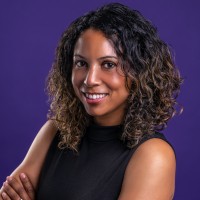
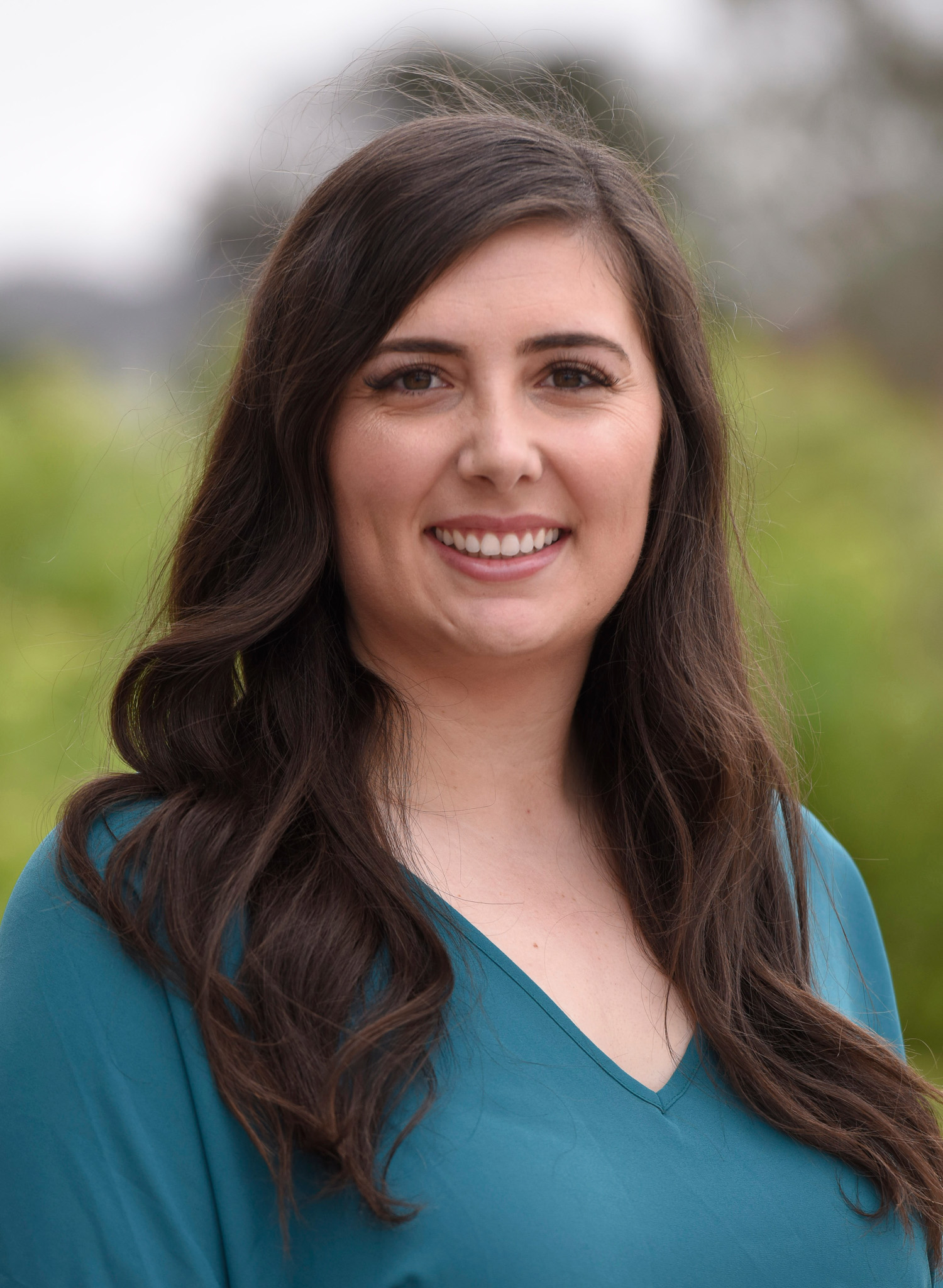
Jasmine Philips Meertins, LinkedIn Profile

Overview

Dr. Jasmine Phillips Meertins is an assistant professor in the Department of Communications at California State University, Fullerton, teaching digital foundations and public relations courses. She holds a B.A. in political science from Yale University, an M.A. in international affairs from George Washington University, and a Ph.D. in communication from the University of Miami. Prior to working at CSUF, Dr. Phillips was an assistant professor at Nevada State College, teaching courses such as Public Relations Campaigns, Case Studies in Public Relations, and Social Media. She was also a Director of Education Abroad at Virginia Commonwealth University and Assistant Director of Study Abroad at the University of Miami, where she led marketing communications to promote international program participation. Dr. Phillips conducts research at the intersection of communication, culture, and media, utilizing both quantitative and qualitative methods. 

During our interview, we focused on Dr. Phillips’ research study, “Institutional Relational Maintenance Barriers and Perceptions of Relationship Quality Among Women With Incarcerated Partners,” which she conducted with her colleagues, who are also scholars with different academic backgrounds. The study highlights how institutional barriers in the prison system affect the relationship quality of women whose male partners are incarcerated. The research focuses on how these barriers impact women’s emotional connections and perceptions of their romantic and co-parenting relationships. Through both quantitative and qualitative methods, Dr. Phillips and her colleagues found that these barriers contribute to women feeling emotionally distant from their partners.

Q: What inspired you to explore the impact of institutional barriers on relationships of women with incarcerated partners?

This research opportunity came about when a colleague of Dr. Phillips, who works in the criminal justice field, approached her with the idea of collaborating on a research project. Dr. Phillips, a scholar in communications, and her colleague recognized the potential for a collaborative approach to studying issues at the intersection of their two fields. They began brainstorming ideas to find a topic where communication and criminal justice issues overlap. They identified an area of interest: how institutional barriers can impact relationships in the criminal justice system. They specifically discussed how communication challenges within the prison system affect relationships between incarcerated partners and their families. This collaborative process allowed them to develop a unique research topic that combined their expertise, leading to the study of “Institutional Relational Maintenance Barriers and Perceptions of Relationship Quality Among Women With Incarcerated Partners.”

Q: What were the demographic characteristics of your study sample, and how did you select participants?

For her study, Dr. Phillips focused on a predominantly female sample. The critical criteria for inclusion were that the participants had to be non-incarcerated women in a romantic relationship with an incarcerated male partner. Additionally, the women also had to have a child with their incarcerated partner. Dr. Phillips did not exclude participants based on age, race, or other demographic variables. The study aimed to capture diverse experiences and perspectives among women navigating relationships with incarcerated partners by maintaining this broad inclusivity. The study allowed for a more comprehensive understanding of these women’s challenges and relational dynamics.

Q: What specific data collection methods did you use to gather information from participants?

Dr. Phillips and her colleagues did not collect the data for this study. She explained that, as a researcher, she had initially assumed she would always gather her own data. However, she learned that in some cases, researchers analyze pre-existing data rather than collecting it firsthand. Dr. Phillips and her colleagues used data from a broader research project focused on incarceration, parenting, and partnership. Gaining access to interview people who are incarcerated or those visiting jails and prisons can be challenging, so they analyzed the interviews the original study conducted. Overall, learning that analyzing existing data was an option was an important insight for her research approach.

Q: Can you describe the process you went through to develop your survey questions? How did you ensure they accurately captured the participants’ experiences?

Dr. Philips discusses the limited control she had in developing the survey questions, which were primarily close-ended, allowing participants only three response options. She emphasizes that in the field of social sciences, complex variables like attitudes, perceptions, and feelings can make it challenging to verify the accuracy of participant responses. By using close-ended questions and Likert scale options, however, the survey design simplified data collection and analysis, providing a more straightforward approach to gathering responses across these nuanced variables.

Q: Why do you prefer qualitative research over quantitative?

Dr. Phillips notes her abilities to be limited in numbers. Therefore, she prefers qualitative research because it enables a more in depth exploration of complex issues. While she acknowledges the strain that a barrier like incarceration could create on interpersonal and romantic relationships, she believes that the emotions and personal stories exist and are important to outline through qualitative methods. She also appreciates the human aspect of qualitative research, it values the meaningful conversations that reveal the participants’ genuine emotions and feelings.

Q:What challenges did you face during the research process, particularly in collecting or analyzing data?

She describes that sometimes you start out with a research question and it doesn’t yield the anticipated results. Initial questions can oftentimes not align with the data that is collected. Dr. Phillips notes that researchers may “reverse engineer it”, by coming up with the results they want and then go on to asking the question. What she and the team did was look at the data set and analyze it in different ways with the hope of uncovering a distinction. Generally, there were certain variables they found not to be significant at all which would result in omitting them or refining the research question in order to understand the data from a different angle.
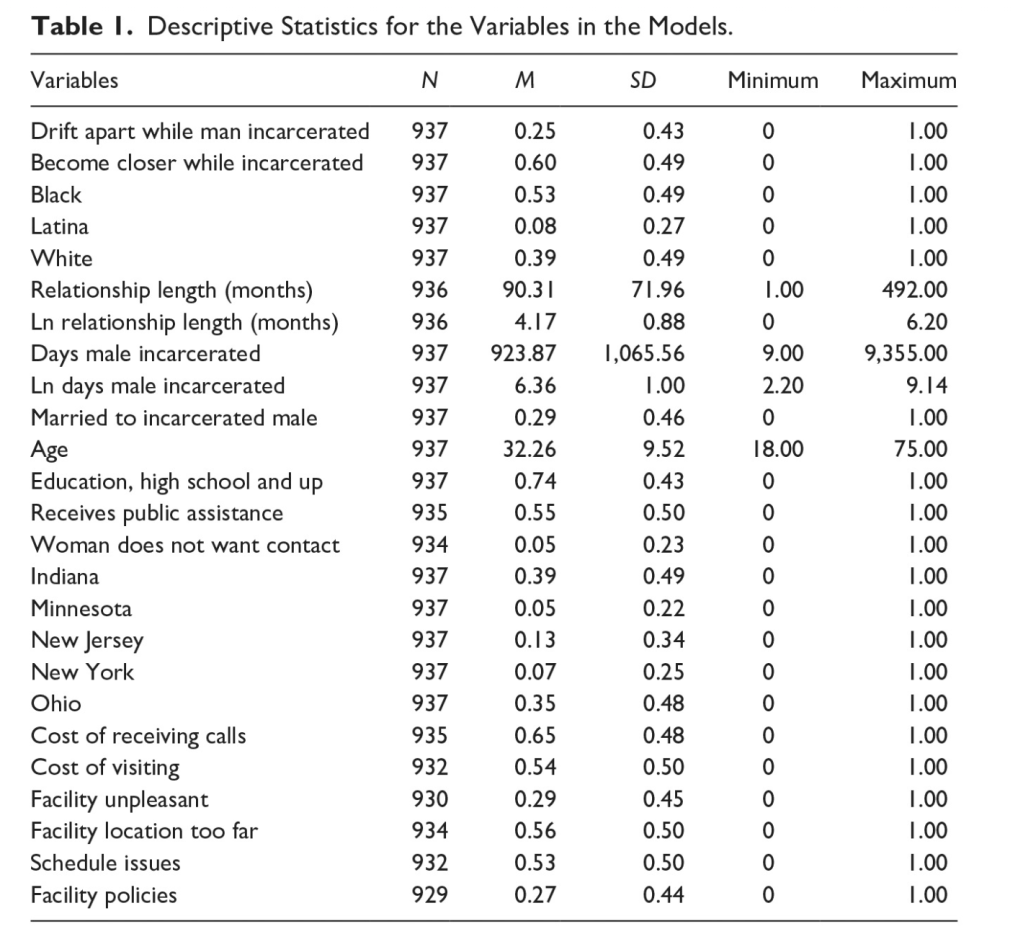
Phillips Table #1 :Statistical Data
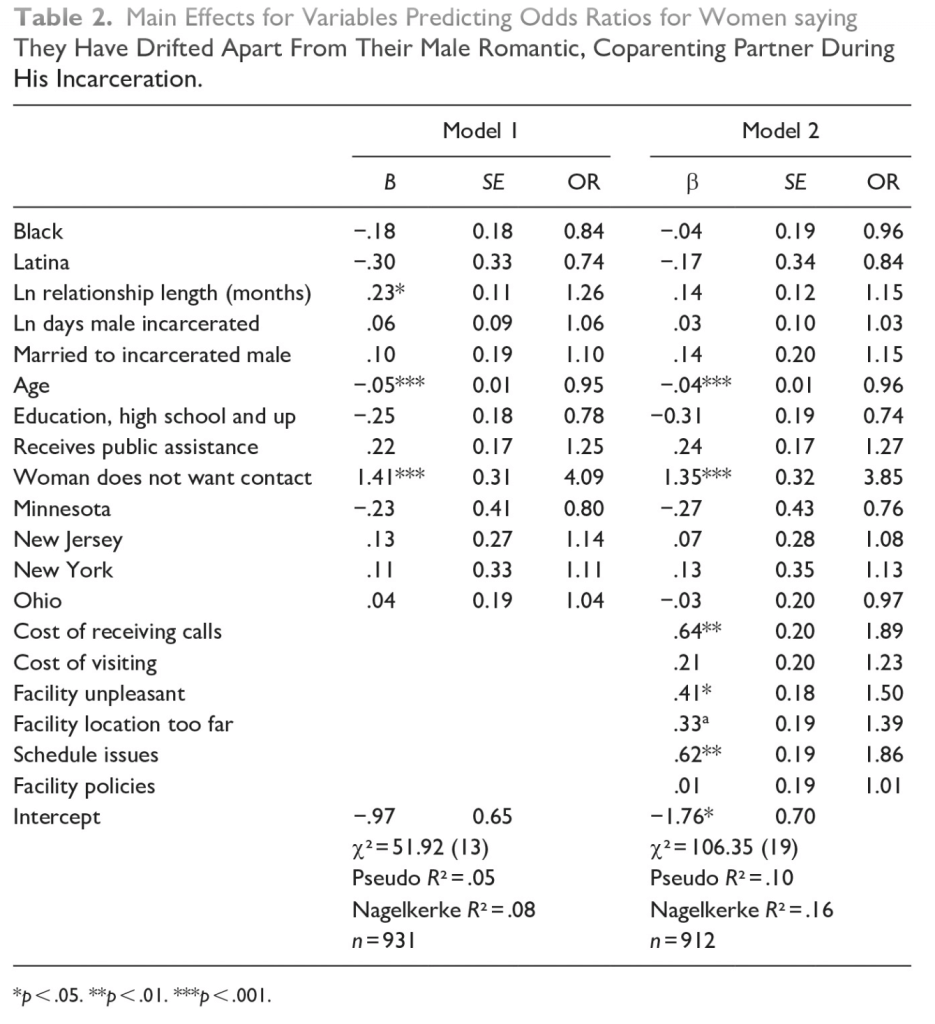
Phillips Table #2

Q: Did you encounter any limitations with your data collection methods? How did you address these limitations in your analysis?

As Dr. Jasmine Phillips mentioned in the interview, one limitation of this study is that the data used was quite old between 2008 and 2014. This made the data less relevant and less applicable to current situations. Dr. Jasmine Phillips also pointed out that this is a quantitative study. There was no way to follow up with participants to clarify or further explore their responses. This made it challenging to understand the reasons behind participant’s answers. In addition, Dr. Jasmine Philips emphasized that the study was a snapshot of one day. It was difficult because it didn’t allow her or her colleagues to track participants from the beginning of their relationships or observe how their views might differ before or after. Dr. Jasmine Phillips concluded her answer by mentioning that this was a longitudinal study and would have been insightful with more varied data.

Q: What specific challenges did the participants identify as most significant in maintaining their relationships with incarcerated partners?

Dr. Jasmine Phillips highlighted that while phone access in prison is often seen as a basic issue, it is a significant problem. Many prisons still restrict phone access; when it is available, the cost is astronomical because two or three companies control it. She continues to say that this burden falls heavily on the families outside, particularly on the primary person with income, such as often being women who are also responsible for taking care of children and planning visits. Dr. Phillips added that she supports free phone calls for prisoners and mentions that maintaining contact through these phone calls can play a crucial role in preserving relationships.

Q: How can the study findings help create better support or programs to help women communicate and maintain their relationships with incarcerated partners?

Dr. Jasmine Phillips pointed out that the high cost of phone calls for prisoners harms both relationships and society. While it benefits corporations, it certainly doesn’t help the individuals or families involved, especially when we live in a period where you can easily talk to someone halfway across the world for free. She emphasized the absurdity of continuing to restrict prisoners’ access to communication, as they are already incarcerated and facing numerous challenges. She continues to mention that several states, including California, have begun to address this issue. She believes this is an important issue to pay attention to. 

To Conclude…

Dr. Jasmine Phillip’s research highlights how prison-related barriers like expensive phone calls hurt relationships between women and their incarcerated partners. These challenges often create emotional detachment between families, resulting in a loss of connection. Dr. Phillips states that making communication affordable or accessible would help these relationships flourish. As states across the country, including California, begin to address this issue, many families have hope that there will be a better support system for prisoners and their families.


Full Interview with Jasmine Phillips

Dr. Kressler “Learning Are Way Through Critical Development For social Justice”

By: Aaron Clayton and Justin Tenorio

My partner and I had the honor of interviewing Dr. Benikia Kressler. Our interview was about an article she published titled “Learning Our Way through” Critical Professional Development for Social Justice in Teacher Education. During our interview, we not only got to see her results from the study she did involving faculty members. But also, how as an educator in one of the largest universities in the country, she noticed we teach in a culturally, experientially, and ideologically diverse context. And like her colleagues nationwide, they bear witness to the tensions and traumas associated with the current U.S. political climate.

Continue reading “Dr. Kressler “Learning Are Way Through Critical Development For social Justice””

Dr. Elise Assaf on Journalistic Representations of Mental Health

Daisy Ledezma, Yashlyn Villarrubia, Cecilia Wang

When Professor Assaf was in Cal State Fullerton, her major was undeclared, so going into education in communication was not her intention. She knew that she had an interest in writing, design, journalism, and advertising. It was in her advertising class where she learned about public relations. Her dad was not thrilled when she found her interest in public relations and told her to get her masters. She was working in the public relations industry while doing her masters. She realized that working in the classroom felt right than working in the field. The drive was there but also, she had a job where she hated it so it solidified her decision. When she told her advisor that she was interested in teaching, her advisor told her a couple classes in which Assaf started teaching in Comm 446.

For her doctorate program, she did not feel like any of the programs felt right to her but eventually she was put into disability studies because she wrote an essay that focused on the impact of mental health in college students which led her into the education problem. Prior to her research, she had not looked into mental health or disability but found interest in it. Assaf found connections in media studies with mental health and disability

Read More: Dr. Elise Assaf on Journalistic Representations of Mental Health

Q1: What made you choose the topic of mental health for your research?

Professor Assaf shared that the topic of mental health is very personal to her as she has been diagnosed with depression and anxiety at different points of her life. Her family members as well have been diagnosed with mental health diagnoses including schizophrenia. She is well versed on what it is like to experience it and that created an interest in better understanding the other side of it. She talked about when mental health topics are brought up in tv shows or movies she always pays close attention to why and how it is being brought up. She also pays attention to the stereotypes and storylines that are brought up with it. She always wondered where stereotypes came about since her brother’s diagnosis of schizophrenia because the first thing people would ask her is if he was “dangerous”, which was not the case for her brother.

Another part that went into her choosing mental health for her research paper was because she felt that newspaper articles were a decent entry for this area of academia. They were easily accessible and easy to create copies of them to code on her computer. In doing that she came across a statistic stating, “6 out of 10 people don’t read beyond a headline.” It shows how people’s lives are being changed about a topic without very much information about it.

Q2: In your research you cover representations of mental health in online newspaper articles from 3 national publications; the Washington post, the New York times, and USA today. How did you narrow down just to those three outlets?

Her study is a multisite case study which is intended to be a deep dive for each of publications. In order for there to be enough data it had to be more than one online news publication. She initially intended it to be east coast, west coast, and middle America situation. However, this bigger study was done as her dissertation, so she had a committee, a chair and two committee members. One of the committee members was married to a health care reporter at the LA Times which meant that she would have had his articles in her data set which was a conflict of interest leading her to readjust. She found the data on the top ten national publications in the United States, and she went from there.

Q3: How did you decide on conducting qualitative research with this topic? Do you prefer it over quantitative?

Not being a fan of numbers herself, Assaf took a qualitative research approach to her research. Assaf talked about preferring stories, language, and context when looking at information; qualitative research made that available to her. Allowing her to dig deeper, she could tell a larger story in her research with her data.

Q4: Your research paper has many different sections and is very detailed. How long did it take you to conduct your research from start to finish?

Assaf began her research by identifying what publications she would be focusing on and proceeded to create parameters for her data set. Parameters included how many articles she would be reviewing as well as the length. Her research surrounds newspaper articles, which are accessible by the article; she had to particularly keep an eye out for collection dates when reviewing articles. After an initial submission, she was urged to continue her research to find more information and draw a more valuable conclusion. After more research and new qualitative techniques in practice, she finished her research. The entire process totaled about a year and a half, not accounting for publication and editing.

Q5: When collecting your data, how do you go about which data is worthy of including into in your study?

It’s necessary to collect all the data that qualify and code everything. Assaf mentioned that you shouldn’t be biased in your study because it’s problematic. Even in the end of your coding, the end result can be nothing remarkable and seems like common sense but the way you did everything in a methodology way proves your findings better. It just means if you need to make any changes in the future.

Q6: You used coding during your research, how did it benefit your findings?

Professor Assaf mentioned how it was necessary for her qualitative research to use coding. If doing interviews, you’ll eventually use coding for the findings and it’s important to use data as it is useful when doing research.

Q7: What made you focus on news outlets specifically, instead of say, social media platforms?

At the time she was in a class her first year of her doctorate program and the statistic that she stated previously regarding 6 out of 10 people don’t read beyond a headline lead her to begin a pilot study in that class which is where her interest began. Another reason she chose news outlets was because they are publicly accessible while social media posts tend to more questionable and tend to be private or blocked. She shared that she does find social media interesting and has since then looked at research involving social media, at the time it made more sense to go the journalistic route. She believes that journalists are considered gatekeepers as they are knowledgeable about the things, they are writing about which gives a lot of weight to give in to what they are writing and publishing. The impact it can have on audience members can be significant with understanding what they are communicating.

Professor Assaf’s research is fundamental now, where headlines are prominent. With mental health being a less taboo conversation than times past, it is important that the media communicates and has this conversation with its audiences appropriately. Instead of actively pushing the relationship between aggressor and mental health through head-turning headlines, the stories being told mustn’t be misrepresenting the individuals.

Psychological Reactance and its Relationship with Advertising Frequency – Robert Meeds Interview

By Jordan O’Garro, Anais Sanchez Luis, Kayla Coye, & Pravin Ko

The conversation we had with Professor Meeds regarding his study highlights significant shifts in the dynamics of online advertising since 2007,  driven by the rise of social media, personalized advertising algorithms, and the popularization of mobile internet browsing. Contextual advertising, which was not popular in 2007, has become the norm, powered by cookies and personalized algorithms that tailor ads to individual interests and behaviors. While this has raised privacy concerns, it also means that ads are more likely to be relevant and engaging to users. Professor Meeds explained how the use of mobile devices in accessing online content has transformed the advertising landscape. With more users viewing ads on mobile devices, advertisers have had to adapt their strategies to suit smaller screens and shorter attention spans. This shift requires more concise and visually appealing ad formats to capture users’ attention effectively. For the psychological perspective, there may not be significant differences in how individuals process online ads compared to 2007, the context in which they encounter these ads has evolved. Users are now used to receiving personalized content tailored to their interests and behaviors, which may influence their expectations and responses to advertisements. Overall, the relationship between social media, personalized advertising algorithms, and mobile internet browsing has altered the way online ads are created, delivered, and consumed. Advertisers will continue to refine their strategies to adapt to these changes, understanding the psychological factors influencing users’ responses to ads remains important for effective advertising campaigns in the digital age.

Conducting the interview with professor Meeds gave us more insight on the perspectives around the transitions of information processing of advertisement. There has been a remarkable difference between the dynamic of advertisements from 2007 to 2024. The study he conducted with Li C has shown that out of the three examinations exposure conditions, psychological reactance, and advertising frequency, psychological reactance exposure restricted an individual’s freedom to control invasive ads. It has been tremendously affected within all age groups due to the advancement of technology. Many users including older groups have now generated a sense of internet use which allowed them to encounter psychological reactance.  Thus, likely increasing a poor reaction to the ads. The reaction to ads can affect internet users by age. Meeds argues that individuals who are more psychologically reactant might get more pronounced with age. During the time the study was conducted, older users found being interrupted by advertisements had driven negative responses. However, individuals of all age groups have differences in which they would perceive ads. One critical influence of these advertisement placements can lead to a more positive response. For example, in the study more conditions of exposures appearing in favorably areas can lead to better responses. The first examination, exposure conditions would lead more to positive responses. The study indicated that ads presented in the interest of the individual showed that they were less evasive and favored by the individual and likely getting exposure to the ads. With evolution of technology the dynamic of information processing has shifted towards all age groups in adapting to draw in users that’s not as evasive.

Interviewing Professor Meeds regarding his research revealed insightful perspectives on how online advertising has evolved. Specifically, the increasing concerns over privacy and data security. He highlighted the growing array of options available to regulate exposure to ads, such as adjusting settings and utilizing ad blockers. Using this method has led to significant drop in ad visibility. He noted that people who are more likely to experience psychological reactance could find advertisements extremely bothersome or intrusive, especially if they are exposed to them frequently. This observation implies that when individual worries about privacy grow, they might take more aggressive measures to protect themselves from unsolicited advertising, which could have an effect on how effective online advertisements are. Another crucial point of this shift was lack of ads regulations. Since the study was carried out during a time when effective control was lacking, Professor Meeds emphasized the necessity of strong regulation in the field of online advertising. This lack may have contributed to a sense of annoyance among consumers. Furthermore, he highlighted the importance of balancing advertising strategies with consumer preferences and privacy concerns. Overall, integrating both of the factors can result in an effective online ad.

Meeds highlights in this interview the slow re-TV-ification of streaming services and how ads appear on some streaming services, even if it’s a service you pay for. However, since people have come to expect little to no ads to pop up on their streaming services, it can have a negative effect on the population’s psychological reactance. In the past, ad breaks were common and many would be upwards of 2 minutes which you don’t see a lot of these days. And because people had come to expect these breaks they would use the time to go grab a snack or go to the bathroom so they never missed a second of the show they were watching. The emergence of streaming services has allowed for people to now binge their media on demand and when that gets interrupted, people who are psychologically reactive may react negatively because they are in an environment where they aren’t expected to be interrupted and yet it happens. He also discussed that the future (and frankly the present) of digital media will begin to be dominated by mobile advertising. He warns that because so many ads are now running through mobile devices, more and more research on information processing through the mobile advertising experience must be conducted. He also suggests that there is new research coming out that people’s attention spans have generally gotten shorter since the original study was conducted so that tendency to get sidetracked must also be taken into account if research was to be conducted in today’s landscape.

Psychological Reactance: 10 Examples ...

In conclusion, this interview helped our group understand the psychological reasoning and background for the shift in what is considered normal media and advertising consumption activity. As we see a rise in what some may call “screenagers” or those who are too attached to digital devices and are unwilling for that connection to be interrupted, Meeds’ research should be used as a warning that the phenomenon of psychological reactance could easily be shifting through to the younger generation.

Our Meeds Interview

Unburdening Mental Health: Dr. Elise Assaf on Media Portrayals

By London Geban and Dave Christian Gammad

We had the pleasure of interviewing Dr. Elise Assaf, an assistant professor specializing in public relations and entertainment within the undergraduate communications program at California State University, Fullerton. Dr. Assaf holds a Ph.D. in Education from Chapman University, an M.A., and a B.A. in Communications from Cal State Fullerton, combining her academic pursuits with a diverse professional history in public relations. Her research focuses on media representations of mental health, using qualitative methodologies such as content analysis and critical discourse analysis to investigate how language influences public perception. Dr. Assaf’s professional journey includes significant roles in public relations and media campaign management across various sectors, including healthcare, real estate, and lifestyle, enriching her knowledge of the dynamics of media influence. We explored her 2020 publication, “Mental Health as a Burden: Journalistic Representations of Mental Illness on Family, Society, and the Individual,” which examines the portrayal of mental illness in major media outlets and its broader social implications.

Before discussing with Dr. Elise Assaf, we carefully selected seven questions to delve into her insightful study on mental health depictions in the media. We wanted to understand the motives behind her research focus, precisely her technique for evaluating many documents using tools like NVivo. Our questioning also focused on the important themes she highlighted and how they influence the public image of mental health in media. In addition, we were interested in the implications of her results for journalism and media portrayal. Our goal was to understand the overall principles and the thorough methods underpinning her study to better understand how media narratives influence our perception of mental health concerns.


Q1: What inspired your focus on portraying mental illness in mainstream media, and why was critical discourse analysis chosen as the method?

Dr. Assaf stated that her interest in exploring the portrayal of mental illness in mainstream media was influenced by her personal experiences and family members with mental health issues. When she enrolled in her doctoral program at Chapman University, which offered a concentration in disability studies, she observed that much of the research conducted by her peers was centered around physical disabilities and autism. Although these areas were extensively researched, they did not align with her research interests.

Motivated by an increased focus on mental health discussions within the academic community, Dr. Assad recognized a niche that resonated with her experiences and presented a gap in the existing research landscape. This combination, she stated, offered a rich vein of inquiry that could yield both personal and academic fulfillment over the long term, which is crucial given the extended duration of such studies.


Dr. Assaf’s preference for critical discourse analysis as a research methodology stemmed from her interest in textual analysis. This methodology gave her access to various publicly available documents that could be meticulously categorized (coded) and analyzed. She emphasized the importance of language and narrative in affecting the public’s perceptions and framing societal concerns. Dr. Assaf employed critical discourse analysis to look further into the linguistic and contextual components of how mental health is portrayed in media to uncover nuanced insights that could substantially contribute to the field.

Q2: You stated that the critical discourse analysis method was used to analyze 197 articles. Could you share some challenges you encountered while analyzing this large set of articles and how you overcame them?

Dr. Assaf underscored the importance of methodical planning and organization when analyzing a large set of articles, such as the 197 articles she examined in her study. She emphasized the variety in article length, which ranged from a few paragraphs to several pages, requiring a systematic approach to coding and analysis. Despite the challenges posed by abundant content, Dr. Assaf found the task feasible due to implementing a robust coding system from the start.

She pointed out the need for a transparent coding system to help streamline data analysis. This initial groundwork supported a more efficient analysis workflow and assured that she could efficiently explore the material. Dr. Assaf also acknowledged the iterative nature of the analytic process, mentioning occasions where she went back and revised her coding approach based on feedback from her committee members.

In addition, Dr. Assaf highlighted the importance of preserving the integrity of the data collected, particularly in the context of online sources where links might become obsolete or articles can be altered after publication. To reduce these risks, she emphasized capturing and documenting data in its original format, preventing alterations or deletions that might compromise the study’s conclusions. Dr. Assaf’s insights shed light on the thorough planning and attention to detail required for large-scale content analysis investigations.

Q3: We saw you used the software NVivo to analyze your data. Could you share how such tools facilitated your research process, particularly in organizing and analyzing the data?

Dr. Assaf found NVivo, a widely used data analysis software, invaluable in her research process. She emphasized its usefulness for basic coding and organization of research materials. While NVivo offers some quantitative analysis features, Dr. Assaf’s study primarily focused on qualitative aspects, making NVivo an ideal choice for her needs. She noted the software’s ability to centralize information, allowing her to easily navigate different research components.

Despite relying on NVivo for initial coding, Dr. Assaf discovered Excel to be more effective for specific tasks during the later stages of her analysis. This unexpected discovery underscored the importance of flexibility and adaptability in research methods. Even with her limited expertise in Excel, Dr. Assaf was able to leverage its capabilities effectively, demonstrating the value of simplicity in research tools.

Q4: You mentioned six emerging themes in the Abstract section, including ‘mental health as a burden.’ How did you distinguish between themes and determine which ones were most important for your study’s focus?

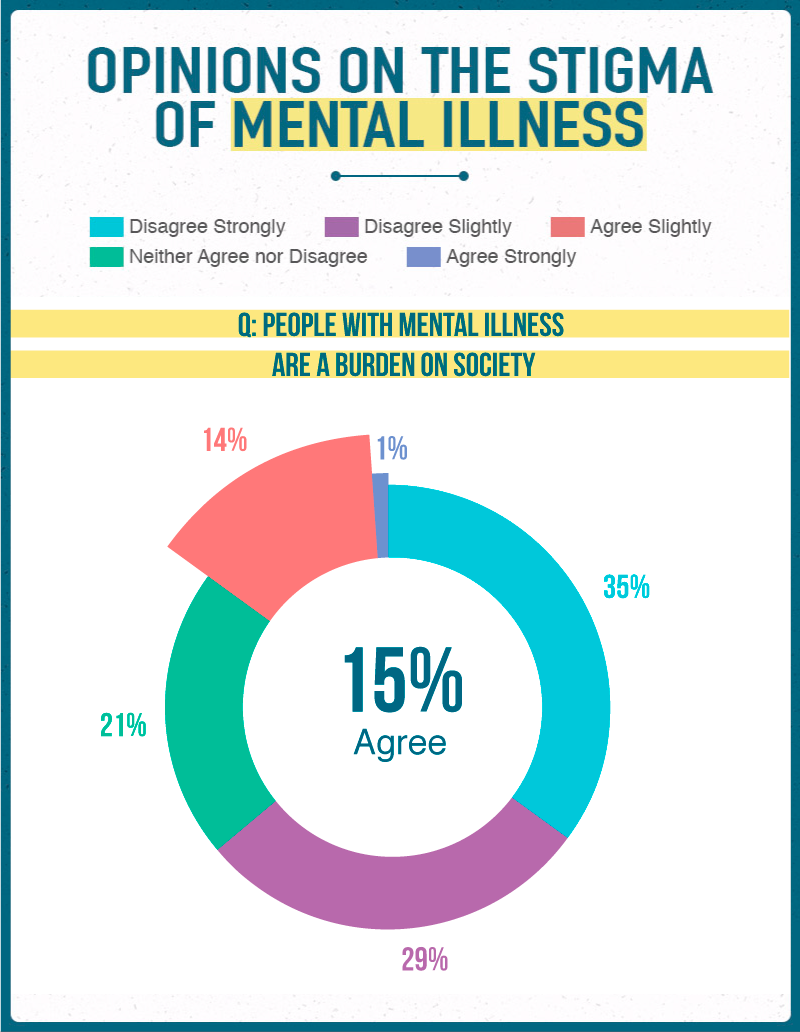
The stigma of mental illness. MentalHelp.net. (2023, May 17). https://www.mentalhelp.net/aware/the-stigma-of-mental-illness/

Dr. Assaf described identifying and prioritizing themes in her research as multidimensional. She noted that the emergence of these themes stemmed from her dissertation, in which a deeper investigation generated six distinctive themes. To ensure clarity and concentration in her research, Dr. Assaf chose to go deeper into the topic of ‘mental health as a burden,’ recognizing its potential importance in academic discourse. This conclusion was based on her sense of a gap in existing research, with this particular element warranting further inquiry.

In determining the importance of each theme, Dr. Assaf emphasized the need to contribute meaningfully to the field while addressing relevant gaps or underexplored areas. By focusing on ‘mental health as a burden,’ she hoped to shed light on a subtle facet of mental health portrayal that has received insufficient attention in previous studies. This strategic approach was consistent with her goal of improving scholarly understanding while providing insights that may impact public perceptions and media practices.

Q5: Having reviewed your research study and its findings, it becomes clear that journalists, particularly those in major publications, greatly influence public perception, especially regarding mental health. Based on your insights, how can journalists and media outlets enhance their portrayal of mental illness to promote a more inclusive and understanding narrative?

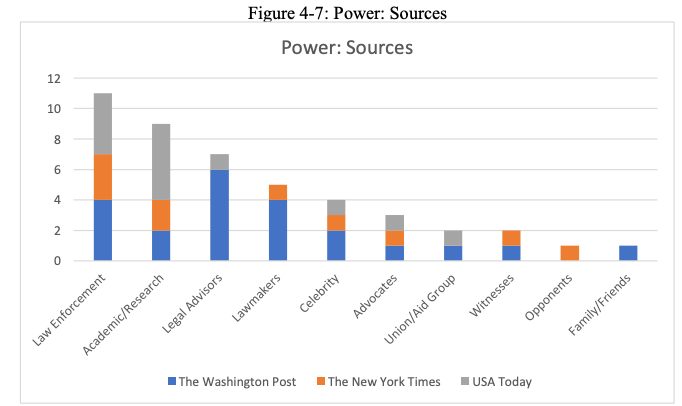
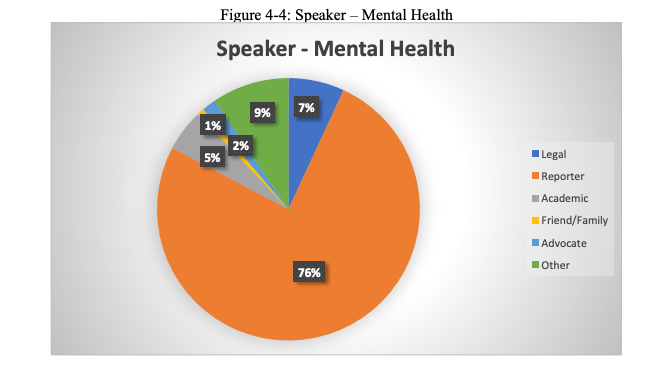
Dr. Assaf emphasizes journalists’ influence in shaping public perceptions, notably through intensive research and interaction with mental health medical professionals. However, she points out a potential flaw in this technique. While stereotypically authoritative sources may be trusted by the general public, they do not always provide a balanced or truthful picture of specific themes. For example, she highlights a trend in popular media to rely mainly on interviews with incarcerated people, resulting in an overemphasis on this particular narrative. To address this imbalance, Dr. Assaf proposes focusing on more positive tales of people living with mental health disorders. By broadening the narratives provided in the media, debates around mental health can become more nuanced and inclusive.

The stigma of mental illness. MentalHelp.net. (2023, May 17). https://www.mentalhelp.net/aware/the-stigma-of-mental-illness/

Q6: Many publications are now digital-oriented platforms, with some even dropping print publications, excluding individuals who are not digitally skilled and have limited accessibility. How do you see that change within social media and digital platforms influencing mental health narratives, and what research opportunities does this shift bring for examining the media’s involvement in stigma and awareness?

Dr. Assaf acknowledges the societal trend towards digital content, which technical developments have assisted in technology. However, she emphasizes the need to consider the issues of migrating from print to digital formats, particularly when condensing material for social media platforms. This condensation can result in a lack of essential context, as shown in the spread of abbreviated viral quotes or clickbait keywords, which can spread problematic narratives to a larger audience than traditional print media. While it is widely acknowledged that social media has become ingrained in society, the emphasis is on improving media literacy to solve these difficulties.

Q7: For students and early-career researchers interested in media studies, what advice do you have for undertaking similar research projects?

Dr. Assaf recommends that future researchers and scholars understand the time commitment and long-term nature of conducting and gathering studies. Finding a topic interesting enough to conduct an extensive investigation can be very helpful. She warns of potential obstacles such as outdated and questionable publications, niche unpopular studies, or filling in the empty voids of results. Time management and genuine interest can generate and maintain innovation within the research sphere.

Please feel free to watch the full interview below!

Unburdening Mental Health: Dr. Elise Assaf on Media Portrayals

Interview With Professor Pete Evanow, and Ford Bronco: The Original SUV.

By Sergio Alvarez, Jordan Hawley, Nathan Carreon, Nicholas Karoglu

Professor Pete Evanow, M.S

 Its a privilege to interview someone like Professor Pete Evanow, a professor at California State University, Fullerton (CSUF), who brings over two decades of expertise in teaching within the College of Communications. With a focus on writing for advertising, Professor Evanow has been a full-time lecturer for 23 years, offering invaluable insights into the dynamic world of marketing and communication.

Read More: Interview With Professor Pete Evanow, and Ford Bronco: The Original SUV.

During our conversation, Professor Evanow shared his wealth of experience gained from working in advertising for motorsports, racing teams, and notably, Ford Motor Company. His hands-on involvement in crafting campaigns and strategies for these high-profile entities has provided him with a deep understanding of effective advertising techniques that resonate with audiences.

In addition to his teaching and industry experience, Professor Evanow founded his own advertising company in 1996, specializing in marketing Nissan’s high-performance parts. This entrepreneurial venture further enriched his knowledge of the advertising landscape, giving him a unique perspective on both corporate and independent advertising endeavors.

A notable achievement in Professor Evanow’s career is the recent publication of his third book, titled “Ford Bronco.” This accomplishment underscores his commitment to thorough research and data-driven storytelling, essential skills in the ever-evolving field of advertising.

Throughout our interview, Professor Evanow’s passion for advertising and dedication to fostering a new generation of communicators shone through, making our discussion both enlightening and inspiring. His blend of academic knowledge and real-world experience makes him a valuable resource for anyone interested in the art and science of advertising.

Ford Bronco: The Original SUV by Pete Evanow

Q: How did you conduct research for Ford Bronco: The Original SUV?

Professor Evannow first started his research for this book by diving deep and learning more about the original Ford Bronco released in 1966. He learned that the Bronco car became a part of Fords agenda in 1962, and he was even fortunate enough to have a meeting with one of the original designers of the Ford Bronco which he was able to learn all the minute details about when Ford originally wanted to produce an SUV for commercial purposes. The rest of Professor Evannow’s research came from analyzing the Ford Motor Company’s extensive historical archive which he stated was really easy to access, and had deep information for him to analyze. All in all he conducted his research by scheduling interviews, meeting numerous Ford Motor Company representatives, and analyzing Ford’s historical archive.

Q: What hardships did you face when researching for Ford Bronco: The Original SUV?

Surprisingly when researching for this book Professor Evennow did not face a big number of hardships, except for acquiring permission to use certain images in the book. For example he stated that he wanted to use some photographs from his personal favorite films but the price the film studios were asking for so that he could use those photos however he pleases was way out of his budget. So his solution to this hardship was just to use the website known as Gettyimages.com which is a service that allows users to use photos free of charge, and Professor Evanow was even able to get some of photos from his favorite films to use for the book thanks to this service. He even donated some photos of Ford Bronco users that wanted to be featured in his work free of charge. Fortunately for Professor Evennow this was the only hardship he had to face while researching for this book.

Q: Why do you think Ford decided to bring back the bronco? How did they justify bringing this vehicle back? 

When asking this question I expected to hear about statistics,surveys and in general research on how Ford was able to justify bringing the Ford Bronco back. Though the answer I received was quite simple, because people wanted them. The Ford Bronco was discontinued in 1996, due to a change in consumer wants and needs. Ford brought back the Ford Bronco in 2021, after years and years of constant asking Ford provided. Professor Evanow, having worked at Ford, seemingly knew the Ford Bronco would return one day, as American consumers were slowly demanding a large off-road vehicle that wasn’t a Ford truck. This is one of few cases where much research did not have to be done to justify a large business expenditure, as the hype of the Ford Bronco was already there. 

Q:With Gas Prices on the rise, is there a decrease in sales of the Ford Bronco?

I assumed with the high cost of gas prices, this would impact the sales of the Ford Bronco. Professor Evanow stated that high gas prices did not impact the sales of the Ford Bronco in the slightest. There were no details provided, though he once again stated that the hype and tension surrounding the return of the Ford Bronco was simply overpowering any financial doubt that a consumer would have besides the cost of the vehicle. Professor Evanow also stated that this is only a California issue with high cost of gas prices, as California has the highest tax of gas in the country. 

Professor Pete Evanow, author of the book Ford Bronco: The Original SUV, shared some fascinating insights that shed light on his personal and professional journey with this iconic vehicle. Our conversation began with a reflection on another legendary car, the Shelby Cobra. Evanow clarified that although it’s technically a sister company to the Bronco, there’s an intriguing connection. His book’s co-author was named after Carroll Shelby, which illustrates the intertwined legacies of these classic American vehicles.

When asked why he chose to write about the Ford Bronco, Evanow revealed a personal nostalgia linked to his own experiences. “I owned a Bronco back in 1992,” he confessed, expressing regret over selling it. He noted how, over the years, the Bronco has not only maintained but increased in value. A testament to its lasting appeal and durability. This personal history with the Bronco clearly fueled his passion for the subject, making the book not just a professional project but also a personal homage to a beloved classic.

Despite the book only being published two weeks ago, Evanow was eager to discuss its early reception. He hasn’t received direct feedback from readers yet but shared his excitement about the book’s positive trend on Amazon. This early indication of interest suggests that his work resonates with both long-time enthusiasts and new fans of the Bronco, highlighting the vehicle’s enduring legacy in American culture and automotive history. Evanow’s reflections provide a unique glimpse into the world of automotive writing and the personal connections that often inspire it.

Our Interview with Professor Pete Evanow

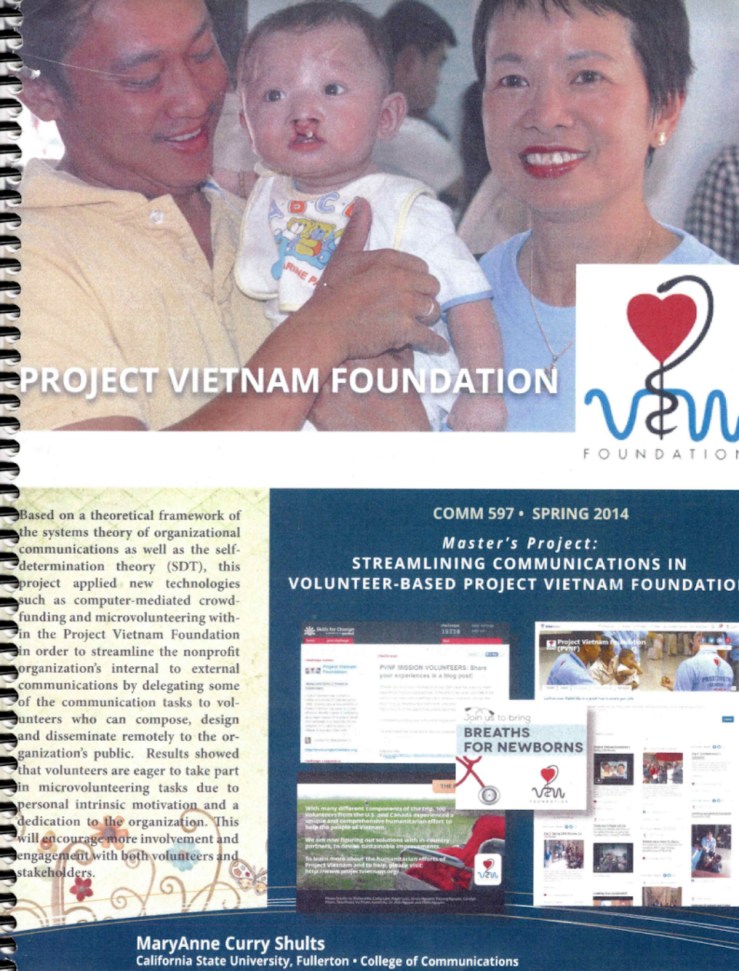
Interview with MaryAnne Curry Shults on Streamlining Communications in Volunteer-Based Project Vietnam Foundation

by Valery Medrano-Ruano, Natalie Carreon, Crystal Ramirez, and Kimberly Aranda

image of MaryAnne Curry Shults

Recently, we had the pleasure of interviewing Professor Shults an adjunct lecturer at Cal State Fullerton in the Department of Communications. She is also an associate professor of journalism at Saddleback College and has experience working in web design and media relations. Professor Shults’ research focused on her study of micro-volunteering and her journey of gaining home-based volunteers for the “Project Vietnam” Foundation.

Continue reading “Interview with MaryAnne Curry Shults on Streamlining Communications in Volunteer-Based Project Vietnam Foundation”

Interview with Dr. Bey-Ling Sha on “Is it still a women’s issue? A study of work-life balance among men and women in public relations”

By Brianna Faucher, Alyssa Sanchez, Alyssa Silfa, Benji Hernandez, and Makayla Orona

Dr. Bey-Ling Sha, CSUF Webpage

About Dr. Sha

Dr. Bey-Ling Sha received her undergraduate degree at Purdue University majoring in communications where she specialized in public relations. She then earned her masters at the University of Maryland majoring in journalism where she mostly worked in public relations followed by earning her doctorate’s degree at the University of Maryland majoring in mass communications with an emphasis in national public relations. After finishing her studies, Dr. Sha worked at the US federal government in public relations for the census bureau for roughly five years. During her last three years at the bureau, Dr.Sha taught public relations at the University of Maryland where she later went to California State University, San Diego. There, she worked for 15 years as an assistant professor for public relations in conjunction to directing the school of journalism and media studies. Her last year at San Diego State she became the Associate Dean of the College of Professional Studies and Fine Arts. Since July 2019, she has been thriving as the Dean of Communications at California State University, Fullerton.

Read More: Interview with Dr. Bey-Ling Sha on “Is it still a women’s issue? A study of work-life balance among men and women in public relations”

Q1: What first got you inspired to participate in the research of this study of “work-life balance” within the Public Relations field?

Her research primarily focuses on identity and how it interacts with public relations. She divided her research into three categories: “identity as a means of segmenting in relations with a basis in racial and ethnic identities”, “public relations people”, and “how public relations practitioners play a really important role in articulating the identity of organizations themselves”. The research for this article pertains to her focus on people within the public relations field.

Q2: What was your role in the making of this research article?

Dr. Sha goes on to say how the research article encompassed a compilation of a lot of other research. The article was published in 2008 which made it challenging for Dr. Sha to remember the details but nonetheless confirmed that she made sure that the work the other authors had been citing of hers was in the correct format and context. She emphasized that her role in the making of this study was not as significant as some of the other authors.

Q3: When it comes to gender roles, how does this transpire in the workplace especially in regards to women and minority men?

There are so many things yet to be researched but we do know in PR for gender it is unfair. Women are inherently face more difficulties. For instance, when asking for a raise compared men, women are much more likely to receive pushback or less of an increase. Dr. Sha goes on to state:

“Women could never catch up, women are working more technician roles than janitorial. No matter how much experience you have, it could be the same experience or same amount of education women still earn less than men”, 

but still receive unfair treatment in the workplace with respectable positions. The gender pay gap is one of the most persistent trends found in the workplace and continues to manifest.

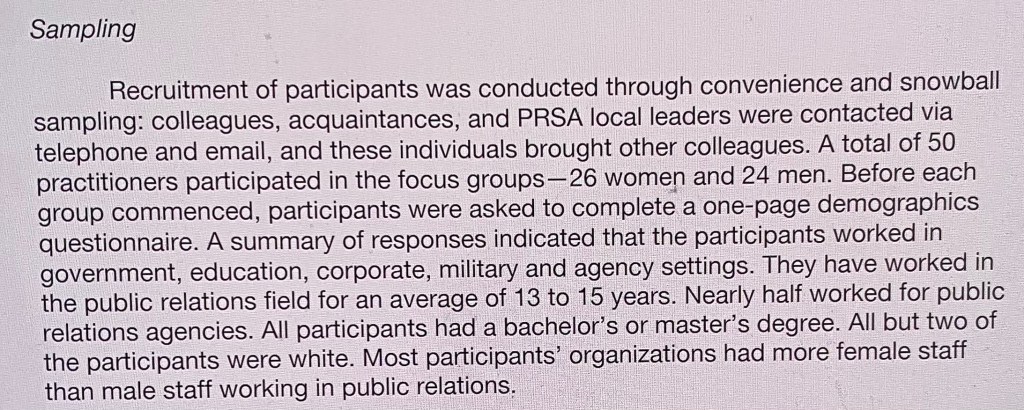
Q4: Reading the study, the focus groups were conducted based on gender and geographic locations. What would you have done differently in the sampling process to be more intentional with adding participants of different domestic statuses and ethnic backgrounds? I imagine it plays a big role in work life balance if the participant is single, married, married with kids, or a single parent, and their ethnic background, so how would you diversify the focus groups, taking these things into consideration?

An excerpt from the sampling section of our referenced study

In a modern study, Dr. Sha brings to mind that we would need to consider factors outside of biological gender, for example, trans-gendered, intersex, and non gender conforming individuals. Essentially, she implies that since the study was conducted, a more nuanced definition of gender has come about that must be applied to present-day gender studies. To put this to action, Dr. Sha would ask participants to identify their gender and look at gender as the basis, but also look at gender by different classifications, such a race, or ethnic backgrounds. The downside to conducting a study with an extended amount of intersectionality is that there is much more data to be collected by each of the intersecting demographics. This would require a larger respondent pool making the data more difficult to analyze, therefore making it difficult to develop an accurate conclusion. Dr. Sha also shares the downside of using focus groups in this kind of study as people may feel less comfortable sharing parts of their identity with the group. However, since we have more resources, such as zoom, we can conduct focus groups easier and among people of different geographical locations at lower costs than before.

Q5: Is there another research method that you believe could have aided the study more?

When asked if there is another research method that Dr. Sha believes could have aided the study more, she mentioned that based on the previous questions and answers it depends because research, especially now that we are in the digital world, has inspired the idea of survey research on phones and computers making it easier and cheaper. When conducting research, Dr.Sha and the team had to mail, and buy postage, which overall was time consuming. Dr. Sha suggests that doing a digital survey like SurveyMonkey that are convenient and give better access to data, would have been beneficial. Today, surveys that are electronically mailed to participants are much more efficient in saving time and energy.

Q6: It seems as though women face low-self esteem in the workplace. What have you noticed to be the trend and how does it impact minority men as well?

Demand characteristics happen when you say something you think you and others will want to hear. This can be an issue whenever you conduct a focus group.  

People assume women have no confidence. Confident women get judged in a different way from confident men. It’s usually looked down upon when women openly display their confidence and typically gets judged a being full of herself whereas a man may be cheered on for his ability to believe in himself.

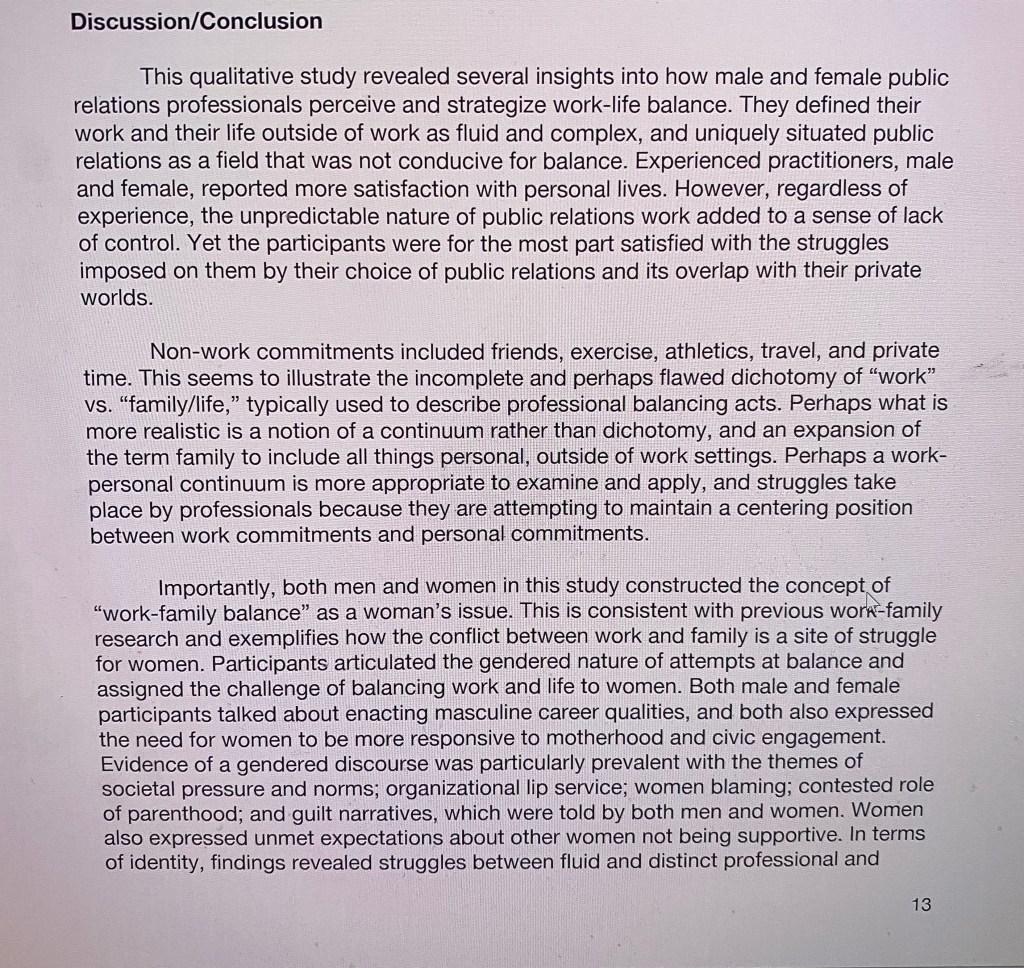
Q7: To wrap up this interview, in the discussion/conclusion section of the study it stated that “the findings of the study suggest several opportunities for future research.” Would you want to pick up this study again in the future?

An excerpt of the conclusion of the study referenced

Enthusiastically, Dr. Sha said she would love to pick up this study as the research for this article was conducted 15+ years ago. Although open to the opportunity, juggling Dean of Communications at CSUF and other admirable matters there does not allocated enough time for her to collect data on this topic. She presented a question back to the audience stating who else has done the research on the particular topic and to research them on their recent data. With confidence, Dr. Sha, talked about how she is sure that others have picked up this area of study but would love to compare the results from when this study was conducted to now. It is vital for there to be current data on the balance of work-life and how it affects men and women in Public Relations.

View our full interview with Dr. Bey-Ling Sha

Advertising in Children’s Media: Should children be exposed to advertisements?

By: Bill Hoang, Berenice Torres, Cassidy Casillas, & Kiera Drew

Our group had the opportunity to conduct a Zoom interview with Professor Heather Osborne-Thompson, an Associate Professor of Television Studies in the Department of Radio-TV-Film at California State University, Fullerton. She teaches critical studies of television, writing about television, and children’s television. She has written Children’s Media, a piece about advertising in children’s media. She talked about how advertising in children’s television shows affects both children and their parents.

Read more: Advertising in Children’s Media: Should children be exposed to advertisements?

What initially drew you to pursue a career in academia, particularly in the field of communication and media studies?

Professor Osborne-Thompson was originally an English major with a concentration on Journalism. During her time in undergraduate school, she was also an editor for a college newspaper, writing most of the film reviews, and she had an interest in music. She imagined herself to be a journalist who wrote about the arts but was unsure . Then she went back to graduate school at USC and took a class that was focused on television. Her dissertation was about women comedians in American television during the 1950s. She did not get into children’s television until teaching at Cal State Fullerton. That was 16 years ago and she continues to teach every year. TV studies are good to know what’s happening at the moment. She also mentioned that television and films are now harder to discern due to the digital age. 

Source: The Authentic Comedian

Was there a specific moment or event that inspired you to focus on the impact of advertising in children’s TV programming?

With advertisements in children’s television, the effects are more focused with social sciences. Although she is not a social scientist herself, her mentors from graduate school were and helped her combine the two schools of thought. Parents do not want their children to watch advertisements for a variety of reasons but it is also a way for audiences, in this case children, Her studies focused more on television instead of advertising but the two topics do coincide often. 

Have you done any research with advertising in general or only children’s television?

She studies more on how television functions rather than advertising. Writing about Outlander, a historical drama, she noticed there was a lot of critical discourse about the cheesy romance genre and how it was written for women. The fans had their own discourse about what the show means for its audience. 

What drove you to publish your findings on this topic? Was there a particular goal or objective you aimed to achieve through dissemination?

As professors, we have a requirement to publish findings. I found a group of scholars to work with. I published a piece on different approaches to children’s television. It was part of a special issue in a journal focused on the influence of feminism and feminist scholars. It was a great chance to work with people in the community.

Have you observed any trends or changes in the nature of advertising in children’s TV over the years? 

“A lot of the space is integrated.” There were always Saturday morning time slots where children would watch the show and the advertisements were integrated into the programs. Online spaces like social media have more prominent efforts in trying to reach their child audience. Lots of the trends are driven by early adopters and how they promote certain products. She admits that she does not watch as much television with her child as she used to so it is harder to notice trends. Advertising has become more subtle now that streaming is more prevalent. She has switched over to streaming services instead of watching cable television.

As seen in Figure 2, viewers have strangely accepted the long advertisements instead of paying for an ad-free service.

Source: Marketing.brew

Since cord-cutting, what have you noticed about streaming services compared to television?

When showing examples of show programs in her class, the advertisements do play and she is surprised that the advertisements seem to have gotten longer and you cannot skip them. She says the prolonged waiting is irritating but they are entertaining and try to cater to whoever is watching.

What are some potential long-term effects of exposure to advertising during childhood and adolescence that parents worry about?

It makes people aware of what they want but children are not as savvy about how much stuff costs. Adults are able to break down advertisements. Denying the child’s request and ending the conversation is one way parents can diffuse the situation. Advertising is pretty sophisticated and especially for children.

How did  you recharge and rejuvenate when faced with academic or research-related challenges?

She takes a step back or talks to other students she knows. CSUF faculty can join writing groups at the Development Center so she can get help with the other group members. She states the feedback other people give is helpful.

Looking back on your journey in studying children’s television, what are some key lessons or insights you’ve gained along the way?

I have learned it’s good to focus on the students and where they fall, generationally speaking. She is still trying to figure out how to understand the students’ perspectives. One of the biggest lessons was the great deal about child development and shifting norms in representation. She stated the best examples came from her students. Another lesson she learned was the way programming has changed over the years. She notes that the programming is always changing and hard to track sometimes.

Overall, parents should be aware of the advertisements that are targeted towards their children. Advertisements are becoming more subtle so parents need to teach their children to think more critically when seeing advertisements on social media.

Full Interview

Psychological Impact of COVID-19 on Hispanic/Latine, Asian, and White USA College Students

By: Briannda Escobedo, Ethan Tandya, Jennifer Bui, Samantha Luu
Eric Cortez, Ph.D. Student, Cal State Fullerton

We were interested in Dr. Mori Lisa’s research on the Psychological Impact of COVID-19 on Hispanic/Latine**, Asian, and White USA College Students research paper. As students, we care about the overall well-being of our peers and the psychological effects of COVID-19 on other college students. Upon reading the article, we were excited to contact and hoped to interview Dr. Mori about the study. Unfortunately, she had fallen ill and could not attend the interview. However, she redirected us to her research assistant, Eric Cortez, and we were able to ask him about his contributions and thoughts about the study.

On Thursday, April 4th, 2024, we had the privilege to conduct a Zoom interview with California State Fullerton alum Eric Cortez. He was a graduate research assistant who assisted Dr. Lisa Mori with her research on the psychological impact of COVID-19 on college students in the United States. Eric is attending the University of Los Angeles and pursuing his Ph.D. in Health Psychology, and this study was one of his introductory research experiences that led him into the field. 

Continue reading “Psychological Impact of COVID-19 on Hispanic/Latine, Asian, and White USA College Students”