The Media’s Concern Over the Change to Electric Vehicles

By: Ashley Hernandez, Alyssa Velasquez, Jordan Avila, & Mary Hicks
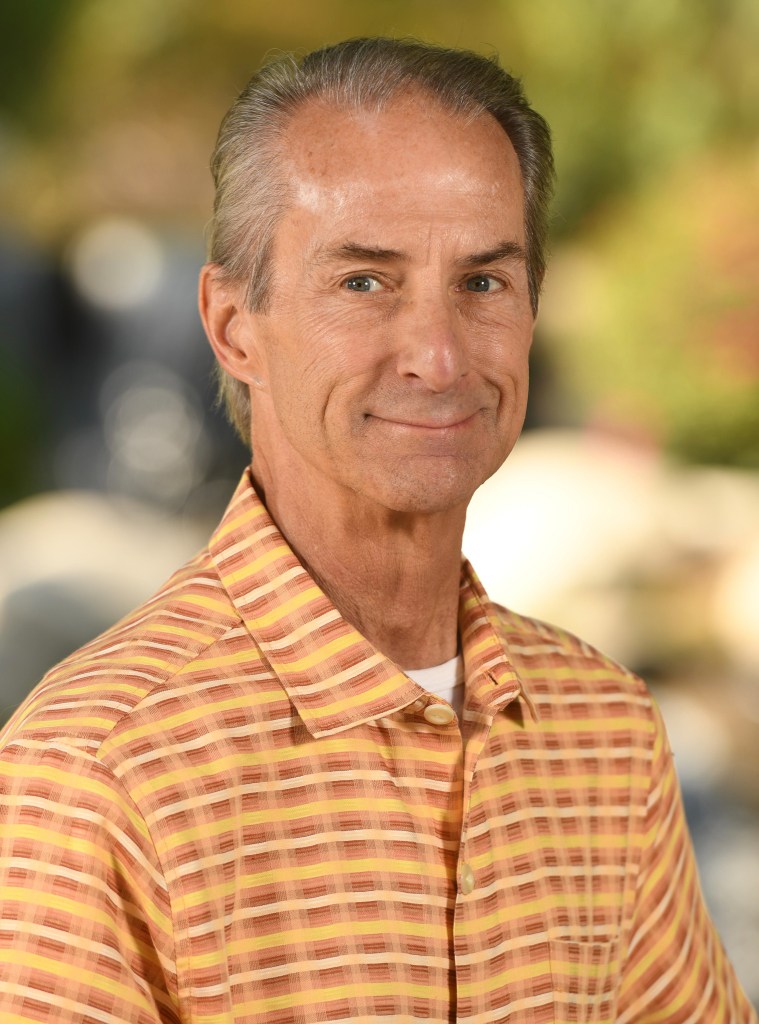
Professor Peter Evanow, Cal State University, Fullerton

Our team had the opportunity to talk to Professor Peter Evanow. He has written Nissan Z: 50 Years of Exhilarating Performance and Ford Bronco: The Original SUV. He talked to us about the current changes happening in the automotive industry, why the media is concerned about these changes, and what these companies should be doing to reassure their customers.

Professor Pete Evanow has been a faculty member at California State University, Fullerton for 23 years. Before his teaching career, Evanow worked in the Automotive industry for 20 years in racing automotive marketing, promoting different products for car companies such as Ford and Nissan, and co-owned an Advertising agency from 1996 to 2006. He explains that cars with an internal combustion engine (I.C.E motors) need oil to operate. The scarcity of oil in the United States leads to high gas prices and produces carbon emissions that pollute the air. Since the early 1990’s, electric vehicles made their debut with the EV1. The vehicle’s purpose was to produce less carbon emissions to improve air quality and save money on gasoline. He later added that Elon Musk’s debut with the Tesla vehicle model, helped electric cars gain more popularity, this also means that there are a lot more competitors today. Evanow said the main reason why the media has its concerns about the vehicle or is against all electric-running vehicles is because people are afraid of change. The majority of consumers are already accustomed to gas-powered vehicles and are comfortable. Professor Evanow commented that there will be a force of change in the auto industry with California stating that there will be no more I.C.E motor cars sold after the year 2023, but consumers will still have the choice to drive the automobile of their choice.
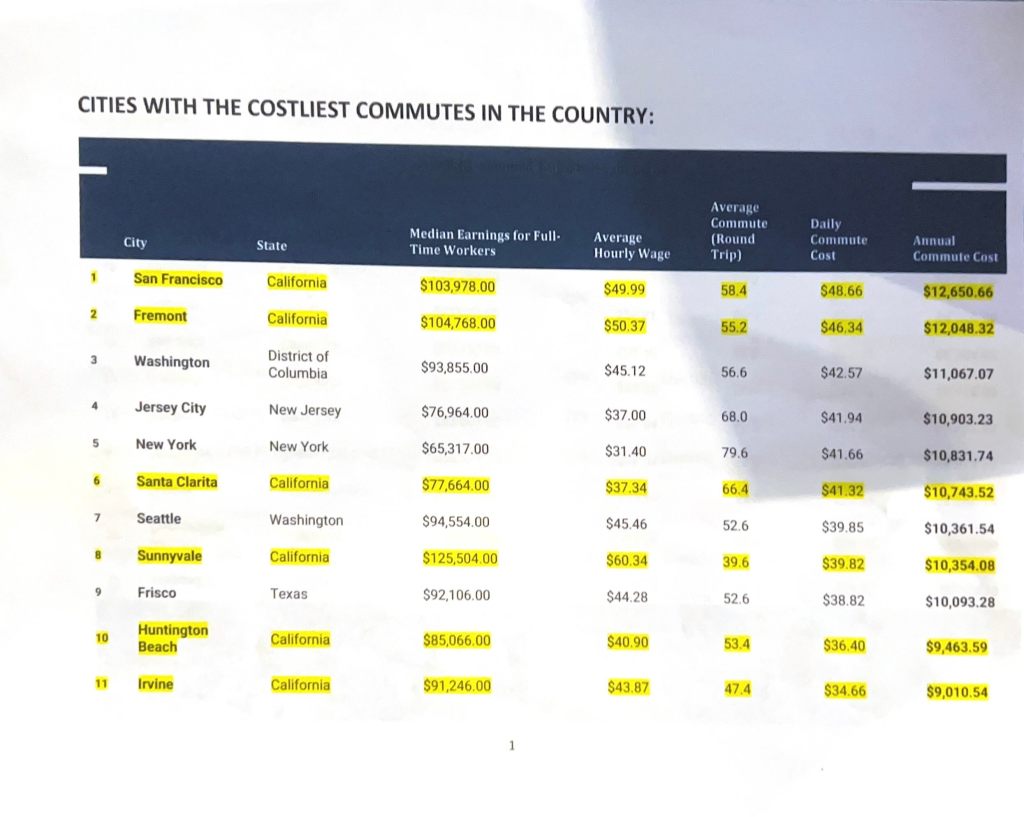
Courtesy of Chamber of Commerce

Electric vehicles are not only beneficial due to it helping the environment but it also benefits college students by offering the use of the carpool lane for a certain period of time. CSUF has a lot of students that commute to campus so this would be an incentive that can lead to students developing an interest for this type of car. However, the reason why students have not made the switch yet is partly because CSUF does not have enough charging stations on campus. So students with EVs would have to go look for a charging station outside of campus. Additionally, a student will, most likely, not be able to afford the current price of an EV. Evanow explains that more marketing needs to be done in order for more people to be willing to switch to electric cars. He explains that they should be marketing to people in their 20s because he believes that it is important to have them on their side since their opinions are the ones being spread around the internet. They also need to work on gaining people’s trust. As mentioned previously, a lot of people do not want to switch to EVs because they already got used to their ICE vehicles so these companies have to find a way to gain people’s trust. Evanow suggests that some sort of web page where current EV drivers explain how this type of vehicle has benefitted them so that it reassures that it would be good to switch to an EV.

Evanow is in a unique position to share his perspective on the winds of change currently sweeping across the industry. With his vast experience, developed throughout his career while marketing that included working with major players in the market like mentioned before, Ford and Nissan, which offers insight into the changing nature of the sector. Evanow’s broad experience in marketing includes promoting a range of products, including those that are sponsored by esteemed events such as NASCAR and Indycar racing.

Although the switch from internal combustion engines (ICE) to electric power has received extensive media coverage, Evanow highlights the many issues that this change brings with it. The automotive industry is changing quickly, necessitating large public and private investments to promote greener transportation and reduce air pollution. These changes are largely driven by funding programs like the Clean Air Retrofit Program (CARP), which are acknowledged as being necessary for a cleaner environment and more sustainable transportation options.

Building consumer trust, doing constant feedback and evaluations, and stepping up marketing efforts are the three main things that Evanow sees as being essential to the ongoing transition. These elements are essential to persuading a larger population to use electric vehicles (EVs). As the future leaders of the automotive industry, younger generations should find the marketing tactics flexible and engaging. This generation holds the power to influence the success of companies by shaping products and services that align with their evolving needs and preferences.

The transition of the automobile industry to electric vehicles is not without its share of difficulties. While most people agree that EVs are better for the environment, there are many challenges in the way of a full transition. Since people are inherently averse to change, the switch to electric vehicles (EVs) may be seen as a major one. Mentioned previously, California’s transformation plan for requiring that gas-powered vehicles be removed from the market by 2030 just shows how strongly the state is firing for a cleaner environment. It’s crucial to remember that internal combustion engines (ICEs) and gas-powered cars are still common on our roads despite this requirement. This suggests that a significant portion of the population remains tethered to their conventional vehicles. The appeal of EVs is clear, as they produce zero emissions and contribute to a cleaner environment. However, it’s also evident that people will continue to drive gas-powered cars, underscoring the challenge of this industry shift.

Furthermore, a closer look at the college campus scenario reveals an additional layer of complexity. With the lack of charging infrastructure on campuses, it makes for a difficult transition into students’ lives regarding electric vehicles . To expand on the inconvenience of seeking charging stations outside of campus compounds the issue, we must discuss deterring potential EV owners. The incentive of using carpool lanes, which is a significant advantage for commuters, is not enough to offset these challenges.

As Evanow notes, to convince more people to switch to electric cars, companies must address these concerns. Marketing strategies must be more robust and adaptable to cater to the demands of the younger generation, fostering trust and reducing costs. This evolving landscape demands that the automotive industry find innovative solutions and adapt to consumer needs. The future of the automotive industry will likely see bigger companies absorbing smaller ones, and the road ahead will be marked by substantial changes and challenges as it moves toward a more sustainable and electric future.
Interview with Professor Peter Evanow

Interview with Jasmine Phillips Meertins about HIV Prevention in the Mayan Population in Guatemala

By Clara Oscarson, Victoria Field, Isabel Martinez, Sarah Mendoza

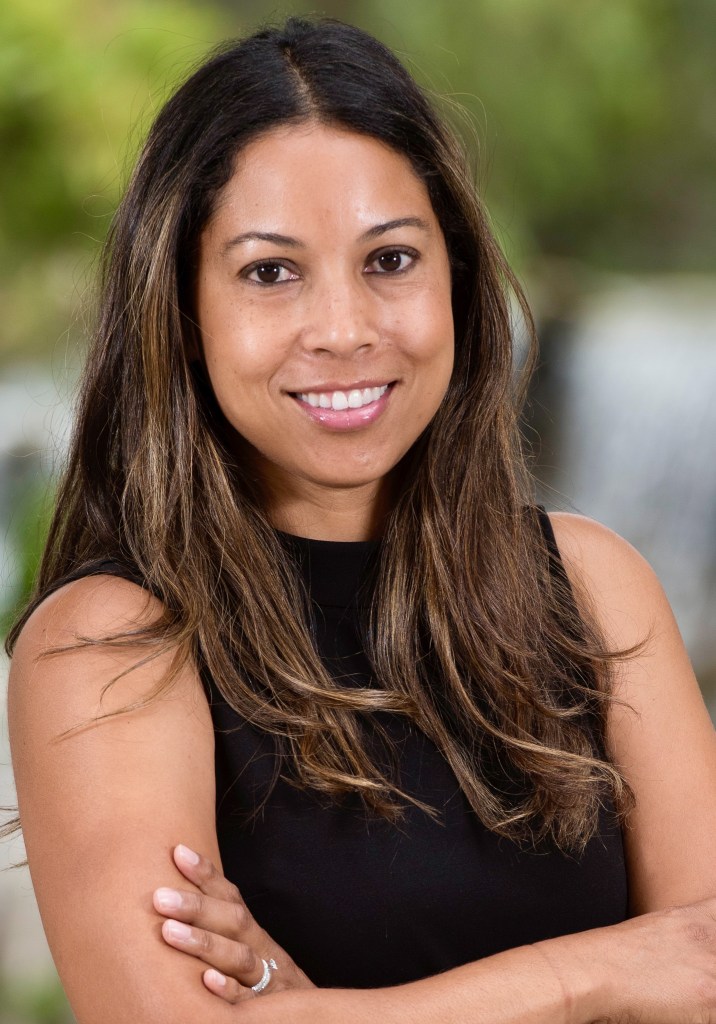
Jasmine Phillips Meertins, CSUF webpage.

Read more

On October 25th, we had the pleasure of meeting and speaking with Jasmine Phillips Meertins, an assistant professor in the Department of Communications at Cal State Fullerton. Previously, she taught public relations courses at Nevada State College and held administrative roles at Virginia Commonwealth University and the University of Miami, overseeing international program marketing and communication. Dr. Meertins’ research focuses on developing culturally competent public health campaigns, notably creating awareness about HIV among youth in the Mayan town of Santiago, Guatemala. She spoke to us about this specific research project regarding HIV Prevention: Engaging Mayan Young Adults in Rural Guatemala. By asking a series of questions on this topic, our team was able to better understand the process and experience of conducting communication research studies. 

Q: What made you choose to research the topic of HIV prevention in the Mayan population in Guatemala?

Dr. Phillips was granted an opportunity to work on this study while pursuing her graduate studies. She was eager to participate as it encompassed aspects such as travel, multilingual interactions, working with underrepresented communities, and public health, all topics that resonated with her. Additionally, she was attracted to the idea of working with a Spanish-speaking community in a predominantly Spanish-speaking country and exploring a relatively unexplored topic within that particular demographic. 

Q: Why did you choose to use community-based participatory research and the health belief model to guide your research?

Community-based participatory research was used as Dr. Phillips and her team deemed this type of research a “natural fit”. Her team did not choose the type of research first; they decided to speak with the local stakeholders and community leaders to gain more knowledge of what their main concerns were. After this occurred, the researchers sat down and went through the list of research types and models. Community-based participatory research made the most sense because it used a popular approach in which researchers establish that they are from outside of the proposed community and do not know the values, culture or what approach works best towards curing HIV. Researchers also establish that they are there to work together to come up with a solution that is sustainable in this particular community. 

Q: When trying to recruit people for this study, why choose to put out radio announcements and flyers throughout the town as opposed to other forms of communication? In your opinion, was this method effective?

Dr. Phillips recalls that the Guatemalan community did not have the same technology as they did in the U.S. Phillips also mentioned they did not have access to the internet or television, so putting out advertisements in those mediums would not have reached their target audience. While there might not have been much access to TV and the internet, the research team found that most young adults had access to radio, so the researchers put advertisement placements through the radio as well as having a variety of flyers posted around the community in hopes of attracting young adults to participate in the study. These forms of advertisements would prove to be successful as they were able to find participants for the study; however, Phillips mentioned that they found the best way to reach possible participants was through word of mouth and wishes they reached out more through that medium.

Q: Was there any preliminary research done before going into this study that you had to conduct?

When going into this study, Dr. Philips stated that she and her fellow researchers had done basic research into the community in which they were conducting their study. For example, they looked into the typical education status of the population, the types of jobs held by the population, and how prevalent HIV was within different Guatemalan communities. Phillips stated, “I think a lot of it we learned on the ground because there was no way to know; there wasn’t a lot of information.” due to the lack of information about HIV in Guatemala. However, the information they could do preliminary showed the most prevalent communities in Guatemala with HIV, allowing the research team to focus their study on those communities.

Q: Why did you and your research partners choose to collect qualitative data as opposed to quantitative data?

“We decided to do qualitative because it’s what my partner and I felt the most comfortable with,” Dr. Phillps stated. All the data from their research was mostly qualitative because they mainly focused on the feelings aspect rather than the numbers. This was because you couldn’t really go into depth with numbers but you can with interviews and different people’s attitudes. 

Q: Can you point out your independent clause and dependent clause from your research?

In most research studies, there is typically an independent variable and a dependent variable however, in this particular study, there is neither. “It was more experimental and qualitative, so there wasn’t necessarily one variable that was dependent on another,” Dr. Phillips explained. She explained that any variables there are within the study are not dependent on another. In this case, the researchers were trying to gain more knowledge about HIV prevention within Guatemala.

Q: How did you decide on your population and sample to conduct your research?

During the interview, Dr. Phillips stated that when deciding on the population, her and the other researchers decided on Guatemalans. However, for the sample, they chose young adults from ages 18-25 years old. They decided on this age range because they wouldn’t have to deal with getting permissions for people under 18 years old and they figured those ages would be the most receptive to the new information about HIV. The team also needed to receive permissions from different governments so they decided to not add to that. The age group ended up being beneficial because they were the group with the second highest rate of HIV and her team could help prevent them from becoming the highest-rated group. 

Phillips’ first table for phase one of her qualitative study.

Phillips’ second table for participants’ responses from interviews.

View our full interview with Jasmine Phillips Meertins.

Comm 410 Interview with Dr. Phillips

by Nathan Villasenor, Natalee Gonzalez, and Olivia Williams

The communication scholar our group chose to interview was Jasmine Phillips. She has a PhD in communications and is a professor here at Cal State Fullerton. The published study we decided to interview Dr. Phillips on was “A Community-Based Approach to HIV Prevention: Engaging Mayan Young Adults in Rural Guatemala“. Dr. Phillips and her team conducted their research in Santiago Atitlán, which is located in the Sololá state of Guatemala. They were inspired to do their research specifically on the Mayan people in Guatemala because they represent 40% of the country’s population and account for 20% of their HIV cases. An interesting point of this study was that, even though the rates of HIV within the Guatemalan community were growing, they were still very low. This led the research team to work backwards to justify the use of the population. The Mayan people have a lack of HIV knowledge and extremely limited access to medical treatment, making them vulnerable to a potential outbreak. The research aimed to raise awareness about HIV within their community.

Read more

A conversation with Doctor Henry Puente

By: Addison Waugh, Sarah Frazier, Ian Augustine, and Caitlyn Eng

Doctor Henry Puente, Cal State Fullerton

Recently, our group had the opportunity to sit down with Communications Professor, Dr. Henry Puente, as a part of our term project for our Principles of Communications Research class with Professor Du, and we were able to survey him about his book “The Promotion and Distribution of U.S. Latino Films”. In our interview, we discussed the relationship between media and Latino films, as well as how the rise of media in the 21st century has affected the entertainment industry.

Dr. Puente’s extensive communications research and experience within the entertainment field made him an excellent candidate to interview. He has been an associate professor at California State University, Fullerton since 2006, teaching a wide variety of classes such as Principles of Entertainment and Tourism, and Writing for Broadcasting and Film. The time he has spent in the field has allowed him to see the rise of media, especially social media, and its effects that it has in the entertainment world. Our conversation with him allowed us to view this topic through a different lens,  and understand how someone with more experience views the media and its presence in society. : A conversation with Doctor Henry Puente

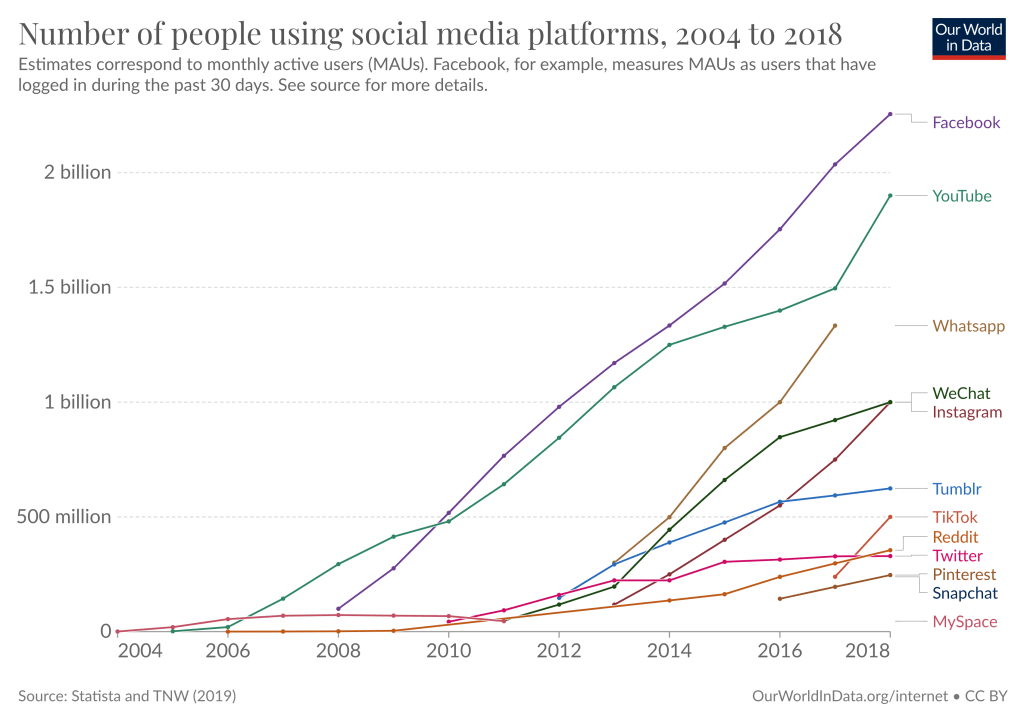
Dr. Puente has worked in many different fields of entertainment such as radio programming, reality TV, film distribution, and special events organization. Prior to being a professor at Cal State Fullerton, he mentioned that social media did not have an impact on his career. This is likely due to the fact that the rise of social media began in the late 2000’s and early 2010’s. Although Facebook had been developed for some time, albeit just for college students, media giants such as Instagram or LinkedIn gained traction later. When asked if he thought social media would have made a strong impact in his field of work had it been around, he said he thought that it would have had a positive effect.

In today’s society, the media plays a big role in interpersonal relationships. When asked about whether it is more beneficial or harmful to these relationships, Dr. Puente stated, “I think of social media like a hammer. It can be used as a tool to build or it can be used as a tool to destroy.” The impact media has on someone depends on the way in which it is used. Our group strongly agreed with that point, with members offering their own contributions stating how they had seen people have a falling out with social media. Sarah Frazier mentioned, “Many of my friends feel burnt out from the constant overbearing quality that social media has, and have taken it upon themselves to delete their accounts for their own mental well-being.” Upon hearing this comment, Dr. Puente laughed and stated that he couldn’t believe people in college would delete social media willingly, but that he hoped it would spark a change for the better. 

“I think of social media like a hammer. It can be used as a tool to build or it can be used as a tool to destroy.” 

Dr. Henry Puente

In his research focused on U.S. Latino films, Dr. Puente mentioned that social media hasn’t helped Latino films generate popularity. “They are marginalized in society which also means they are also marginalized in social media. Anything that starts out marginalized is hard to get traction in social media.” This was an interesting notation to point out, as the group hadn’t previously considered this. However, they agreed with Dr. Puente, and that in the future more social media and networking could be done to make the voices of this group louder and more prominent in society. 

In the ethnic film market, Dr. Puente mentioned that U.S. Latino films are not quite at the level of African-American films when comparing them in terms of success and traction. However, within the last century, there has been a societal shift towards introducing more inclusive entertainment films. With the right strategies and investments, there is potential to make significant strides in the industry. Examples, such as box office hits ‘Coco’ and ‘Encanto,’ have found success, and although Dr. Puente is correct in stating that U.S. Latino films are lagging behind African-American films, we can see that there is a beginning. As the field continues to evolve and diversify, it is evident that the Latino film market has room to grow. 

USC Annenberg

In the classroom setting, Dr. Puente has begun to see the impact of media on schoolwork, specifically in declining attendance and grades. The members of this group, unfortunately, agreed with this comment, with many of them stating that they find it harder to concentrate on one thing for a prolonged period of time. Dr. Puente mentioned how students’ attention spans seemed much shorter, and even in a 90-minute lecture, many of his own students struggled with paying attention. 

When asked about any recommendations he may have  on creating a healthier environment for social media users, Dr. Puente stated, “When you hold a bunch of dust in your hand and you blow it and you want to collect it back, you’ve already let it out so it’s an almost impossible thing to stop.” Social media has gained plenty of popularity within the last five to ten years, with students having their own personal electronics and social media accounts at increasingly younger ages. Dr. Puente noted that he would not be giving his sons their own personal phones until they were in their teenage years, and mentioned how he would rather them be focused on academics and extracurriculars. 

“There needs to be an audiological shift in terms of the folks that are controlling those social media companies. There also needs to be a shift in how we disseminate info to young folks or just to folks.”

In conclusion, our interview with Dr. Puente has enriched our understanding of the interplay between media, entertainment, and personal health. It has provided us with insights on both the opportunities and challenges in this new digital age. We would like to extend our thanks to Dr. Puente for sharing his time and knowledge with us during our conversation. This interview has strengthened our knowledge about research methods and will help expand our expertise as we continue to learn about the principles of research in the communications field.

Video Interview

Why Are Young Adults Using CDs In A Digital Era?

By: Kaylah Preechakul, Kate Villacin, Genelle Gogue, Isabel Araiza

Dr. Waleed Rashidi

Dr.Waleed Rashidi is a professor at California State University, Fullerton in the Department of Communications. He received his B.S. in Communications-Journalism from Cal Poly Pomona, his M.A. in Communications from CSUF, and ended with his Ed.D from the University of La Verne. Rashidi is well-versed in all things entertainment & tourism and public relations. He previously served as the editor in chief of Mean Street Magazine and hosted several radio shows. Rashidi now passes on his experience and wisdom to all curious CSUF students who are so grateful to learn alongside an expert.

Waleed Rashidi conducted a study researching how young adults still use compact discs and what they are doing with them. Specifically, he wanted to know how they were purchasing CDs and why. This topic piqued his interest because while CDs may have been the medium that introduced this demographic to music, most younger generations use streaming as their primary listening platform. However, over the last couple of years, there has been a unique demographic of younger people purchasing CDs. Rashidi was interested to find out this information in an era where the consumption of music is primarily streaming, especially for the younger demographic. With this study, he aimed to catch this transitional moment in media and research the gap on the fading format.

Read More: Why Are Young Adults Using CDs In A Digital Era?

Conducting a research study during COVID-19

His target audience is Generation Z and younger millennial age groups. To begin his research process, he narrowed the target age group to 18-26 year-olds. His sampling frame consisted of college students at CSUF. He put together a survey on Qualtrics, including both qualitative and quantitative data. He then sent an email blast to the student population. The survey was open for any student of any major to take, so the data was not gathered from just Communication majors. To encourage students to take the survey, as an incentive, he gave out gift cards with a small sum of money to students who completed the survey. He concluded that 50 responses would be enough to generalize the data to the population. In total, he received 57 responses: 52 complete responses and five partial responses.

Rashidi strategically chose to incorporate a blend of qualitative and quantitative methodologies in his research, recognizing the important benefits of both for more accurate data in this study. While the emphasis leaned more toward qualitative techniques, a conscious effort was made to strike a balance. The survey predominantly featured open-ended questions for students to answer with no bias surrounding others, structured around “why, where, and how,” aiming to elicit in-depth responses.

The utilization of Qualtrics as a survey tool greatly facilitated the collection of such qualitative data. In ensuring the reliability and validity of his study, Rashidi took deliberate steps, such as engaging a substantial sample population. The concept of data saturation, where the sample size is adequate, representative, and comprehensive enough for broader generalizations, was a vital consideration. Notably, the surveyed students’ average age stood at 21.5 years, contributing to the demographic understanding. Despite the challenging backdrop of the COVID-19 pandemic, Rashidi managed to collect a total of 57 responses, including two partial responses. Despite the limitations imposed by the circumstances of quarantine and COVID-19, this sample size was deemed sufficiently representative for the experiment.

In terms of the survey information provided, Rashidi made his survey questions based on the main focal points of his study. Rashidi also provided requirements before students could answer his survey. As stated, they have to be 18-26 years old and had to have purchased a new CD in the last year. This ensures that he reaches his target audience. The media and technology is evolving day by day, Rashidi wants to make his questions specific to discover how the younger generation is listening to music.

This nostalgic way of listening is still being used. To find out why, Rashidi’s survey consisted of these questions. When was the last time you purchased a NEW CD? Rashidi found that many of his participants purchased CD’s in May 2019-2020. Why did you purchase a new CD? Where have you bought your recent purchase? (What was your source?) Where did you play your new CDs? What devices did you use? (computer, DVD player, boombox, home stereo) Why do you currently play CDs? He decided to make this an open ended question which gave room for additional information. How many CDs do you own? How many new and used CDs have you purchased? Will you continue to purchase new CDs in the future? Why are you expecting to purchase new CDs? What genres of music do you listen to on CDs? Rashidi provided options of pop, rock, country, and more. Which of these audio playbacks do you use? (Many of his participants responded with options like vinyl, cassettes, downloads, and streaming. These questions were responded to by 57 students and Rashidi was able to make his analysis and see what mark CD’s have made on the younger generation.

Rashidi’s role in the research landscape is focused on observing the evolving trends in how the younger generation engages with media. His aspiration is to witness and contribute to the continued evolution of these trends over the coming years. Essentially, Rashidi’s work embodies a dedication to observing the dynamic shifts in media consumption patterns among younger demographics and generations. His eagerness for ongoing exploration and analysis in this field reveals a commitment to understanding the evolving landscape of media usage, reflecting a desire for continued investigation and interpretation in this domain.

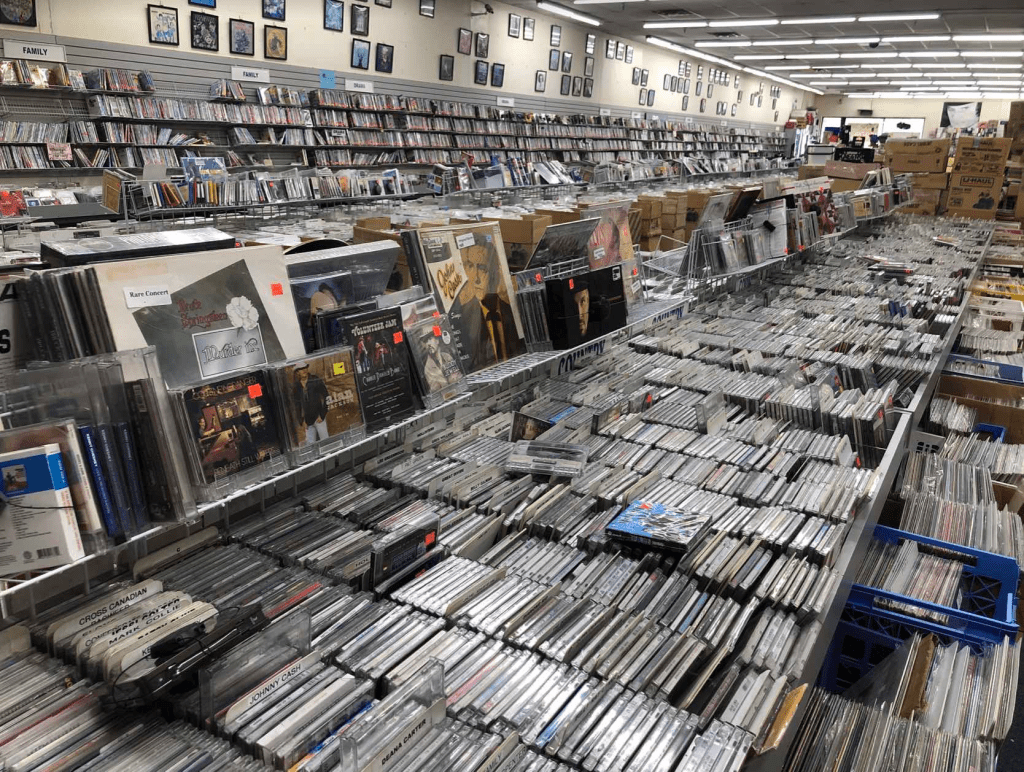
Courtesy of the CD Depot

Will CDs ever truly fade?

Researching the usage of CDs in a generation where everything is done through online services and streaming was an interesting choice, and Rashidi is well aware. His thought process behind this niche area of research was to catch a fast moment as it’s going by. As cars with CD players start to become less and less, CDs may also be used less and less. Rashidi is also aware of the resurgence of the “retro” trends coming back, such as vinyls, therefore, Rashidi believes CDs will never fully go away. There is an important history behind CDs, and there’s always a nostalgic feeling behind it. When this generation was growing up, many of their family members showed them their music via CDs, and people remained so loyal to this medium for that reason. Now, when they see their favorite artists come out with a CD of their new album, they feel as though they must get it for loyalty and nostalgia. Regardless if we are in a digital era, CDs will never fully leave.

Video of Waleed Rashidi Interview

Conversation with Dr. Puente on “Marketing and distribution lessons from Hispanic Hollywood”

By Donya Mirtabatabaie, Una Ahac, Gabby Leon-Acevedo

Dr. Henry Puente, an Associate Professor of Communications, focuses on researching U.S. Latino films, media outlets, and race/ethnicity. With a diverse entertainment background, he brings experience from special events, radio, television, newspaper sales, and film distribution. Puente authored “The Promotion and Distribution of U.S. Latino Films” and contributed to journals and books on media and stereotypes. Originally from Azusa, California, he enjoys traveling extensively across the United States, Latin America, and Europe. Since 2006, Puente has taught courses at CSU Fullerton, held a Ph.D. from the University of Texas at Austin, an MA from U.S.C., and a BA from CSU Fullerton.

Read more…

Q.  What inspired your research for this particular topic in the study?

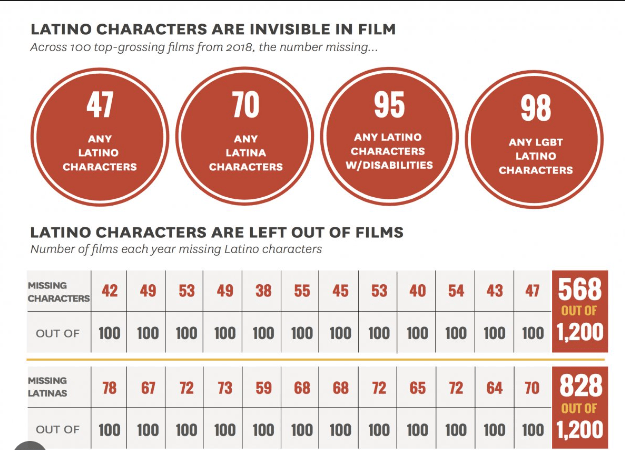
He wrote a dissertation on Hispanic films in media and wanted to write something original. He tried to figure out why there were so few films about the Latino population. If they are a growing population in the US, why aren’t Latino movies more significant and popular? 

Q.  Are there any personal connections to this study, and is there one particular moment you would like to elaborate on?

Aside from his ethnicity drawing him into his study, he used to work in distribution and sales in the film industry, which tied into the study. However, there were not a lot of Latino movies made, so he wanted to highlight why that is and use data to show what that looked like as well.

Q.  Were there any facts or elements in the study that were different than you had initially thought before going into this study? What were some challenges when conducting the research for this study?

What surprised me when going about it was research because he had already come from the film industry, so he knew what he was getting into. However, he found the people he spoke to bitter because some of the people he talked to who worked on these films were expecting to have more work moving forward in their careers and didn’t. People felt disillusioned because they worked on the big movies and were left out of work. He had already lived it, lived in the world of cinema. There were lots of challenges trying to find the people who worked on the movies; there was no contact information and not too much social media to go from either; he felt he was a detective at times, trying to get the people to talk to him was challenging, trying to get them to be honest with him was difficult. Most people he spoke to were bitter, upset, and unhappy.

Q.  Several years from now, would you want to approach this study again and see if there could have been any changes in the data?

He would not want to do this study again; however, he was approached recently about doing a similar study with DC’s newest film, Blue Beetle. He would rather write scripts than write academic stuff. There would be a lot of changes if he were to approach it again; with the element of social media, it would be a lot easier to contact people. Puente says there might be a chance that he will do another study in the same template, but for now, ‘it’s a maybe.’

Q.  How long was the study conducted/How long did it take to finish?

“It didn’t take me that long.” While gathering research was a hassle, writing the study was a simple manner. It took Puente three weeks or less to finish writing the whole article. Now, gathering the evidence, that was otherwise. It took about a year and a half to finish gathering research for this particular article that took three weeks to write. The meaning as to why it took so long was due to dead ends and sources not wanting to talk about the manner at hand. It was understandable as the film industry is huge and comes with its own aftermath talking about a particular subject as to this study.

 Q.  Did you receive any help conducting the study, or did you do everything yourself?

Puente had the upper hand in gathering research since he worked in the film industry during the time of his article. As I said in the earlier section, it did take a year and a half to finally gather evidence due to dead ends, but Puente would ask around his co-workers, gather numbers, and even text for an interview. This would, at times, lead to nowhere, and even some of the phone numbers would be fake, but in the end, he was finally able to contact his sources and gather some information as some were careful about what they would say considering their contract with the production. Now, writing the article, that was all puente.

Q.  How did you feel emotionally when conducting the study? Were you passionate, angry, happy, or anxious?

“Not happy, mix of frustration just trying to talk to people, excitement when having a person wanting to talk.” This is what Puente said when asked about his emotions during the time of his article. It made sense as nobody wants to be shut down from their project or, in this case, study. His case had ups and downs, but in the end, Puente was able to rise to the top and write the article “Marketing and Distribution Lessons from Hispanic Hollywood.

Q.  What made you choose the research methods you went with?

While Puente voiced that qualitative research was very difficult, when asked why he chose it over other methods, he said that it was the best method for what he was trying to accomplish in his study. He also mentioned that quantitative research is not his strong suit and that it would not have worked anyway. 

Q.  What advice would you give someone interested in pursuing a similar research study? 

When asked if there was anything he wished he had known prior to conducting his research, Puente had a few suggestions. The first thing he mentioned was IRBs (Institutional Review Boards). An IRB is a group of people responsible for ensuring that research involving humans is conducted in an ethical and safe manner. Puente highlights that it was a complicated process to get IRBs approved. He also talked about how doing qualitative research was a very difficult process. For his study, he had to transcribe all the answers of his interviewees, which he notes was a very long process. 

We also asked Puente if he had any advice for those looking to do similar qualitative research. His most significant piece of advice was to “ask good questions and try to keep people on task.” He mentions how those being interviewed can often go off on tangents and get off-topic. He also added that if they do go off on tangents, to only transcribe the portions where they are answering questions. When it comes to the questions asked, he also mentioned that a good question is very important and also challenging. He says questions should not be too specific or too broad. 

Q.  Were there any notable differences in opinions, beliefs, or attitudes among participants or subgroups in your study

Puente noted that among those he interviewed for his research, there were a couple of different attitudes people had toward the subject. Some were extremely excited to speak on the project they had worked on and were proud. On the other hand, there were others who were more upset. They had expected to gain careers and new opportunities from working on the movies they had taken part in and were disillusioned that it did not work out the way they had expected. 

chart from Dr. Puente’s study “Marketing and distribution lessons from Hispanic Hollywood

View our full interview with Dr. Puente below.

Interview with Mark Guohua Wu


By: Brandon Caudill, Tyler Quach, Everardo Serrato & Jericho Tiojanco

Mark Wu, California State University, Fullerton


Mark Wu is a presitgous professor at California State University, Fullerton. He has been conducting his own research and teaching at many prestigous universities all over the world for over 20 years now. He also worked for many Fortune 500 companies across the globe. Professor Wu research focuses more on the Advertising side, winning many awards along the way. With all of his accollades and credibility we felt like he was the perfect person for our group to interview.

We had the privilege to interview Professor Mark Wu on October 25, 2023. We discussed about a variety of topics in terms of research. We started off with a basic question on ways to conduct research and asked him about his opinions on certain topics regarding research. All of us being Advertising Majors as well we were interested in his research that involved social media and how it can be used to advertise products to the consumers of today.

What we wanted to focus on was Professor Wu’s research in regards to Social Media. Bringing up some of his older works like “Traits, Predictors, and Consequences of Facebook Self-Presentation”. We wanted to know how that research would apply in todays social media platforms such as TikTok, Instagram & many others. We were also curious on his thought on AI technology and how it can be used in research today as well. These questions helped us learn more about how to do research and also learn about how research may be conducted in the near future.

Read More: Interview with Mark Guohua Wu

Best Way to Avoid Bias & Errors

When answering this question Professor Wu helped us learn how we can minimize as many errors as possible in our future research. He brought up how there are multiple different forms of research errors such as administrative error, instrument error and process error. He mentions the fact of how one administers their survey can be the difference between a good amount of error and a few.

Another, tip that Professor Wu gave was for sampling and non-sampling errors. For sampling error that is a fixable, by increasing the sample size or by using probability sample rather than convenience sample. While for non-sampling error it is not as easy. The way to minimize non-sampling errors is to make sure the survey instrument is created correctly. This is because non-sampling cannot be fixed after the fact.

The final point that Professor Wu made that we thought was interesting was when he said, “You cannot avoid errors, the best you can do is minimize.” This opened our eyes on how we will conduct research and also approach errors that we may face.

Does your research in “Traits, Predictors and Consequences of Facebook Self-Presentation” apply to social media today?

The thing that Professor Wu brings up when discussing this specific research is that even thought this research paper is over 10 years old, the findings from this research still apply to many of the social media platforms today. What the research paper mainly focuses on how Facebook affects the way people interact and present themselves on the platform.

The reason the Professor Wu believes this is the case is due to human nature and the way that people interact with social media hasn’t changed. He brings up a phenomenon that is used in media called Echo Chamber. An echo chamber in social media is when a person only encounters ideas that reflect their own. This reinforces their ideas that they had already believed. This keeps people on social media because they like to see things that they agree with. Professor Wu mentions the platforms that partake in this phenomenon such as TikTok and Youtube.

Another, topic that Professor Wu mentions that reflect this belief is that we as people are more influenced by what others do more than we know. This is part of the reason why a majority of people post on social media. They basically want to get gratification and assurance from the content that they are posting on certain platforms.

The final point that he talks about is how we as researchers for advertising are always looking to study human nature and how people think. By doing this it allows for researchers to get a sense or idea of what society may think as well.

Sun, Tao; Wu, Mark (2012). Traits, Predictors and Consequences of Facebook Self-Presentation” Sage Publishing.

Ethics of AI technology use in Research

With AI technology such as Chat GPT becoming more significant and many workplace within the Advertising space starting to use it capabilities, we thought it was appropriate to get Professor Wu’s thoughts on this topic. AI technology has become the latest trend in terms of almost everything. This is due to it seemingly unlimited capabilities and its vast amount of information that is pulled from the internet. Many companies hiring nowadays want people who know how to work with such tools, which is why it is important for us to learn more about the topic now.

One of first points that Professor Wu discusses with us for this question is that with AI technology it allows researchers to get a more personal idea of what consumers may want. This is what companies are looking for, so they can directly target consumers with Advertisements that will most likely fit them. The use of AI technology has potential to be used for great things in research.

The view of ethics that Professor Wu had on the use of AI technology in research is, he thought it depends on how the technology is used. He believes that if the tool is in the correct hands than there is nothing wrong with it. But, when organizations start to use AI as a tool to promote propaganda or political agenda then it starts to be used for wrong purpose. Also, if AI is used to exploit people. This is because the ability to gather information about a person or society in general has become much easier than before with AI.

An Interview with Professor Assaf on the Fundamentals of Communications Research

By Aidan McElhany, Jake Cipres, Ashley Abercrombie, and Fernando Calvillo Alcantar

With the rising popularity of social media platforms such as TikTok, Instagram, and YouTube, many have expressed their concerns about how the excessive use of these platforms will affect our mental health and other aspects of our well-being. In particular, the short-form content present on TikTok and YouTube Shorts has been criticized for its potential negative effects on users’ attention spans. Our research study aims to find a correlation between the use of social media platforms and its influence on the attention spans of media users. The study will examine two variables in regard to social media usage. The first is which social media platforms are most widely used. The second is how much time media users spend on each platform on a daily, weekly, and monthly basis. Additionally, the study will examine signs of a shorter attention span, such as restlessness, inability to focus for long periods of time, etc. The data will be gathered through a convenience sample survey consisting of students at California State University, Fullerton.

Continue reading “An Interview with Professor Assaf on the Fundamentals of Communications Research”

Interview with Dr. Frank Russell on Twitter and News Gatekeeping

By: Elizabeth Nunn, Katie Alves, Lucy Karyagina, and Paola Madrigal

Frank Russell, courtesy of CSUF

Our group was given the privilege of speaking with Dr. Frank Russell surrounding his published research work “Twitter and News Gatekeeping: Interactivity, reciprocity, and promotion in news organizations’ tweets.” Frank Russell is a journalism associate professor in the Department of Communications at California State University, Fullerton. He earned his Ph.D. in journalism while at the University of Missouri, along with a Center for the Digital Globe graduate certificate. His previous jobs have included editor, reporter, and more while working for the San Jose Mercury News, The Seattle Times, Puget Sound Business Journal, and the Los Angeles Daily News. Russell now teaches classes on News Literacy, Digital News Reporting and Writing, Editing and Design, and Principles and History of American Mass Communications. We sat down with him to ask about his process while completing this Twitter-focused research on journalism, what he would do differently, and his overall thoughts.

Read more: Interview with Dr. Frank Russell on Twitter and News Gatekeeping

We are most interested in Professor Rusell’s study titled “Twitter and News Gatekeeping: Interactivity, reciprocity, and promotion in news organizations’ tweets” precisely because it is in the same realm as what our group is interested in doing for our own research.

Q: What was your inspiration for this study? 

There were a few things that inspired Professor Russell to create this study. But the main reason is that Professor Russell had the question of how were the biggest companies in media using Twitter. As a journalist himself, understanding the use of a platform and if it will grow into something more is something important to him and other journalists. Back in 2013, Professor Russell and his colleagues found themselves starting this study during a political crisis. They were interested in seeing where it takes them during such a distressful time and how it will benefit them. 

Q: What were some of the biggest challenges and limitations you faced when conducting your research?

Jokingly, Professor Russell shared with us his lack of being a “Super Computer” as his biggest challenge. Completing a study like this, where he is trying to understand the uses of social media and what can come from it, can be very extensive. And with a lack of resources, that can heighten the issues significantly. We can understand how much of an effect that would have on a study, considering it revolves around how Twitter is used in journalism. Not having enough resources to access Twitter can slow the process down.  Everyone could benefit from having their own “Super Computer.”

Q: When conducting this research study, did you prefer a quantitative or qualitative analysis method?

Professor Russell does both quantitative and qualitative when doing his research. The quantitative work he does is typically content analysis, which is what he did for this research study. He also uses discourse analysis, which he defined as “looking at what people say or write and trying to figure out things about a phenomenon based on what people [who] are part of it say or write.” When conducting his research, Professor Russell looked into the relationship between journalism as a social institution and Silicon Valley platforms as a social institution.

Q: How did you prepare for the study? Did you take any steps beforehand, gather any sources, etc.?

When preparing for this study, Professor Russell hired two master’s students to work as coders, whom he also acknowledged in the research. He also took the time to do an extensive literature review beforehand. In preparation for the study, he decided to go about it based on what he had learned in research method classes he had previously done. He even took a class in quantitative content analysis, where he ended up doing a different study related to Twitter as well.

Q: After you concluded your research, did you see any flaws with the reciprocal journalism model?

Professor Russell shared with our group that he didn’t see any flaws with the reciprocal journalism model. He then went on to say that the reciprocal journalism model had not been adopted at the organizational level while adding that there was evidence showing that individual journalists using Twitter were using this reciprocal model. Russell defined the idea to us as “journalists and audience members… interact with each other with reciprocity, or with respecting each other as equals, whereas organizations were taking kind of a broadcast mode.” He further explained that these organizations using Twitter were mainly trying to get clicks and interactions as opposed to using it as a unique platform for storytelling. Russell left us with one last thought: because of how much Twitter has changed since his study was completed, he is unsure if the platform as a whole, will be available for individual journalists anymore.

Holcomb, Jesse, Jeffrey Gottfried, and Amy Mitchell. 2013. “News Use Across Social Media
Platforms.” Pew Research Journalism Project, November 14. http://www.journalism.
org/2013/11/14/news-use-across-social-media-platforms/.

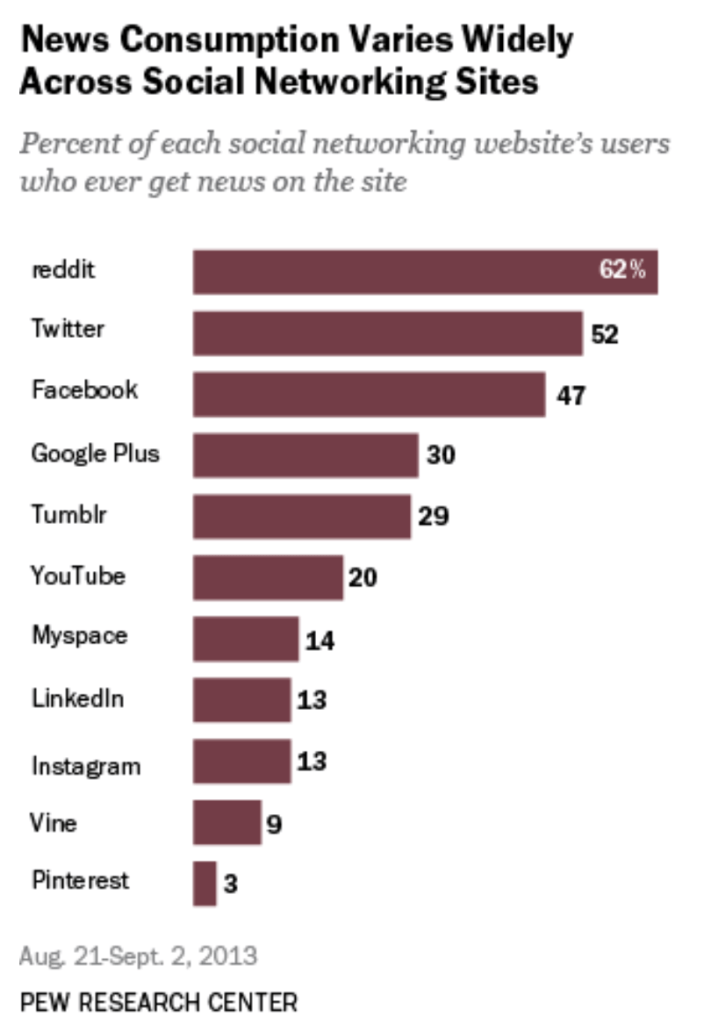
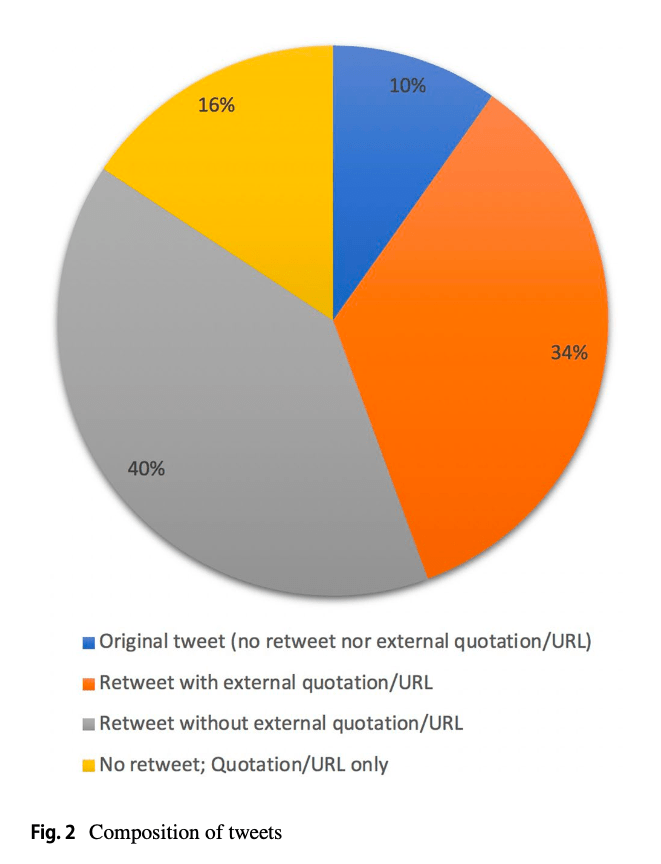
Professor Rusell refers back to this image and research because, as one may notice, Twitter is the second most used social media network. This information proves that the reason why most news organizations were using Twitter is because they just wanted to get clicks and interactions. It is also important to note that about half of Twitter users view the platform as a news source, which makes them less likely to turn to traditional media for news.

Q: Would you have done anything differently if you did it all over again?

Professor Russell explains that if given the opportunity to do it all over again, he would not do anything differently. This is because he was able to answer his own questions effectively in the way he conducted the study. It is also important to note that this type of research study, using Twitter could not be done again due to new Twitter guidelines with Elon Musk’s takeover. He also expressed that this research study, in particular, was the easiest to get published, so there would be no need to change anything. 

To summarize, after talking to Professor Russell about his past studies and the journey he took to complete them, we felt as though we had a much better understanding of the kind of process it takes to create a research project and how much time and effort is genuinely involved. It was wonderful getting to speak to someone such as Russell, who has completed many different projects during his career, and we are grateful that he was willing to open up to us about it. He helped guide us into a direction we should go for our own research project and left us with some insight to think about. While his research was a unique project that could not be replicated anymore, it inspired us to make our own research project surrounding social media in a new way, different than what it used to be. Our interview with Russell will continue to inspire us to learn more about the research process. 

Interview with Professor Russell

Dr. Ricardo Valencia

By: Jordan Ayala, Kevin Garcia, Nathan Torres


Dr. Ricardo Valencia is a Communications professor at Cal State University Fullerton. More specifically he is an Assistant Professor for the Public Relation emphasis. He has been teaching since 2018 and aspires to change his Assistant Professor title to Associate Professor within this year. He received his doctorate degree from the University of Oregon in 2018. Before that between 2010 and 2014 he was the head of communication section at the Embassy of El Salvador to the United States. He also notably had a background as a reporter and covered international and domestic politics. He now teaches a variety of different classes in Communications Department one of them being Mass Media and Diversity. A class that focuses on the representations of marginalized groups in mass media and pop culture.

Read more: Dr. Ricardo Valencia

Description of Dr. Valencia’s study: In Dr. Valencia’s and Moscato (Co-author) study they utilized theories of framing and mediated public diplomacy to as means to influencing the perceptions of nations within public diplomacy. Using a social media content analysis to examine twitter activity; the study assesses the growing role of public audiences and their participation in “Twiplomacy”.

Twiplomacy

Stock image from Pexels


“What was your inspiration for your study?”

“This paper started when I was a PHD student in Oregon. I wanted to find with my co-author how history shapes the perception of people on Twitter. We tend to think that with the transformations of media and with the perceptions and representations of media, it changes rapididly. But I believe it could be one aspect. But at the same time, representations of media, especially about other countries, remain pretty stable throughout the years. We wanted to know how people in Cuba or people close to the Cuban government, and even people close to the Obama government perceive the opening of relations between Cuba and the United States. What we found is that those historical themes are pretty much similar or based on what happened during the Cold War.”

“What was the research method you used to conduct this study? Was it qualitative or quantitative? Both? How did you decide?”

“I use qualitative and historical methods. In that particular paper, the quantitative method to measuring the type of people who were speaking on Twitter, is mainly descriptive. In a lot of ways, it’s like a census. We were seeing who are the people that are discussing the issues on Twitter. Based on that view, we see a more qualitative approach on the topics that we’re discussing. In this case, it was pretty much quantitative, and we mention that there. But what I tend to do in my other papers is have a quantitative approach just to have an idea and see the phenomenon “

Chart from Dr Valencia’s twitter Research on #ObamainCuba

“What was one major strength and one major weakness of the way you conducted research for this project?”

“I think one of the main things that I was trying with my co-author, who’s Canadian, and I’m Salvadorean, is to see the divide between the United States, beyond just good and bad, and see the historical backgrounds. To see where all the media representation comes from in history. I think that was a strength. Perhaps one of the things I could have improved was understanding how history shaped Obama’s visit to Cuba and understanding how media and public opinion helped make this visit possible. I think a historical analysis with a mixture of media analysis would have been more powerful to have in the article. I think I could have done it. But maybe it would have been a different paper.”


What’s Next?

“In today’s media Landscape, what platform would be interesting in conducting research on?”

“I think I would still use Twitter because it’s the main political arena. I don’t think people really care, but there are some power actors who are always on Twitter. I might go to perhaps to TikTok. That is another powerful platform. But we have been focused, as scholars of strategic communication, is that instead of understanding the general population, I am more focused on powerful actors. I want to see where and understand and especially on TikTok, to see how some elites are shaping. I would be more focused on elites, institutions, and Politicians to see how the messages have been transferred. I would include TikTok in that because I believe on TikTok, you are able to see a lot of content that you aren’t able to see on Twitter. It is also more accessible as well. We are also able to see different types of influencers as well that we didn’t see in our research who are younger. The young people who are talking about this as well who we don’t see on Twitter. It would have been interesting to see influencers from Cuba and get their perspective on the matter. We were interested in Bilingual research as well and we were very interested in seeing how language defined this trip. It’s interesting how what we refer to as social media, is only a small fraction of the media landscape. A type of media I would or should include in the future is personal messaging, WhatsApp, Facebook Messenger. These are all platforms we didn’t analyze and in a lot of ways these platforms became more powerful with the election of Donald Trump and the election in Brazil. What we didn’t realize is that a lot of media and politics in Latin America are consumed through WhatsApp.

Conclusion

Dr. Ricardo Valencia, spoke on the inspiration for his study on public diplomacy and how the media transforms, he wanted to study the perception of the United States and other countries through social media. Dr. Valencia also explained his methodology for the study, and how he used both qualitative and quantitative methods for his study. Dr. Valencia also explains the strengths and weaknesses from this study and also how he would conduct research in 2023.