The Effects of Social Media on Attention Span

By Arielle Berma, Madeline Gutierrez, Daniel Kim, and Shelby Martin

As one of the most significant aspects of our current culture, social media usage has taken the world by storm. Social media has given us a way to make direct and genuine connections with our interests and other people in any given environment. With the advancements of technology, it has also become easier to use daily, eventually turning into an encaptivating lifestyle that is hard to escape for most of us.
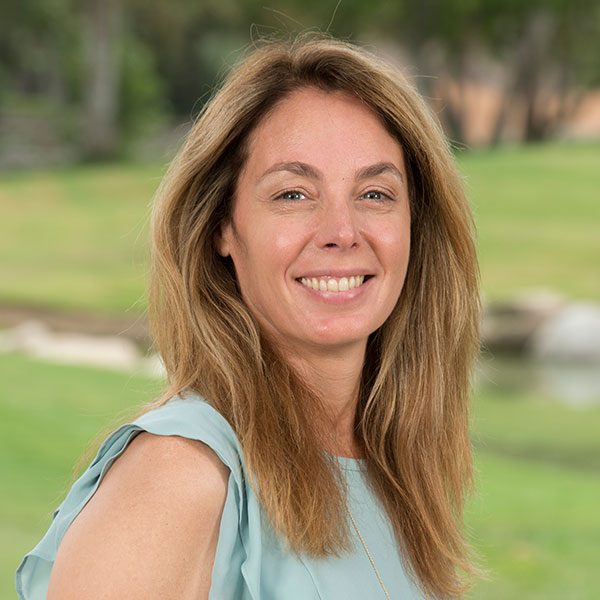
Dr. Cynthia M. King

With that, the focus of this study will be on the effects of social media on one’s attention span. We had the privilege to interview and discuss this topic with Dr. Cynthia King in the interest of gaining more understanding and perspective from someone familiar with the use of media and its effects on those it spans out to.

Continue reading “The Effects of Social Media on Attention Span”
What You See Is What You Perceive

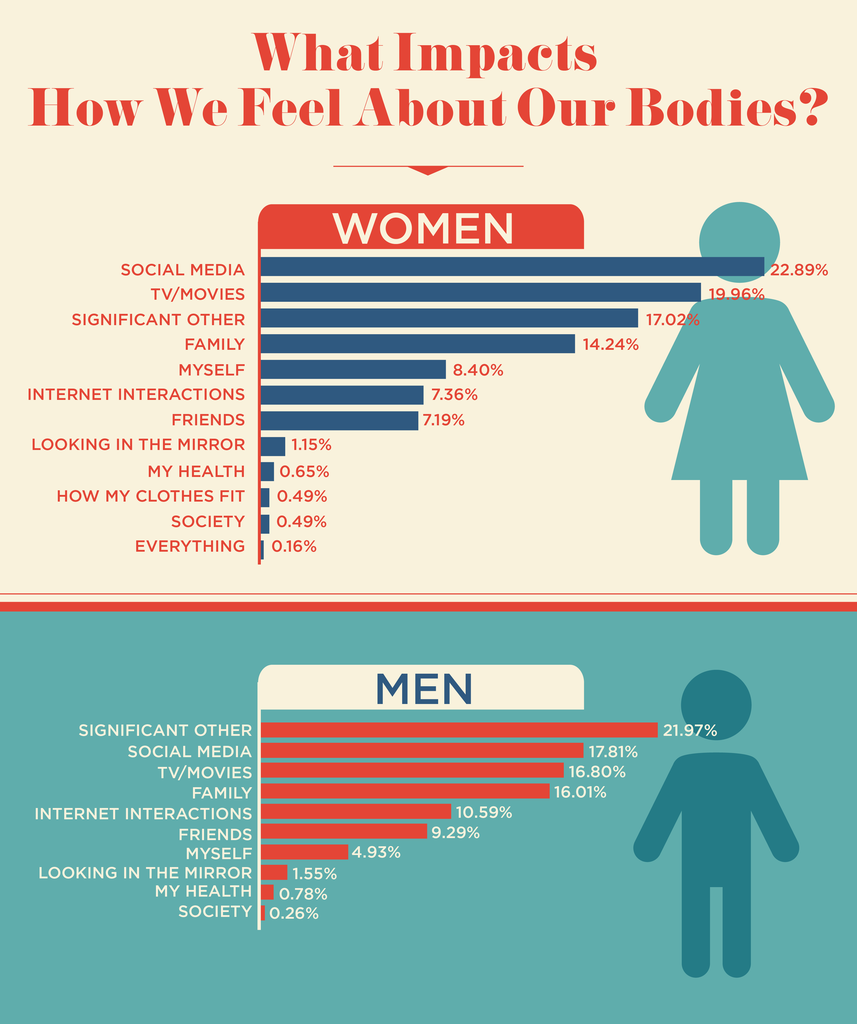
Prior to deciding who we would be interviewing, we needed to choose a research topic related to communication and society. As a group, it was decided on the topic of, “Social Media Effects On Body Image”. In society today, using social media as a way to share our lives with others is the norm. We tend to develop an addiction for social media, which can have a negative or positive effect on our well being. Due to the advancement of technology, many individuals have developed a certain mindset when regarding body image. Varying perceptions on body image and self confidence are inevitable. 

ReAD MoRE

Academic Advising Challenges Before And After COVID-19

Academic advising has always played a very large role in the success of undergraduate and graduate students who attend universities around the world. However, due to the global pandemic, in-person classes and advising had to take a pause, and move to a virtual setting. Zoom became the main source of contact for students and their professors/advisors. Before online advising, advisors would see hundreds of students each semester, helping guide them to a successful semester and down a prosperous road to graduation. During the pandemic, advisors were forced to set up virtual advising sessions but were more limited on time slots, which limited the number of students who received advising during the pandemic. Now, with in-person classes reinstated, advising has followed suit, and many advisors have opened up to the in-person sessions, while still keeping those virtual sessions open for students who are not in person.

Continue reading “Academic Advising Challenges Before And After COVID-19”

Professor Assaf Discusses Social Media and Self-Perception

By Caroline Coykendall & Diana Sierra

We spoke with Professor Elise Anguizola Assaf, who has a background in communications and disability studies. She takes a special interest in mental illness and how it can be portrayed in the media. She provided us with some insight into how social media can both help and harm its users. Social media is one of the most popular forms of online activities. With over 3.6 billion people using it within the last year alone, that number is expected to increase. Since social media has become popular, it is known to cause mental strain on those who actively use it. Apps like Facebook and Instagram are known for the mental damage they can cause to young adults who constantly compare themselves to what they see online. Recently, with the rise in mental health awareness, some of these social media users have even gone as far as using social media as a way to diagnose themselves. They look to apps like TikTok and their “therapy influencers” as a gateway to discover what is wrong with them, expecting a thirty-second video to explain it all.

Continue reading “Professor Assaf Discusses Social Media and Self-Perception”

Interview with Dr. Vega: Making Positive Changes in Advertising

By Gianna Gonzalez, Eddie Landeros, and Clerise Yumul

Background and Experience

Dr. Jess Vega-Centano

For our interview, we met up with Dr. Jess Vega-Centano, an assistant professor at California State University, Fullerton’s College of Communications. Before pursuing a career in teaching, Dr. Vega worked as an account executive and marketing consultant at various companies for over 15 years. After graduating from Boston University with a Bachelor’s in Psychology, she continued to work in retail before going back to school for business. From there, she developed an interest in marketing and began working at various small agencies to build her experience. Dr. Vega took a break from teaching for a few years but came back to it in 2009 when she worked at Miami. Due to her extensive experience in the field, we chose to conduct a personal interview with her regarding advertising and its evolution throughout her career. 

Continue reading “Interview with Dr. Vega: Making Positive Changes in Advertising”

Somewhere between a Rockstar, a researcher and an educator: a look into the world of instructional communications with Dr. Zac Johnson

By Erika Ortiz, Emily Lopez, Stephanie Viramontes, and Cody Sargenti

Dr. Zac Johnson

In an attempt to gain better insight into the world of communications research, we sat down with Dr. Zac Johnson, a professor at California State University, Fullerton who specializes in instructional research and student communication. Johnson has been part of research on student confirmation and the effect having a camera on in a Zoom class has on student learning. Johnson opens up to us about what peaked his interest in this field, what problems are brought into it in a post-COVID era, and how he researches these problems himself.

Continue reading “Somewhere between a Rockstar, a researcher and an educator: a look into the world of instructional communications with Dr. Zac Johnson”

Women in Advertising – Our Interview with Dr. Vega

By Kaleigh Medellin, Miranda Garcia, Ariana Castro, Hannah Ridge

For this assignment, we decided to give our feedback on the interview we had with Dr. Vega. Dr. Vega is a professor at California State University, Fullerton with over 10 years of industry experience. We asked her about women in the advertising industry and her answers left us with a lot to think about. These are our reflections on this interview.

Continue reading “Women in Advertising – Our Interview with Dr. Vega”

Research Interview with Professor Douglas Swanson

By Andy Acosta, Troy Le, Leanna Nguyen, and Mariah Williams

We were given the chance to ask Cal State Fullerton Communications Professor, Douglas J. Swanson,  about his experience conducting his research project World Wide Web Sites and Social Order Within Higher Education Journalism and Mass Communications Programs. Professor Swanson has published numerous book chapters and journal articles and has earned his doctorate at Oklahoma State University. Dr. Swanson focused his research around the content analysis of Websites and how they can establish social order.

Continue reading “Research Interview with Professor Douglas Swanson”

Professor Erickson’s Research Interview

By Brooke McLaughlin, Elizabeth Richards, and Antonio Alfaro

Professor Emily Erickson

For our interview with Professor Emily Erickson we asked her 4 questions relating to her job, past research, current research, and any obstacles she may have had to overcome for her research. We wanted to get the inside scoop to everything were is to know about Comm Law!

Question 1: What research have you done + what are you currently working on?

Emily Erickson teaches communication law here at California State University, Fullerton and after sitting down for an interview with her we discovered just how intense her research experience has been. Since Erickson teaches the law, she also mainly focuses on legal research. Legal research focuses more on looking at previous court opinions and the Supreme Court’s rulings, however, it has also begun to incorporate more social scientific research, which is more like what we have learned about. Erickson further elaborates that you begin legal research with an argument in mind, which is different from social scientific research. That being said she has shared her experience in both types of research and concludes that they may have many differences in the way they are conducted, but with the new adaptation of social scientific practices within legal research, they are able to base their research off more case studies as well as still looking at previous rulings and opinions.

Continue reading “Professor Erickson’s Research Interview”