Gallery

Interview with Professor Ju-Pak: Social Media Advertising

Professor Kuen-Hee Ju-Pak

“Last night, I was looking for a new pair of shoes from Vans, and the next day the Vans’ ad popped up when I was scrolling Instagram,” said Kevin Law, a COMM 410 student. His experience is common to other students in class, and they all have mixed feelings about it. Sometimes the ads help find the best products, and sometimes they are just irrelevant. Social media advertising has become a commonality and a major way for advertisers to reach out for more sales and customers. As many of you may already hear about the term “social media algorithm.” “The social media algorithm is ruled by robots programmed to keep our attention as long as possible, they promote stuff we’d most likely tap, share, or heart – and bury everything else,” according to The Wall Street Journal

Continue reading “Interview with Professor Ju-Pak: Social Media Advertising”


Hand in Hand, Social Media and Word of Mouth Advertising 

Relevance of word of mouth in social media

With the rise of social media, we notice that word of mouth advertising is prevalent in the digital space. Word of mouth advertising refers to relying on personal testament from individual to another. These individuals are the influence that creates desire to purchase in another individual. This form of advertising is one of the most effective forms that has been prominent in the media. We spoke to Professor Peter Evenow, teaching communications at the California State University on this topic. He has worked in the industry for several years and has experienced word of mouth advertising in many industries. 

Continue reading “Hand in Hand, Social Media and Word of Mouth Advertising “

Tik Tok, A New Frontier for Music Discovery

The evolution of technology has influenced how music is consumed; the past three decades have seen the most dramatic change in this aspect, from cassette tapes, CDs, and iPods, to streaming services and social media platforms today. One social media platform that has gained a notable influence in present times is TikTok. The platform allows creators to upload content with original sounds, covers, and rediscovered music in the background of their maximum of three-minute videos. An estimated one billion users can scroll through their personalized feed and discover music and artists through this feature. 

Continue reading “Tik Tok, A New Frontier for Music Discovery”

College Student’s Perception of Social Media News Validity

By Bridget Englebrecht, Cynthia Landa, Gianna Horvath, Crystal Ramirez

Maryanne Shults is a professor here at Cal State Fullerton in the communications department. She teaches many classes regarding the importance of media literacy and journalism. She is also a freelance journalist currently working with local fire authorities to update people in the surrounding areas about nearby fires through social media. Her experience working in journalism helps her give her students a better understanding of what it means to be an effective communicator and help build their media literacy skills. 

“Fake News” is a term that has been used in recent years in regards to the spread of misinformation through media. “Fake News” has been a hot topic as it concerns all media consumers and the trust citizens have in the news they receive. Besides mainstream media outlets, social media is also a major contributor to the spread of misinformation. Posters on social media are not held to the same journalistic standards as major news outlets and can post whatever they want regardless of the facts. College students are known for being some of the biggest consumers of social media and spend much of their free time scrolling through different sites. Unsurprisingly, most of the news they receive comes from social media as well. Rates of misinformation online have likely never been higher due to the COVID 19 pandemic and the political unease of recent times. Our study aims to evaluate how trusting college students are of the information they receive online in regards to current affairs. We interviewed professor Maryanne Shults about how social media influences college students’ perceptions of the news they receive.

Continue reading “College Student’s Perception of Social Media News Validity”

The Effects of Social Media on Attention Span

By Arielle Berma, Madeline Gutierrez, Daniel Kim, and Shelby Martin

As one of the most significant aspects of our current culture, social media usage has taken the world by storm. Social media has given us a way to make direct and genuine connections with our interests and other people in any given environment. With the advancements of technology, it has also become easier to use daily, eventually turning into an encaptivating lifestyle that is hard to escape for most of us.

Dr. Cynthia M. King

With that, the focus of this study will be on the effects of social media on one’s attention span. We had the privilege to interview and discuss this topic with Dr. Cynthia King in the interest of gaining more understanding and perspective from someone familiar with the use of media and its effects on those it spans out to.

Continue reading “The Effects of Social Media on Attention Span”

What You See Is What You Perceive

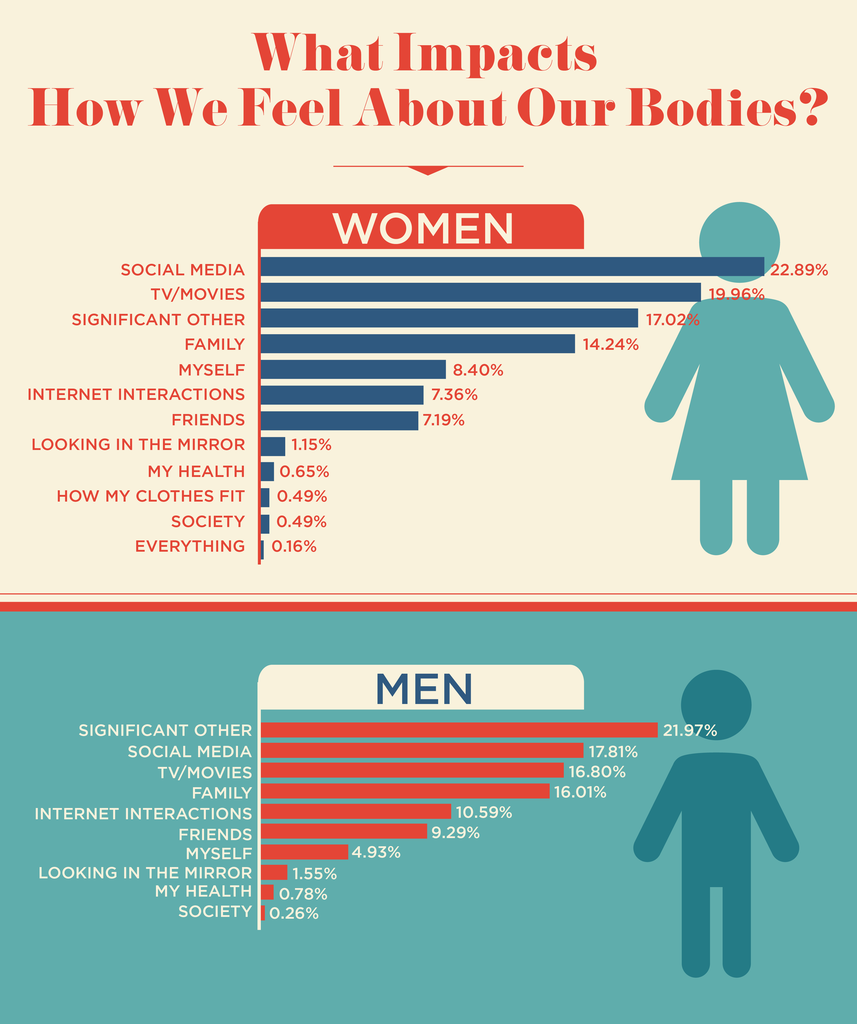
Prior to deciding who we would be interviewing, we needed to choose a research topic related to communication and society. As a group, it was decided on the topic of, “Social Media Effects On Body Image”. In society today, using social media as a way to share our lives with others is the norm. We tend to develop an addiction for social media, which can have a negative or positive effect on our well being. Due to the advancement of technology, many individuals have developed a certain mindset when regarding body image. Varying perceptions on body image and self confidence are inevitable. 

ReAD MoRE

Academic Advising Challenges Before And After COVID-19

Academic advising has always played a very large role in the success of undergraduate and graduate students who attend universities around the world. However, due to the global pandemic, in-person classes and advising had to take a pause, and move to a virtual setting. Zoom became the main source of contact for students and their professors/advisors. Before online advising, advisors would see hundreds of students each semester, helping guide them to a successful semester and down a prosperous road to graduation. During the pandemic, advisors were forced to set up virtual advising sessions but were more limited on time slots, which limited the number of students who received advising during the pandemic. Now, with in-person classes reinstated, advising has followed suit, and many advisors have opened up to the in-person sessions, while still keeping those virtual sessions open for students who are not in person.

Continue reading “Academic Advising Challenges Before And After COVID-19”

Professor Assaf Discusses Social Media and Self-Perception

By Caroline Coykendall & Diana Sierra

We spoke with Professor Elise Anguizola Assaf, who has a background in communications and disability studies. She takes a special interest in mental illness and how it can be portrayed in the media. She provided us with some insight into how social media can both help and harm its users. Social media is one of the most popular forms of online activities. With over 3.6 billion people using it within the last year alone, that number is expected to increase. Since social media has become popular, it is known to cause mental strain on those who actively use it. Apps like Facebook and Instagram are known for the mental damage they can cause to young adults who constantly compare themselves to what they see online. Recently, with the rise in mental health awareness, some of these social media users have even gone as far as using social media as a way to diagnose themselves. They look to apps like TikTok and their “therapy influencers” as a gateway to discover what is wrong with them, expecting a thirty-second video to explain it all.

Continue reading “Professor Assaf Discusses Social Media and Self-Perception”

Interview with Dr. Vega: Making Positive Changes in Advertising

By Gianna Gonzalez, Eddie Landeros, and Clerise Yumul

Background and Experience

Dr. Jess Vega-Centano

For our interview, we met up with Dr. Jess Vega-Centano, an assistant professor at California State University, Fullerton’s College of Communications. Before pursuing a career in teaching, Dr. Vega worked as an account executive and marketing consultant at various companies for over 15 years. After graduating from Boston University with a Bachelor’s in Psychology, she continued to work in retail before going back to school for business. From there, she developed an interest in marketing and began working at various small agencies to build her experience. Dr. Vega took a break from teaching for a few years but came back to it in 2009 when she worked at Miami. Due to her extensive experience in the field, we chose to conduct a personal interview with her regarding advertising and its evolution throughout her career. 

Continue reading “Interview with Dr. Vega: Making Positive Changes in Advertising”